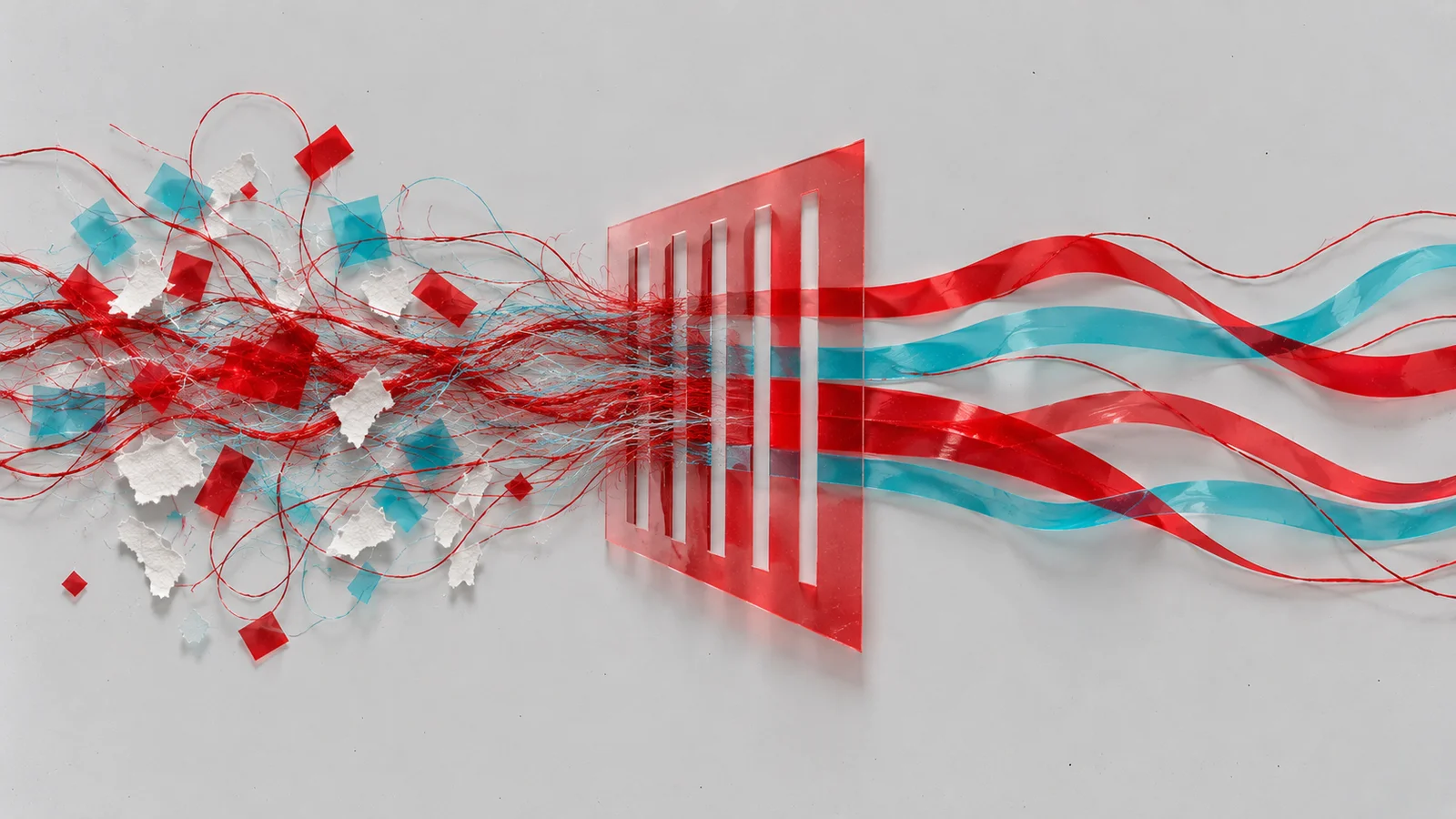
Press play below. A singer, a big hall, and right now the singer sounds like they're standing at the back of it, half swallowed by the room. You want the voice to sound big. Reverb is the obvious tool. So why does adding it so often push the voice away from you instead?
Before you touch anything: if you turn the Mix down, will the hall get smaller, or will the singer walk towards you?
Can you bring the singer to the front of the hall without making the hall any smaller?
A big hall, a close voice
Lead Vocal: Vienna Ditto, CC BY
The room tells you where you're standing
Turn the Mix down and the singer comes closer, but the hall doesn't shrink. Its tail still lasts as long. What changed is the balance between two things your ear always separates: the direct sound, which travels straight from the singer to you, and the reverberant sound, everything that bounced off walls, floor and ceiling first.
In a real hall, the direct sound gets weaker the farther you are from the singer, while the room's wash stays about the same everywhere. So your brain has learned a simple rule: lots of room compared with voice means far away. A reverb's Mix control plays straight into that rule. Turn it up and you aren't building a bigger hall; you're walking backwards through it.
What a reverb is made of
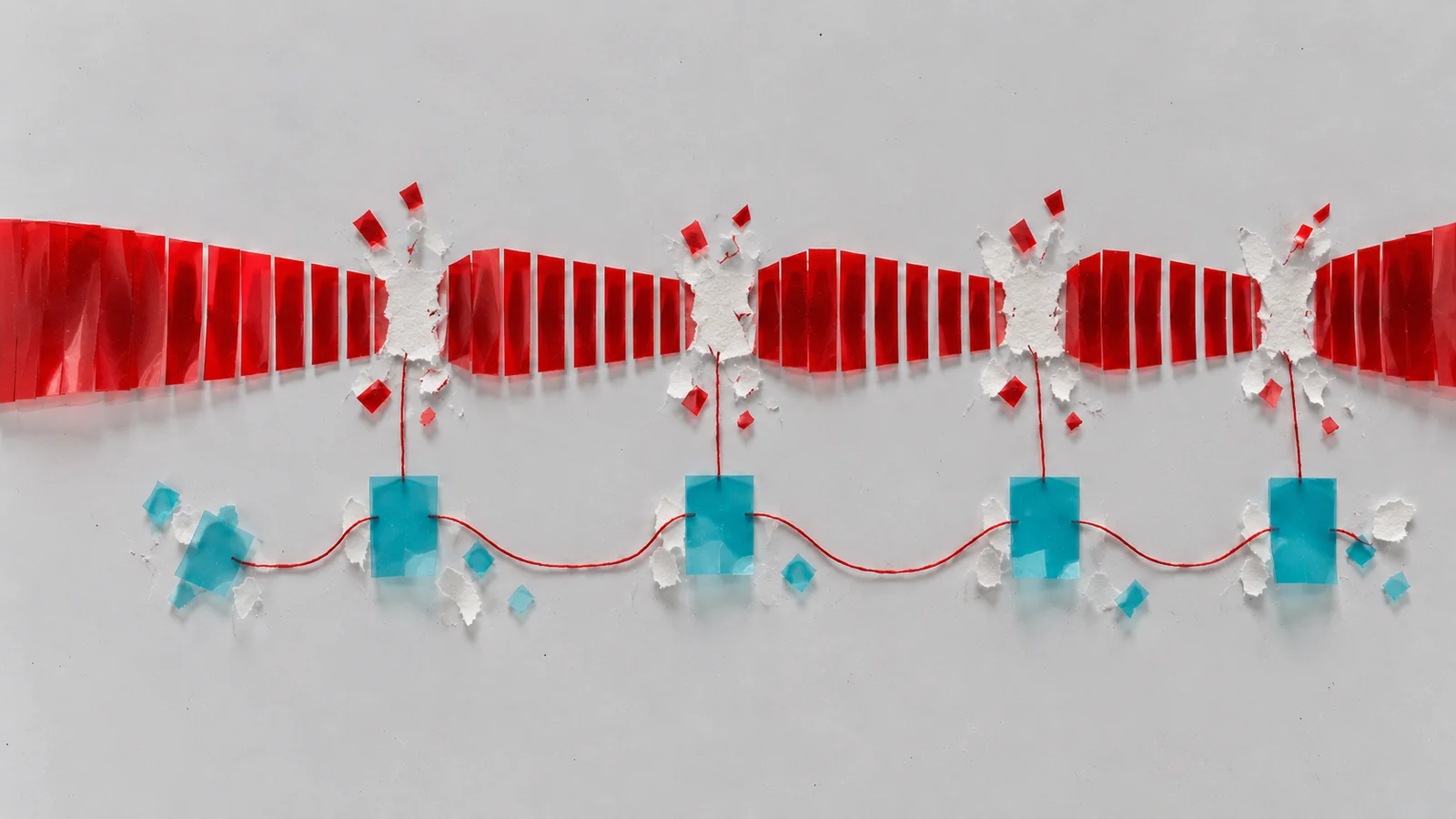
Every reverb, real or artificial, arrives in the same three parts. First the direct sound. Then a handful of early reflections, the first bounces, distinct enough that they tell your ear how big the space is and how far the walls are. Then the tail, thousands of reflections piled so densely they become a smooth, fading wash.
Direct sound, gap, room
The gap at the start of that picture is the trick most producers reach for when a vocal needs to be both close and grand.
Pre-delay: let the singer speak first
Pre-delay holds the reverb back for a few tens of milliseconds after the dry sound. It's too short to hear as an echo. What you do hear is the start of each word, the consonant and the attack, arriving clean and unclouded before the room blooms behind it.
Go back to the lab. Leave Mix and Size alone and raise Pre-Delay to somewhere between 40 and 80 ms. Listen to the first consonant of each line. The voice gets sharper and nearer, yet the hall is still there, maybe even more obvious, because now you hear it as a separate thing behind the singer instead of fog around them.
Push it past about 100 ms and the trick turns into a slapback: you start to hear the room as its own echo. On a slow ballad that can be lovely. On a fast rap verse it trips over the next syllable.
Size, decay and the classic spaces
Size in this lab rebuilds the room itself: a bigger space with farther walls and a longer tail. In other reverbs you'll often see Decay (or RT60), which is how long the tail takes to fade away. Both shape what kind of space you're in. Neither, by itself, decides how far away the singer is.
That's why decades of records could use a big, bright reverb on a voice that still sounds intimate. The sounds behind them have names worth knowing:
- Plate. A large sheet of steel hung in a frame, with a speaker driving it and pickups listening. Studios used the EMT plate from the late 1950s onward, and its smooth, dense, slightly glassy tail is still a favourite on vocals and snares. Plates have almost no early reflections, which is part of why they sit behind a voice without pushing it back.
- Chamber. A real tiled or concrete room with a speaker and a microphone in it. Many classic studios had one, and its warm, natural decay is all over mid-century pop.
- Spring. A couple of coiled springs in a box, built into guitar amps for decades. It boings and splashes, and dub engineers turned that splash into an instrument.
- Hall and room. Simulations of real spaces, from a small dry room that only thickens a sound to a hall that floats it.
Switch the Impulse Response in the lab between Hall, Plate and Room, keeping Mix and Pre-Delay where you set them. The voice stays roughly where it was. The character of the space changes around it.
Where a beautiful room turns to mud
Reverb on a voice forgives a lot. Reverb on drums doesn't. Every hit sends a tail, and if the tail lasts longer than the gap until the next hit, the groove fills up with wash until you can't hear where the beats are.
How short does the tail have to be before the groove comes back, and what does cutting its lows do?
Drums in a long room
Drums and Cymbals: Steve Combs, CC BY
Two moves fix most of it. First, shorten the Decay until you can hear the space between hits again. The problem is usually too much time, not too much reverb. Second, raise Tail low cut. The kick and toms send their weight into the room, and a big low tail is the boom that makes mixes muddy. Cut it below a few hundred hertz and the kick tightens up while the room still sounds like a room, because most of what tells you "space" lives higher up.
The 1980s found a third answer: let the room be huge and then chop the tail off with a gate. That's the explosive, abruptly silenced drum sound of Phil Collins' "In the Air Tonight". It works for the same reason the fixes above do: you get the size of the space without the wash filling every gap.
Same idea, different place: a synth note with a long release and a note in a long reverb both overlap the next note. Envelopes shows the first kind, which belongs to the instrument. A reverb tail belongs to the room, so it smears everything that goes in, not only the notes you meant.
Make it yours
Take the hall from the first lab and make two versions of the same voice. In the first, the singer is in your ear with the hall glowing behind them: modest Mix, 40 to 80 ms of Pre-Delay. In the second, they're deliberately far away, as if heard from the back of the room: more Mix, no Pre-Delay. Then try both on your own vocal or a keys part.
The close version is the one you'll use again and again, so save it as your vocal hall. When a chorus needs to feel bigger next time, you'll reach for Size and pre-delay before you reach for more Mix.
Quick check
- You raise the Mix and the vocal feels smaller and farther away. Did the room get smaller? No. The room stayed the same; the balance tipped towards it, and your ear reads lots of room and little voice as distance. If you want it big but close, lower the Mix and add pre-delay or Size instead.
- A slow vocal ballad sounds washed out, but you love the length of the tail. What do you try first? Pre-delay, around 50 to 80 ms. It lets each word land clean before the room arrives, so you keep the long tail. Cutting the decay would also clear it, but you'd lose the thing you liked.
- The drum bus sounds boomy since you added a room. Should you EQ the kick? Probably not. The kick was fine before the reverb. Cut the lows of the reverb tail instead, so the kick keeps its weight and only the room gets lighter.
Next steps
- Go deeper: Chorus, flanger and phaser. Some reverbs gently wobble their internal delays so the tail never rings like metal. What happens if you wobble one short delay on purpose?
- Use it: Depth and space in a mix. Place several instruments at different distances in one shared room.