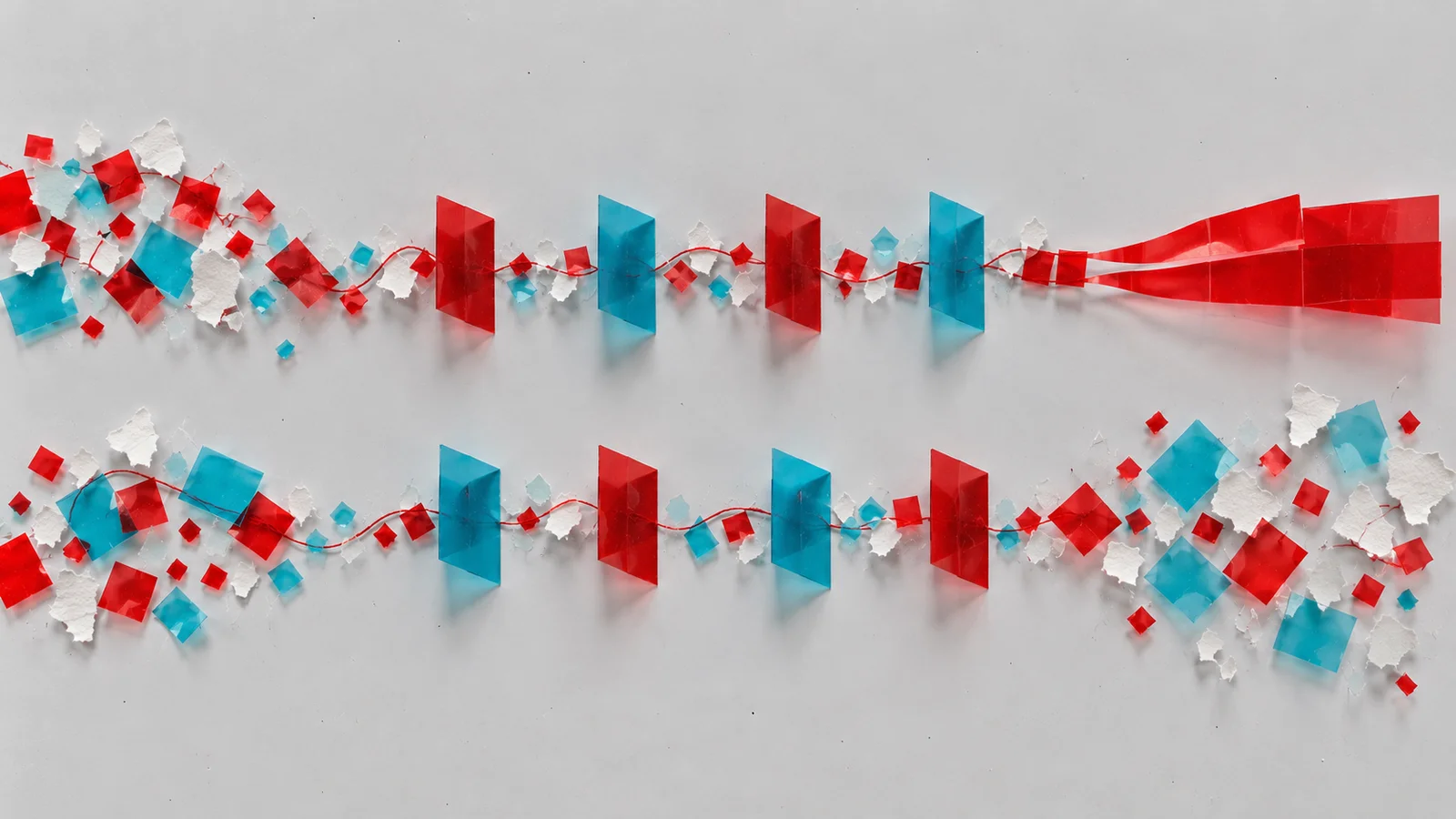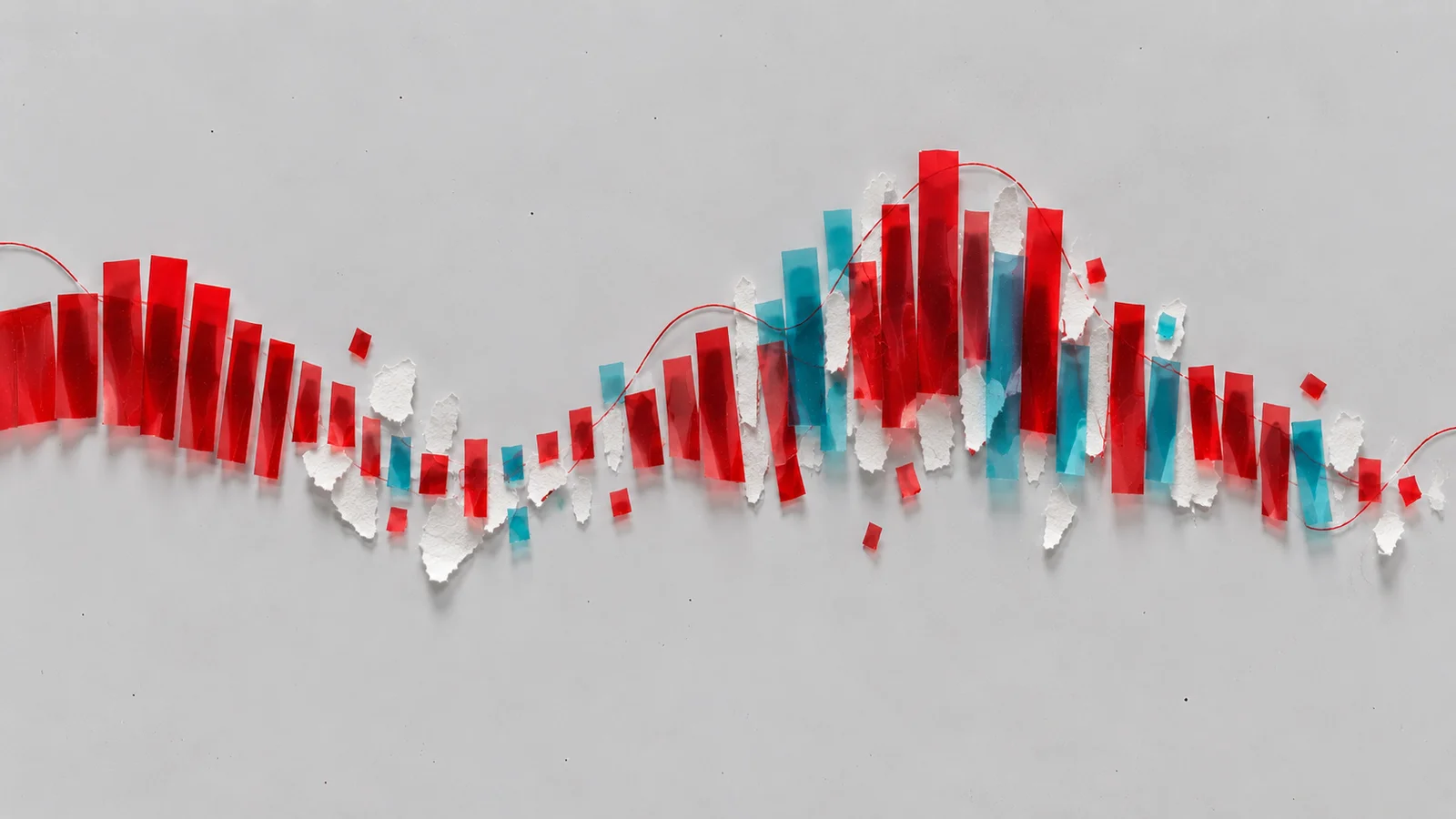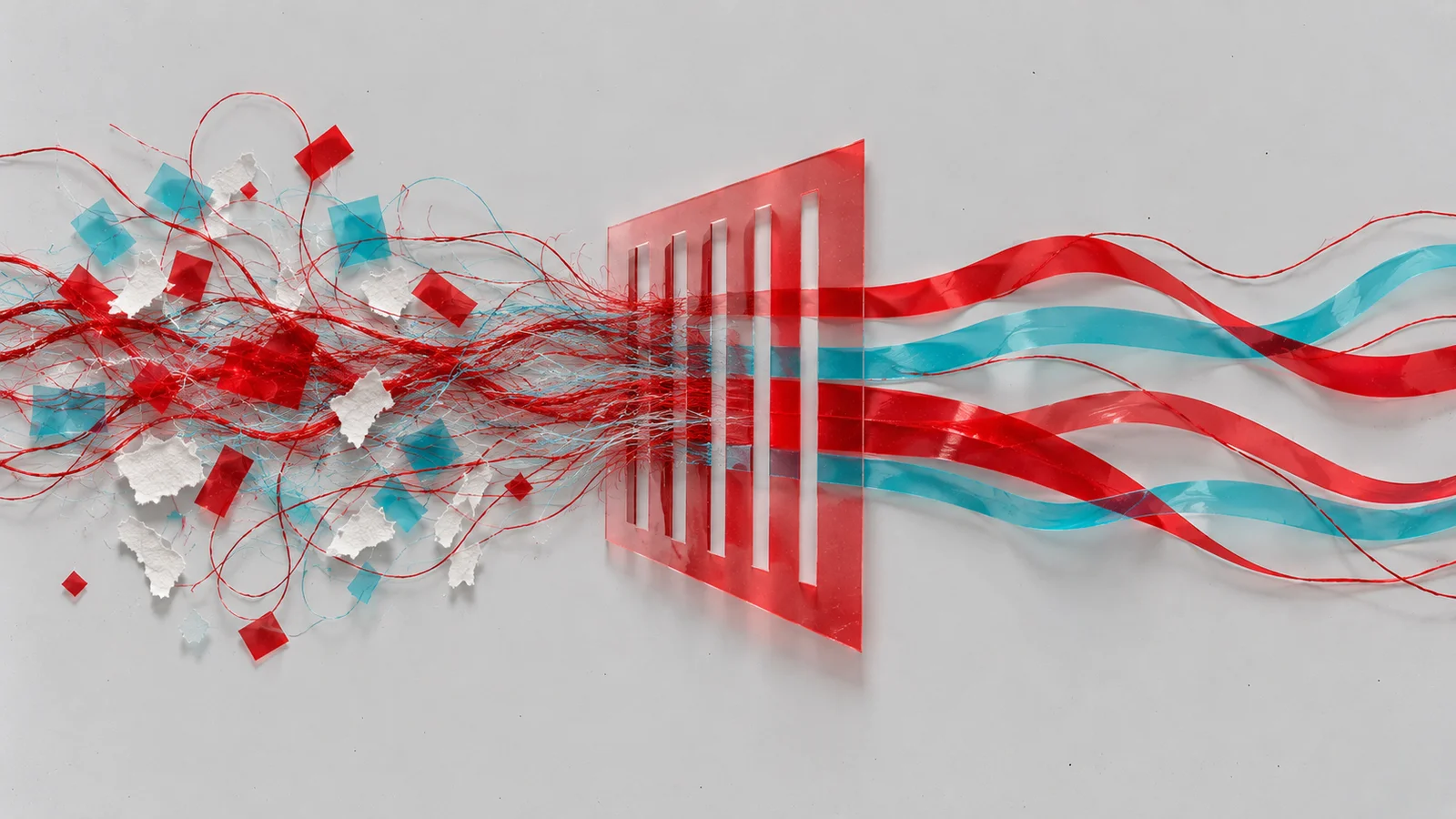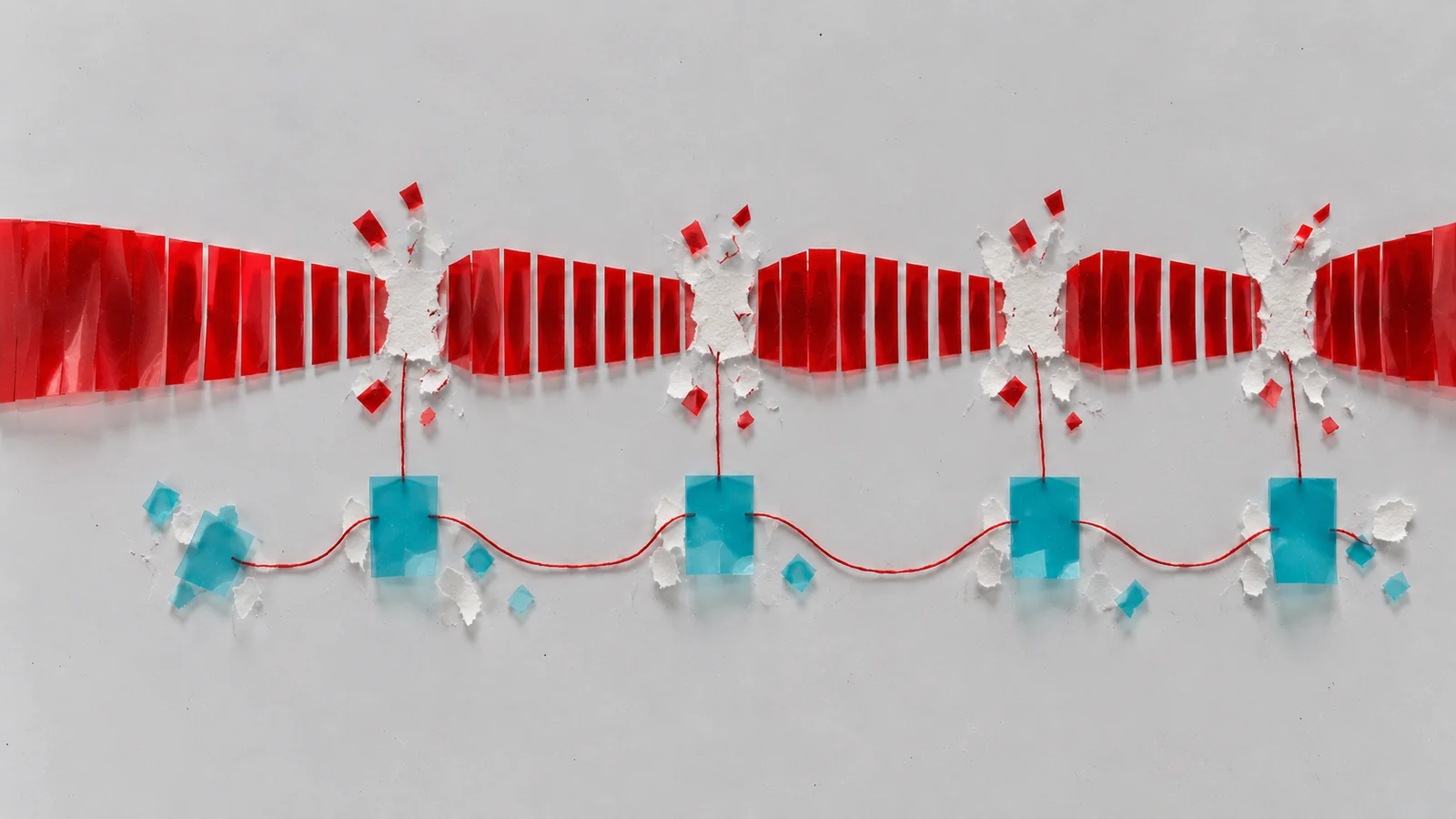
Here's a drum groove through a compressor. Press a sound, then flip between Dry and Compressor a few times. Most people hear the compressed version as bigger: fatter snare, more room, more energy.
A compressor only ever turns sound down. So how did turning things down make the drums bigger? Make a guess. Then press Match and compare again with the levels equal. Is it still bigger, or was some of that only volume?
With the levels matched, what is left of the difference? Listen to the space between the hits.
Bigger, or just louder?
Drums and Cymbals: Steve Combs, CC BY
Some of the "bigger" is loudness, and matching levels strips that away. What's left is the real effect, and it's in the quiet parts: the ring of the snare, the room around the kit, the ghost notes between the backbeats. They've come forward.
Turning down is the first half of the trick
A compressor is an automatic hand on a fader. It listens to the sound and, whenever it gets louder than a level you choose, turns it down. The loud hits get pulled back. The quiet stuff between them is left alone.
Then you turn the whole thing back up with makeup gain. The hits come back to roughly where they were, but everything quiet comes up with them. The gap between loud and quiet has shrunk. The drums' sustain, their room and their detail are now closer to the hits, so the kit sounds dense, energetic and big.
Compression reduces contrast. What you do with the space it frees is up to you.
Threshold and ratio: when and how much
Threshold is the level where the turning-down starts. Ratio is how hard it turns down above that level. At 4:1, for every 4 dB the sound goes over the threshold, only 1 dB comes out.
A 4:1 compressor
A worked example, in the ideal case:
| Hit | In | Above threshold (−18 dB) | Out at 4:1 | After +6 dB makeup |
|---|---|---|---|---|
| Loud snare | −6 dB | 12 dB | −15 dB | −9 dB |
| Ghost note | −30 dB | (below) | −30 dB | −24 dB |
Before compression, the snare was 24 dB louder than the ghost note. After, it's 15 dB louder. That 9 dB of contrast you removed is why the ghost notes suddenly seem to matter. Real hits are shorter than the compressor's reaction time, so they won't land exactly on these numbers, but the direction is right.
In the lab, lower Threshold until you can hear the hits being pulled back, then try ratios from 2:1 (gentle, a bit of glue) to 10:1 (obvious, squashed).
Attack shapes the punch
Attack is how quickly the compressor clamps down once the sound crosses the threshold. It's the most musical control on the box, because it decides what happens to the very front of each hit, the part your ear reads as punch.
With a fast attack (around 1 ms), the compressor catches the front of the snare and flattens it. The drums get smoother and more distant. With a slower attack (10 to 30 ms), the first crack slips through before the compressor clamps down on the body. The front now stands out more against the body, so the hit sounds punchier than the uncompressed one.
Try it: set a strong ratio, then move Attack from its fastest to around 30 ms and listen to the snare's crack. A slow attack doesn't make the transient louder. It makes the body quieter right behind it, and the contrast reads as punch.
Switch the source to the bass and try the same thing on the pluck of each note. Too fast and the pluck goes soft; slower and it pops.
The same choice matters on words. Vocal chain uses compression to bring quiet syllables forward while leaving the consonants clear, alongside tone and space choices that help the singer stay in front.
Release decides how it breathes
Release is how quickly the compressor lets go after the sound drops.
Too long, and the compressor is still holding the sound down when the next hit arrives. The groove sounds pinned, choked. Too short on a low note, and the compressor starts reacting to individual wave cycles. A 55 Hz bass note repeats every 18 milliseconds, so a release that fast can follow the wave itself, adding a grainy, buzzy distortion.
In between is where the compressor breathes: the level dips on each hit and swells back in the gap. You can hear it on the room sound. Adjust Release until that breathing locks to the tempo and the kit pulses with the groove. Pushed further, it becomes pumping, an audible swell after every hit. That swell can be unwanted, or it can become part of a dance groove.
Parallel compression: punch and density together
There's an old mix trick, often called New York compression: compress a copy of the drums really hard, then blend it under the untouched drums. The original keeps its natural punch, and the squashed copy fills in all the sustain and room underneath. You get both.
The compressor's Mix control does exactly that blend. Here it's set heavy-handed, so the effect is clear:
Bring Mix up from zero. At what point do the drums get fuller without losing their crack?
Squash a copy, blend it in
Drums and Cymbals: Steve Combs, CC BY
What the compressor is listening to
A compressor has a detector, the part that listens, and a gain stage, the part that turns down. Usually the detector hears the same sound it controls. But it doesn't have to. Feed the detector a different sound, like a kick drum, and the compressor turns the bass down every time the kick plays. That's a sidechain, and it opens a whole new set of tricks.
A knee softens the moment of crossing the threshold, so compression fades in gradually instead of switching on. That sounds gentler on vocals, and it means the neat arithmetic above is only approximate near the threshold.
Same idea, different place: Distortion changes the shape of a wave. A compressor with a very fast release does too, turning the level up and down within each cycle. Push dynamics fast enough and it becomes tone.
Make it yours
Switch the main lab to the bass. Your goal: a steady bass line, every note the same weight, with a clear pluck at the front. Start with a ratio around 4:1 and lower the threshold until the loud notes pull back. Slow the attack until the pluck pops. Then lengthen the release until the lowest note stops sounding grainy.
Press Match and compare with Dry. If the uncompressed version already sits fine, keep it. Compression earns its place by fixing something you can name.
When it works, open Compressor from the lab and save it as a preset named for its job, like "Bass, steady with pluck". Try it on a louder and a quieter bass part before trusting it: a compressor's sound depends on how hard you feed it.
Quick check
- Threshold −20 dB, ratio 2:1, a steady sound at −8 dB. Where does it come out? It's 12 dB over, so at 2:1 only 6 dB comes through: −14 dB, before makeup. A short drum hit might not settle all the way there.
- After compressing, the bass is even but the pluck has vanished. What would you try first? A slower attack. It lets the front of each note through before the compressor clamps down, which brings back the pluck. Check it doesn't let unwanted spikes through.
- A low note sounds grainy with a very short release. Will more makeup gain fix it? No. Makeup only changes the overall level. The compressor is following individual wave cycles, so slow the release until the grain goes away.
Next steps
- Use it: Gates, sidechain and ducking. Pumping was a problem here. In dance music it's the groove. Here's how to do it on purpose.
- Go deeper: Limiting and loudness. Push the ratio to infinity and you get close to a limiter, but not quite.