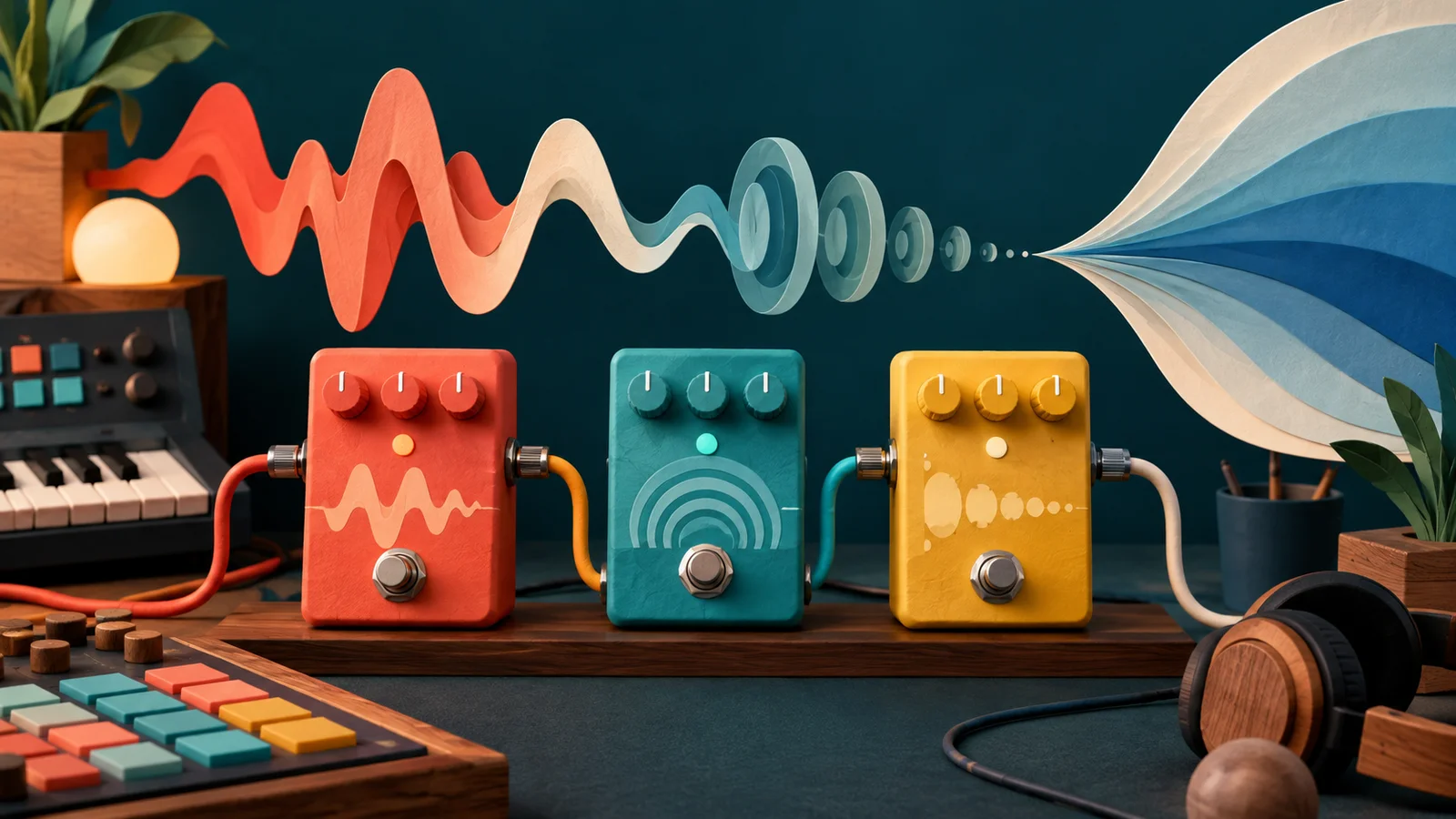
Play the guitar below. It's one quick echo, about a tenth of a second behind the dry sound, played once. And somehow it sounds like 1955.
Move Time between about 80 and 150 ms. Where does it sound most like an old rock and roll record? What happens past 200 ms?
Slapback
Electric Guitar: Andy G. Cohen, CC BY
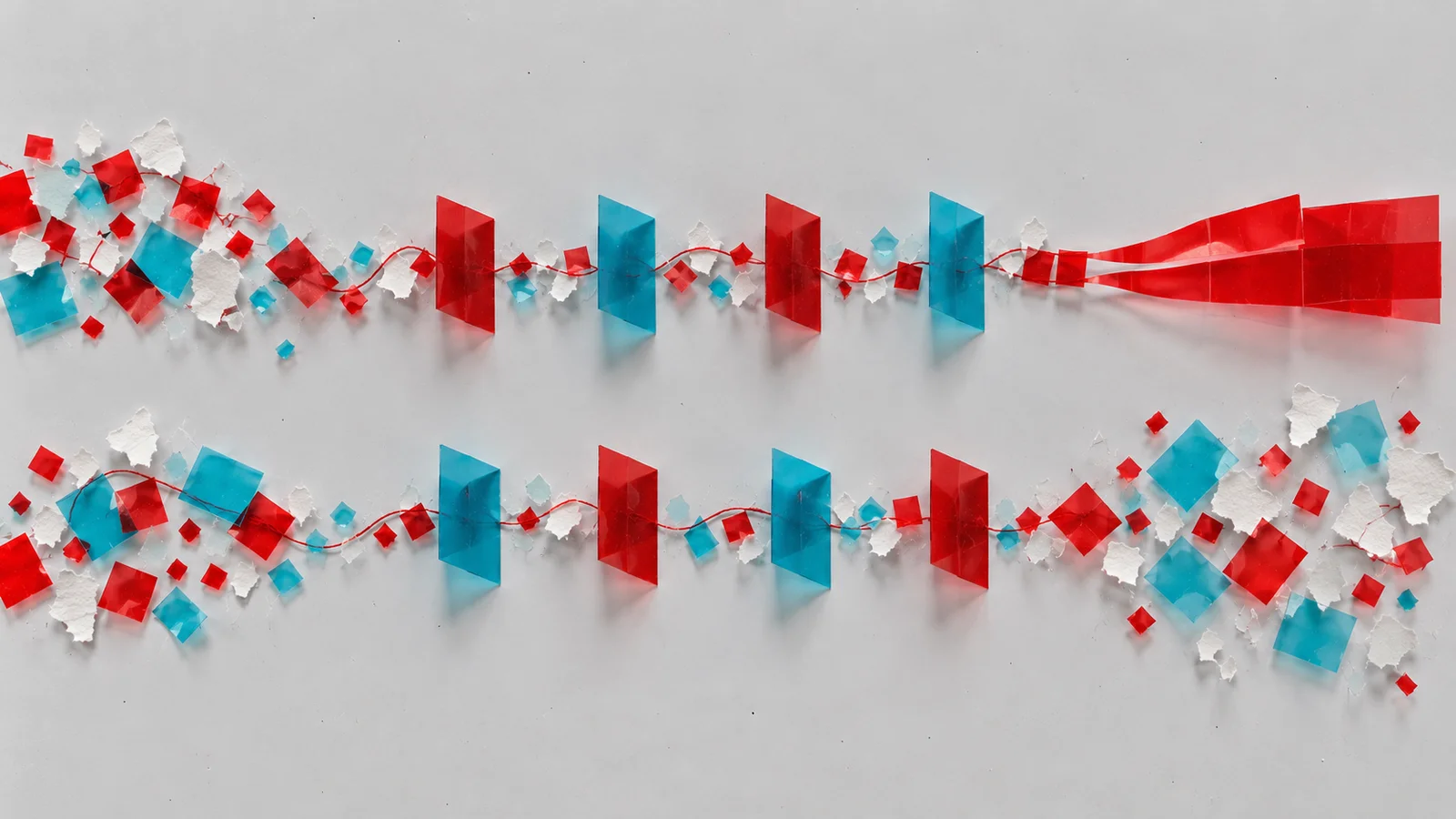
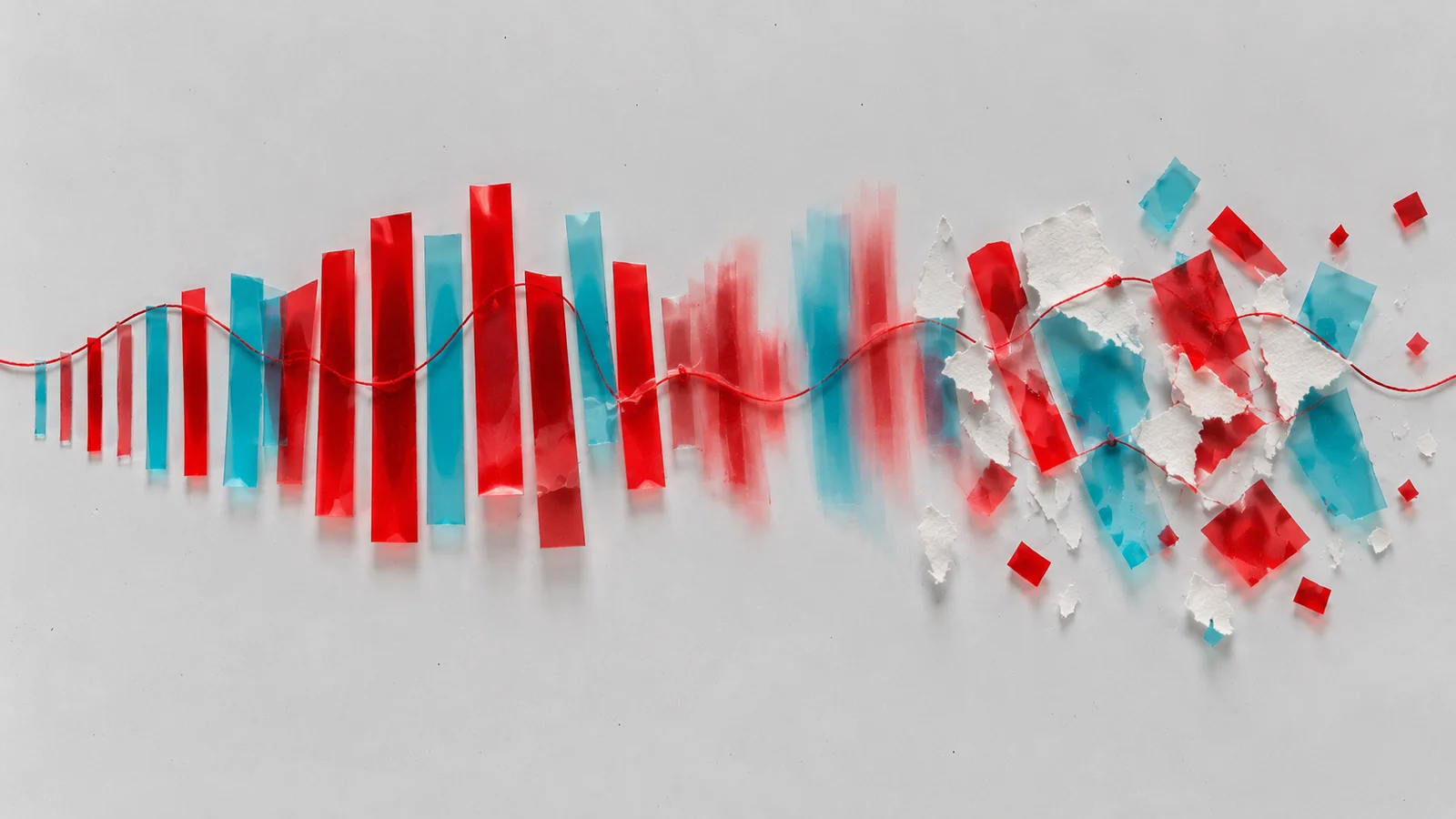
That's slapback, and it's the sound of Sun Records in Memphis in the mid-1950s. Sam Phillips made it with two tape machines: the second one recorded the sound and played it back a split second later, because its playback head sat a little way after the recording head. Many of Elvis Presley's early singles, Scotty Moore's guitar, Johnny Cash and Carl Perkins: all wrapped in that quick, bouncy echo. It makes a voice or a guitar sound bigger and more excited, like it's bouncing off the back wall of a small club, without the wash of reverb. Switch the source to the voice and you'll hear Elvis's trick.
Now raise Feedback and listen to what one echo turns into.
Time, feedback and mix
A delay records the sound and plays it back later. Three controls describe it:
- Time is how long the copy waits before it comes back.
- Feedback sends some of the echo back into the delay, so it repeats again, and again.
- Mix is how loud the echoes are compared with the original.
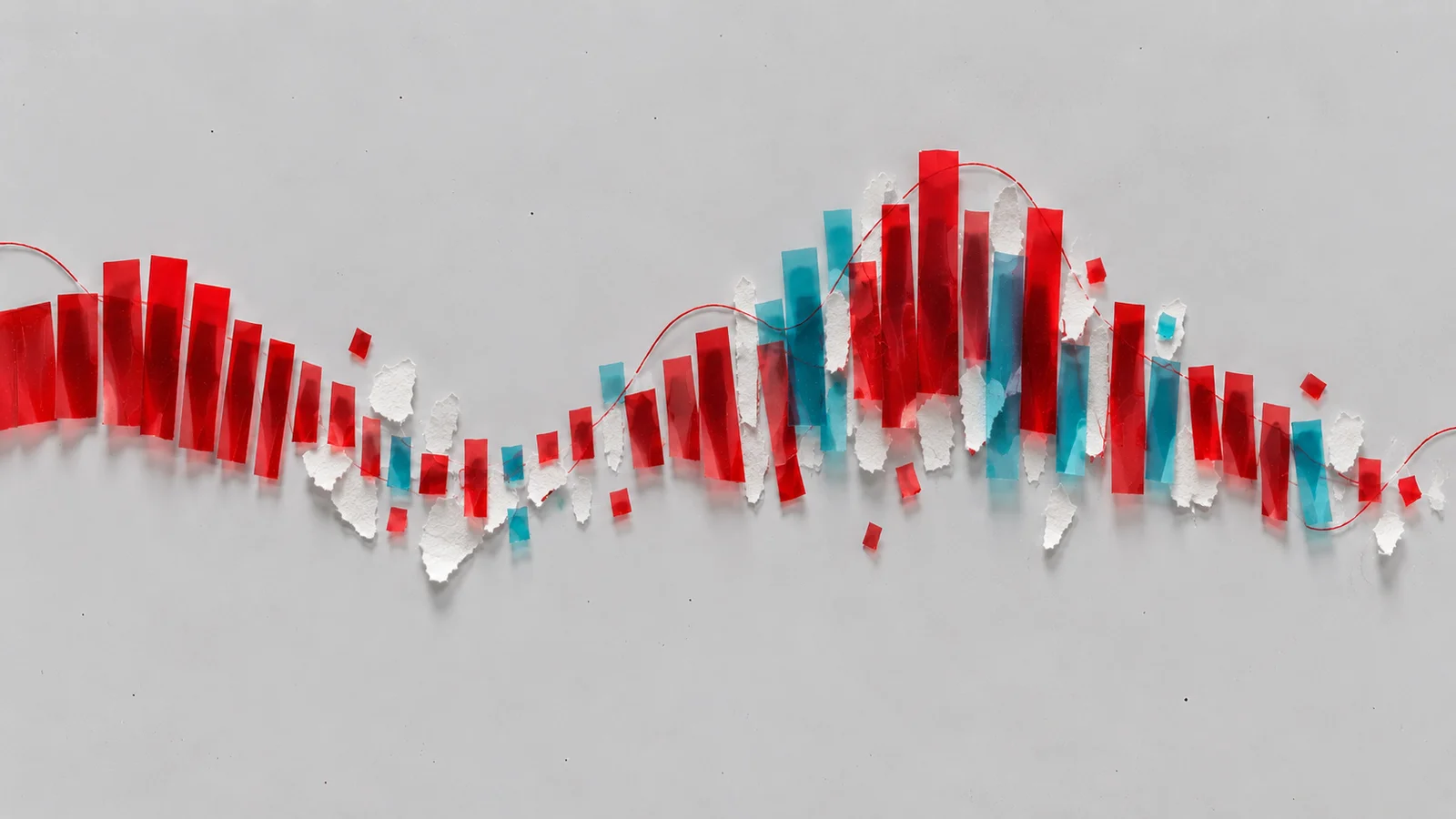
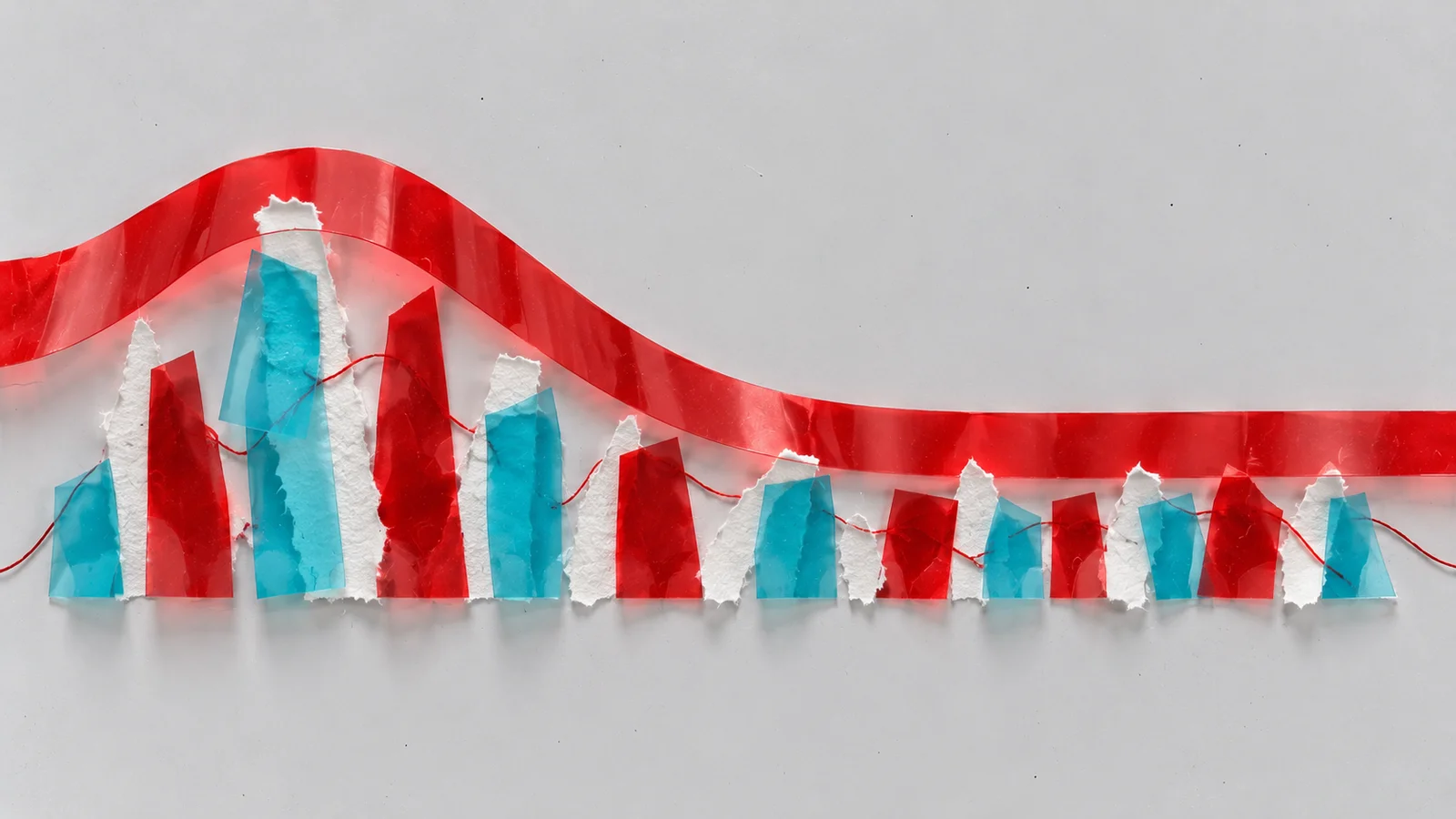
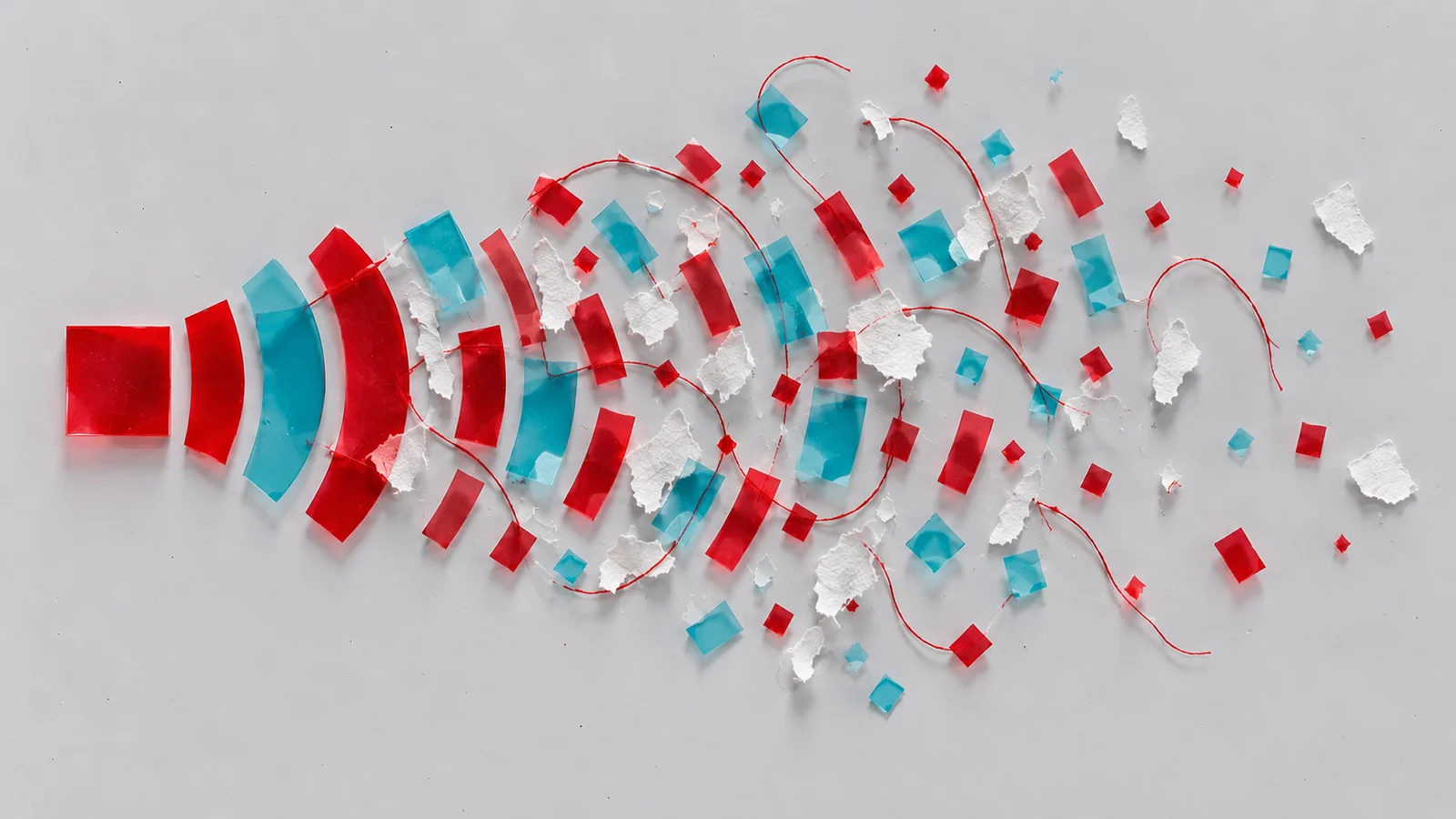
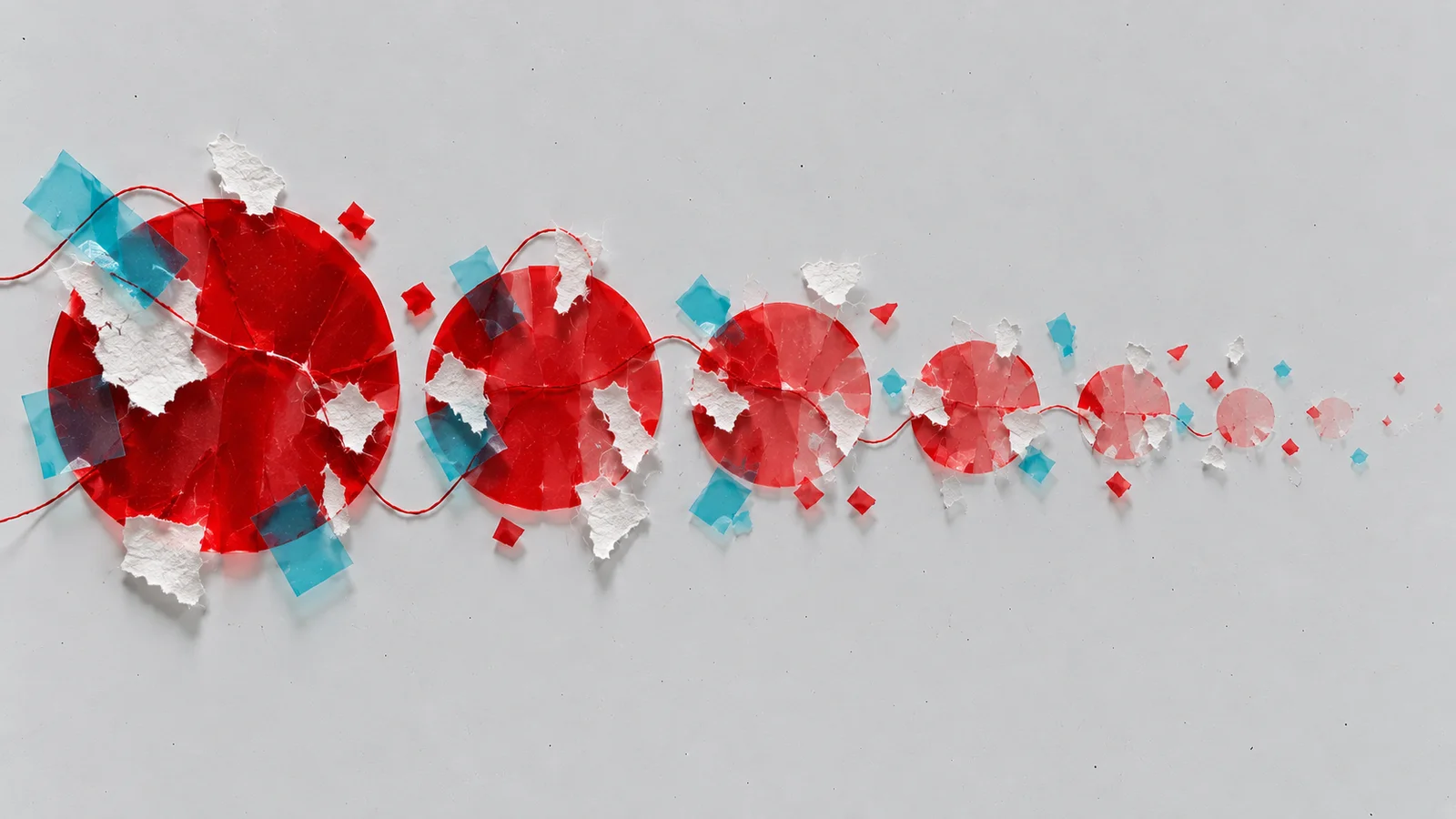
With Feedback at zero you get exactly one echo: slapback. Turn it up and each echo spawns another, a little quieter each time. At 50% feedback, every repeat is half the level of the last one.
Repeats at 50% feedback
Longer, darker repeats lead toward dub echo. Shorten them enough and the delay can become a ringing tone.
Dub: echoes that grow, darken and never quite stop
In Kingston, Jamaica, in the early 1970s, engineers like King Tubby and Lee "Scratch" Perry started remixing reggae records live on the desk: pulling out the vocals, dropping the band in and out, and throwing single words and snare hits into a tape echo with the feedback turned way up. That's dub, and its echoes don't behave like a stock delay. They hang in the air, get darker and murkier with each pass, and sometimes swell instead of fading.
Two things make that happen, and both are inside the feedback loop.
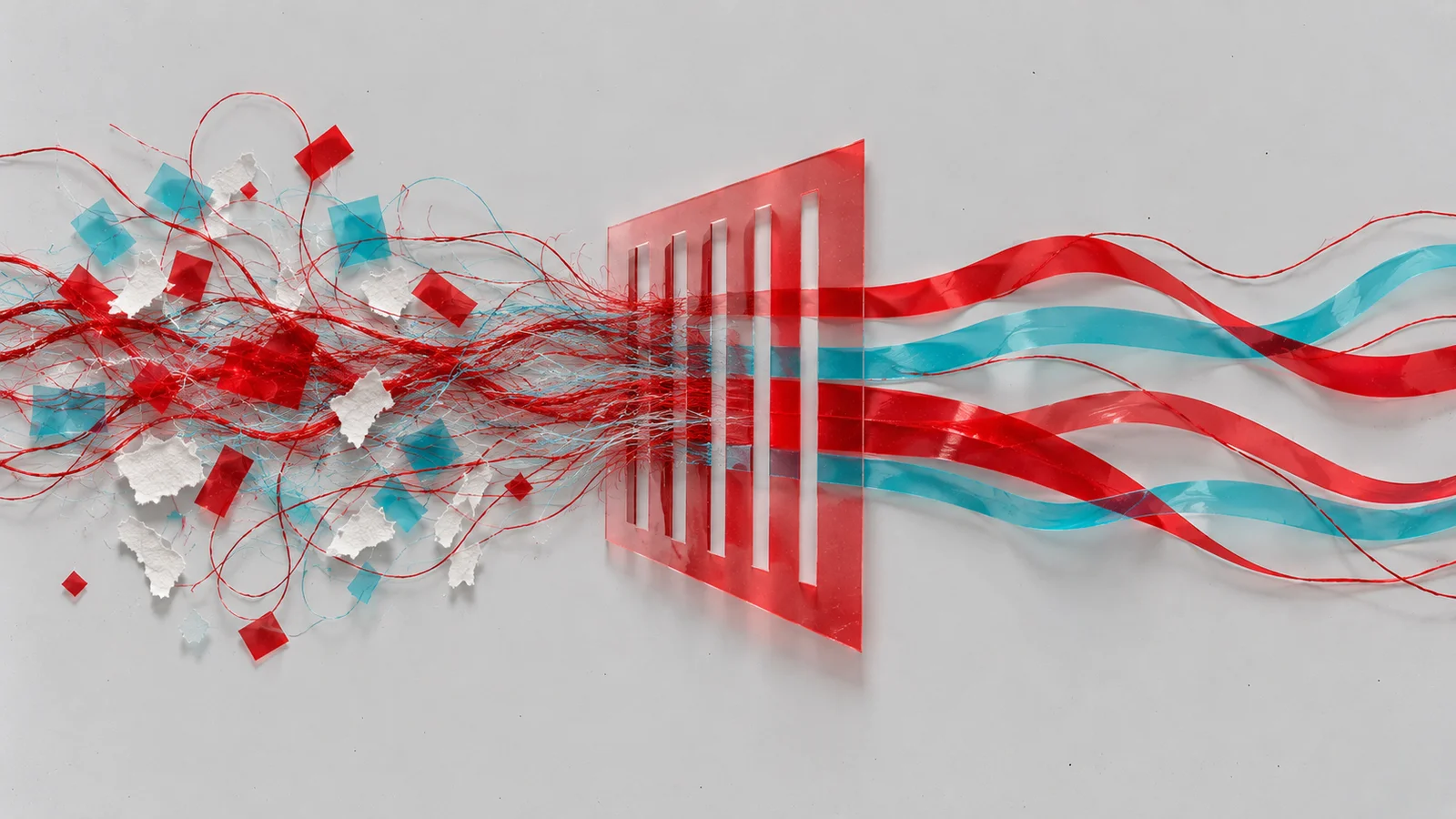
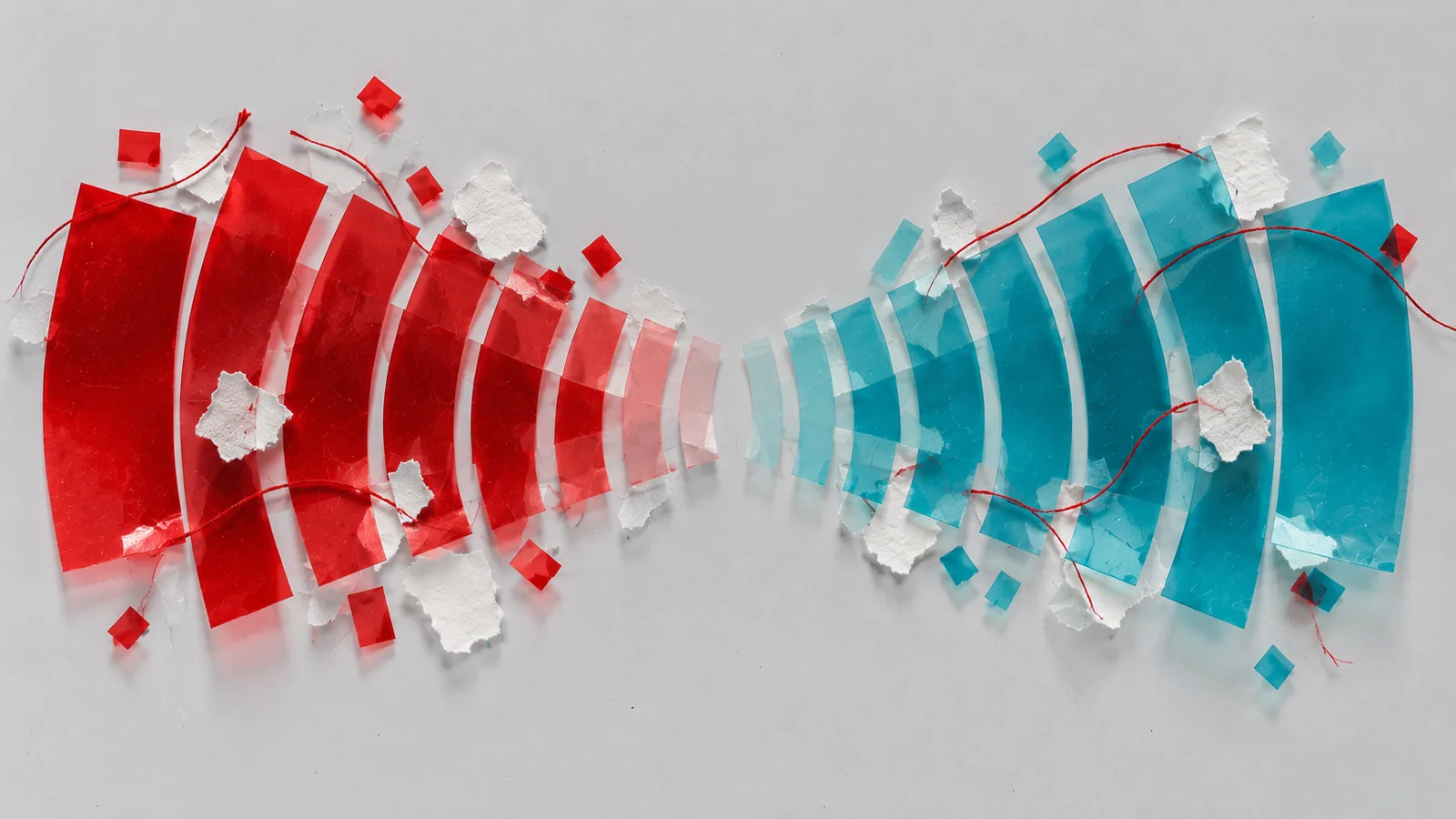
A filter in the loop. Tape echo machines lost a little treble every time the sound went round, so each repeat came back darker than the last. Put a filter after a delay and every echo gets the same darkening once. Put it inside the loop and each repeat goes through it again, so the third echo is darker than the second, and the tenth is a muffled thump. That's why dub echoes seem to recede into the distance instead of competing with the next line.
Saturation in the loop. Near 100% feedback, each repeat is nearly as loud as the last, and any boost anywhere in the loop makes it grow, until it howls. Tape saturation keeps that growth in check: the louder the echo gets, the more it squashes, so it can sit right on the edge of runaway, swelling and roaring without exploding. Dub engineers rode the feedback knob like an instrument, pushing it into that swell and pulling it back.
When an echo becomes a note
Here's the strangest thing a delay can do. Below, a single click goes into a delay with high feedback, so you hear a long trail of repeats. Pull Time down slowly, from 300 ms toward the bottom of its range. Before you do, predict: as the echoes get closer together, will you hear a blur, nothing at all, or something else?
Lower Time slowly toward a few milliseconds. When do the echoes stop being echoes? What do you hear instead?
Shrink the echo
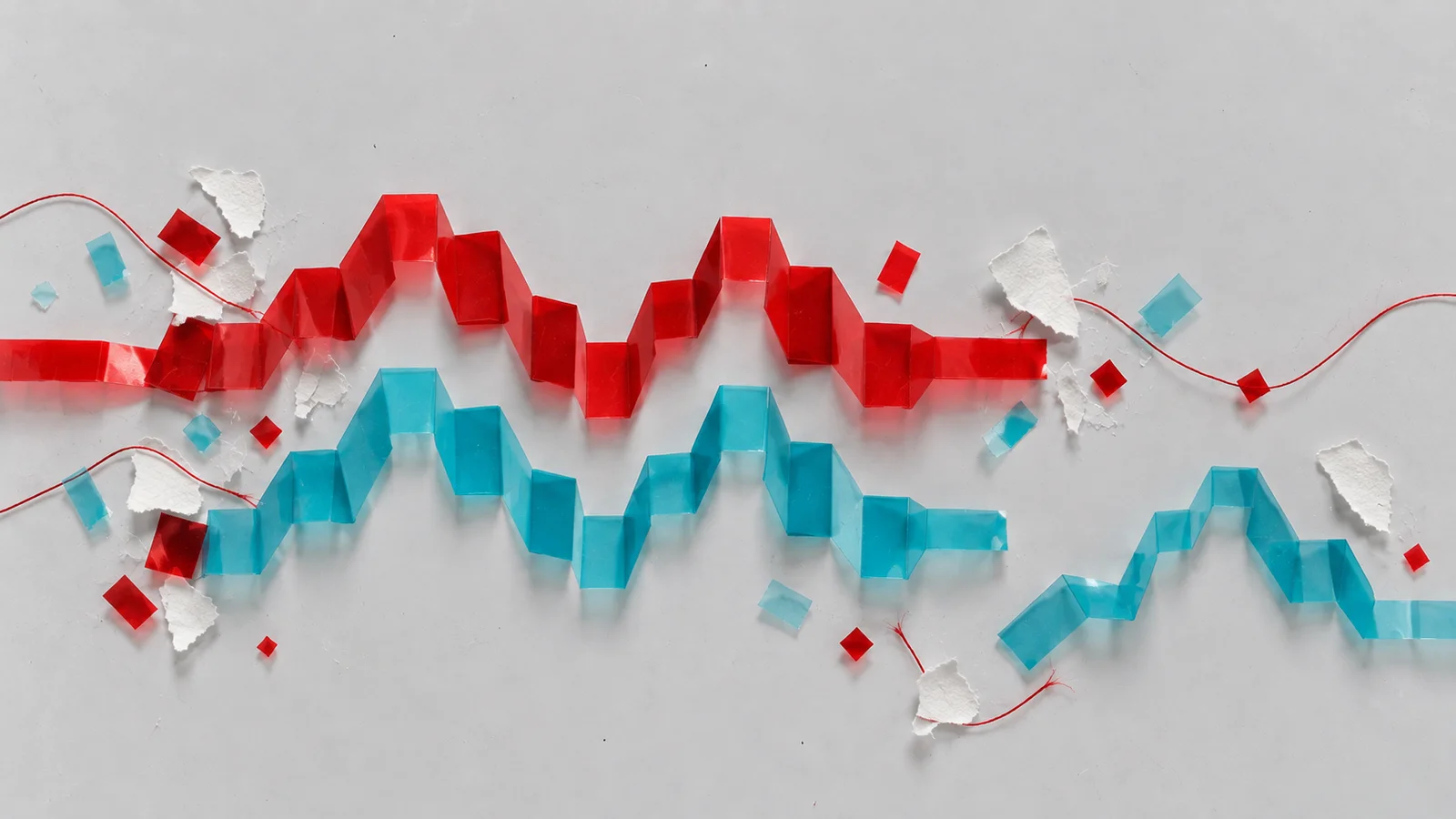
The echoes speed up, blur into a flutter, and then, somewhere around 20 to 30 milliseconds, they turn into a pitch: a metallic, ringing tone. Shorter time, higher note.
That's because a pitch is a repetition. If an echo comes back every 5 ms, that's 200 times a second, and a sound repeating 200 times a second is a 200 Hz tone.
Shorter delay, higher pitch
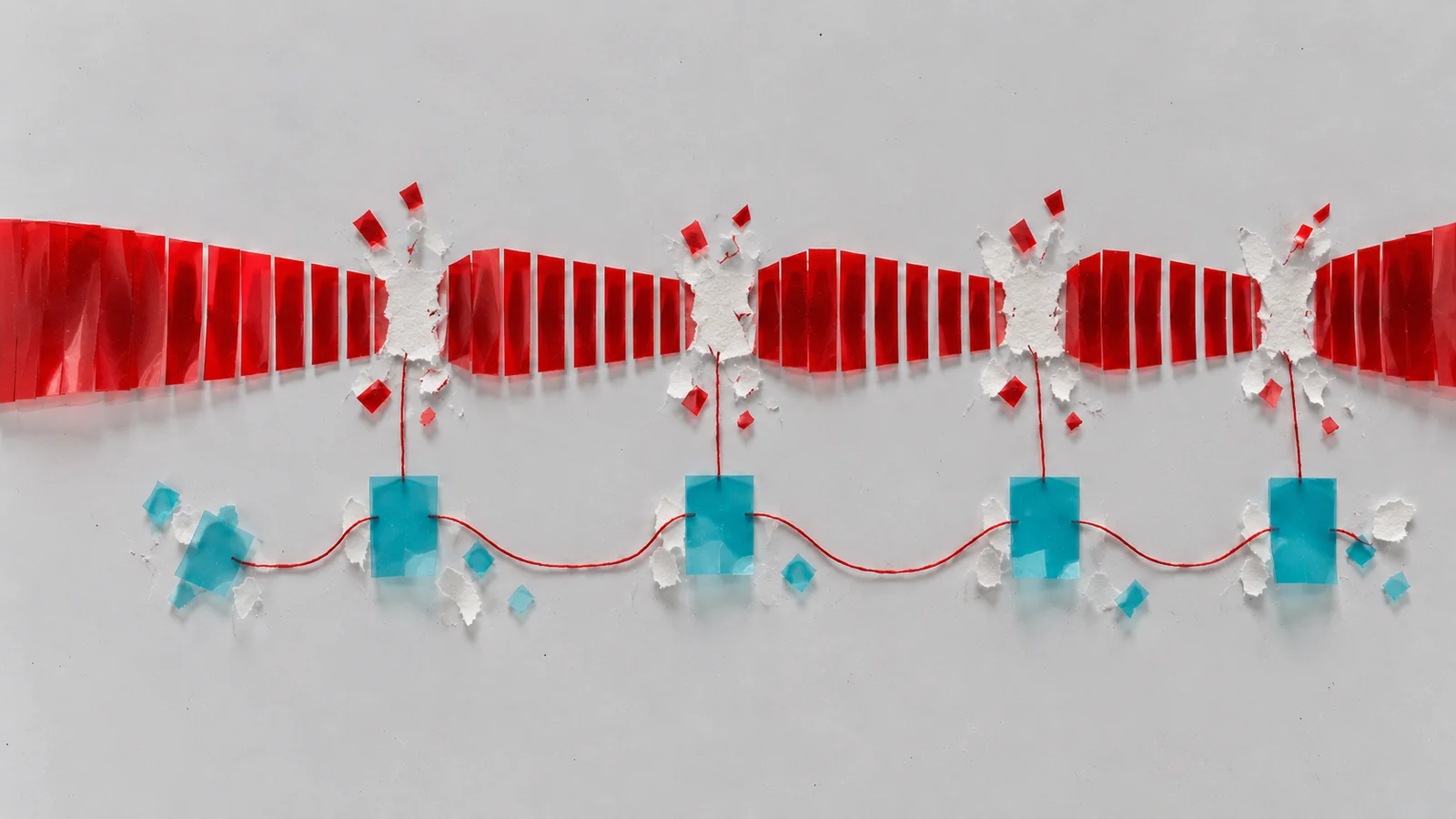
So a short delay isn't a fast echo. It's a change of tone. With no feedback it gives a hollow, phasey colour called comb filtering (some frequencies reinforce, others cancel). Set that short delay moving and you have a flanger. With feedback, it rings like a string.
Same idea, different place: Physical modeling builds plucked strings exactly this way: a very short delay with feedback and a little filtering in the loop. Pluck it with a click, and it rings at a pitch set by the delay time. A guitar string is an echo bouncing between the nut and the bridge.
Put the echoes on the beat
Echoes that land on a rhythm become part of the song. A delay time that matches the tempo makes the repeats lock into the groove; one that doesn't makes everything feel slightly drunk.
The arithmetic is short. One beat lasts 60,000 ÷ BPM milliseconds:
| At 120 BPM | Time |
|---|---|
| Quarter note | 500 ms |
| Eighth note | 250 ms |
| Dotted eighth | 375 ms |
The dotted eighth is the magic one. It lands between the beats, so the echoes interlock with what you play and fill the gaps with notes you never played. It's the sound of U2's "Where the Streets Have No Name": The Edge plays simple eighth notes, and a dotted-eighth echo turns them into a shimmering, galloping cascade.
The delays here don't follow the song's tempo automatically, so type the time in yourself. Set Time to 0.375 in the first lab, Feedback to about 30%, and play along in your head at 120 BPM.
Where the echo gets in the way
Too many repeats fill every gap in a busy part, and the song turns to soup. Before you shorten the time, lower the feedback or the mix, and ask which repeats the phrase actually needs. Often it's one or two.
The dub answer is to stop echoing everything. Send only the last word of a line, or one snare hit, into the delay. That's called a throw: a single moment that echoes into the space while the rest of the part stays dry.
Try Dub delay throw to turn that choice into an accent: pick one moment, put its repeats on the beat, then set the feedback and darkening so the trail leaves room for the next phrase.
Make it yours
Take a guitar, keys or vocal phrase of your own with some space in it. Work out a dotted eighth at your song's tempo (60,000 ÷ BPM × 0.75), enter it, and start with low feedback and a low mix. Count where the first repeat lands, then listen to the whole tail in the song.
When it sits in the groove, open Delay Stage from the lab and save it with the tempo in the name: "Dotted 8th, 96 BPM". If the song's tempo changes, you'll know exactly why the echo drifted, and what to recalculate.
Quick check
- Feedback is at zero. Do you still hear an echo? Yes, exactly one. Feedback only controls the extra repeats. With none, you get slapback: a single copy.
- You want each repeat darker than the one before, like a dub echo. Where does the filter go? Inside the feedback loop, so each repeat passes through it again. A filter after the delay darkens all the echoes equally.
- A delay with high feedback is set to 4 ms. What do you hear on a click? A pitched ring at about 250 Hz (1000 ÷ 4), not a series of echoes. At that speed repetition becomes pitch.
Next steps
- Go deeper: Reverb. Add enough echoes from enough directions and you can't count them any more. That's a room.
- Use it: Rhythm, meter and groove. Choose where the echoes land, not only how long they last.