Build and share
Use audio models creatively, build your own instruments and tools, and bring them to the people who'll play them.
Audio machine learning and creative sensing
Understand what audio models can contribute to a musical idea, and hear the limits before choosing a technique.
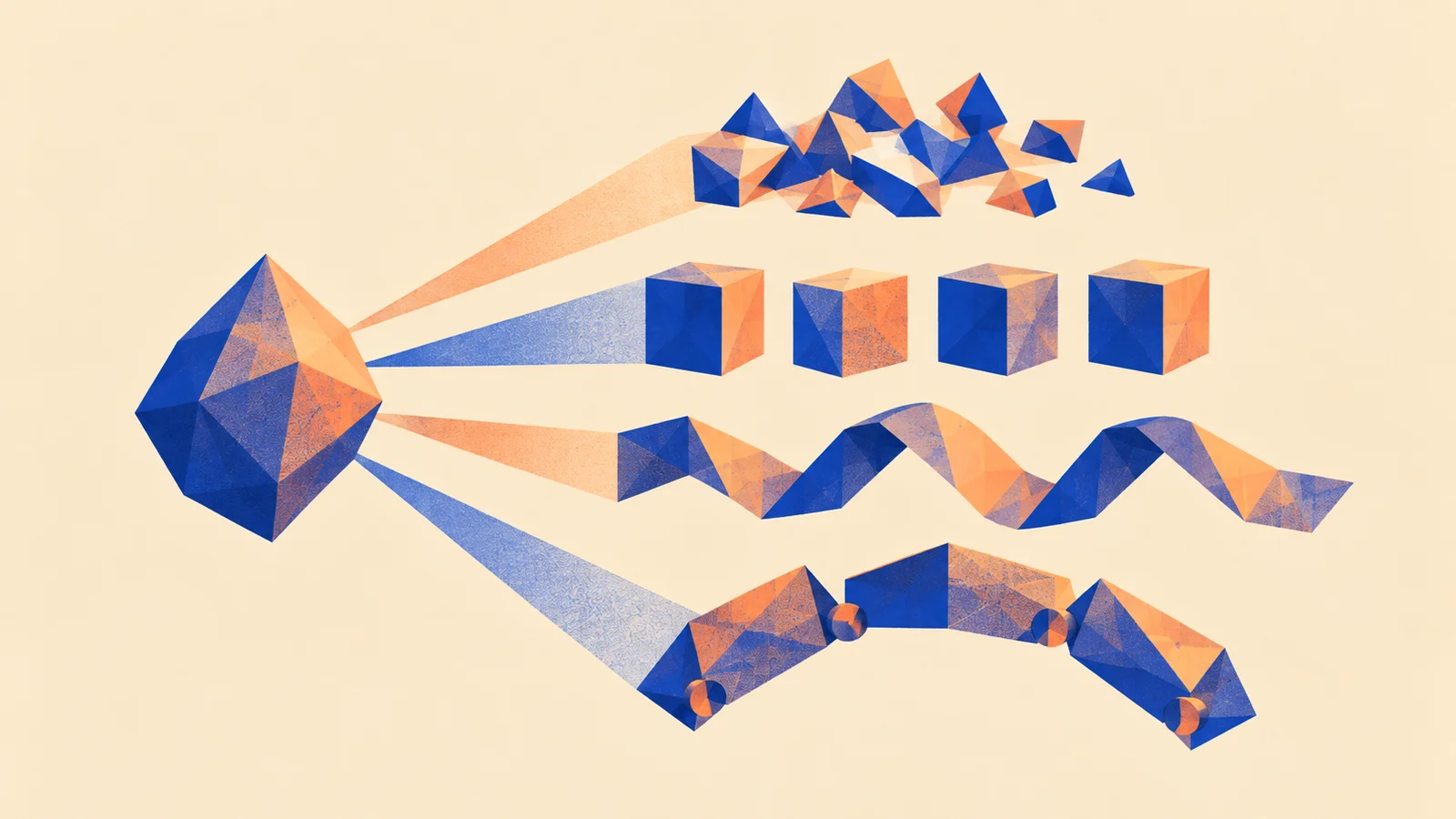 What AI can do in musicListening, editing, generating and playing along: the jobs a model can take on
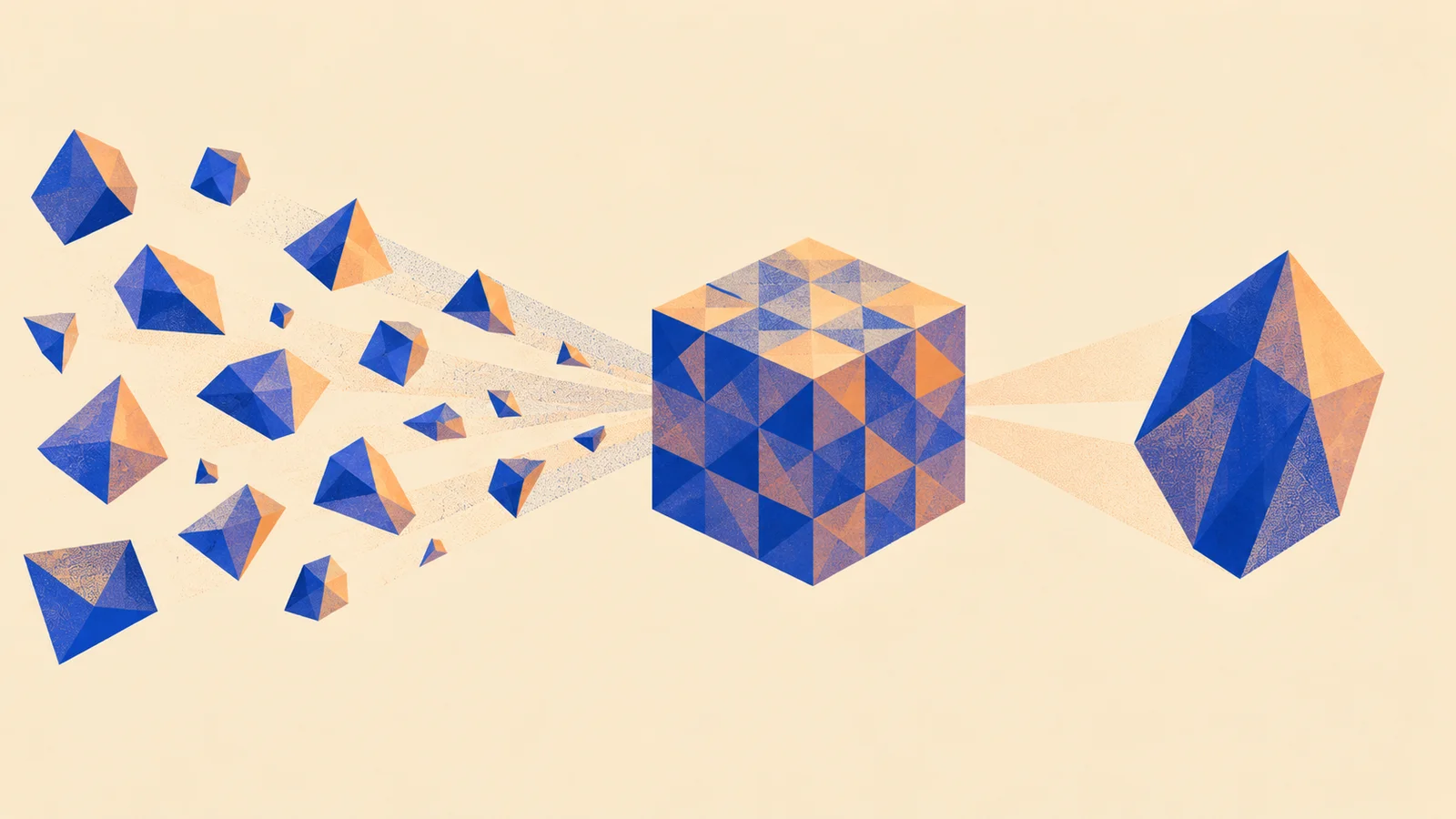 What an audio model learnsTraining, inference and why a model's output is an estimate
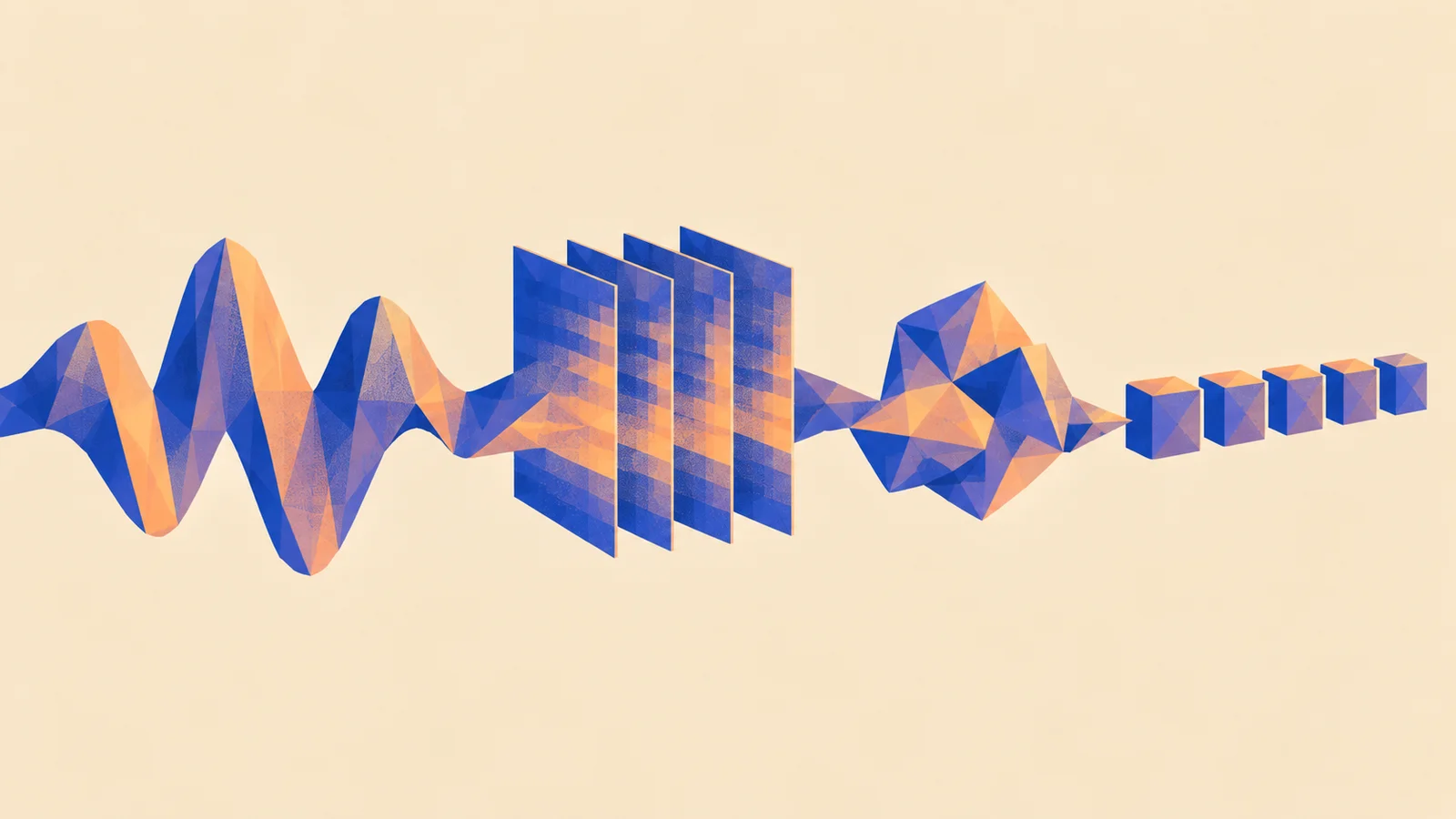 How models see audioWaveforms, spectrograms, latents and tokens
 Tagging, search and similarityHow models label sounds and find ones that sound alike
 Stem separationHow models pull drums, bass and vocals out of a mix, and where they struggle
 Repair and restorationRemoving noise, room and clicks, and what goes with them
 Audio generationHow models make new sounds from noise, tokens or prompts
 Generating notesMelodies, drum patterns and chords from a model, and why editable output matters
 Neural instruments and timbre transferInstruments whose sound comes from a trained model
 Voices, cloning and consentSinging synthesis, voice conversion and whose voice it is
 Playing with a model liveLatency, listening and taking turns with a generative bandmate
 Training on your own soundsData, fine-tuning and personal models of an instrument or amp
 Camera and gesture controlTurning movement into musical control
 Adding a model to your appCapability checks, downloads, workers, progress and cancel
Build your own tools
Translate a musical intention into a focused tool whose sound and behavior you can test.
 Signals and systemsLinearity, memory and why EQ and distortion behave so differently
 Anatomy of a Maru moduleDeclaration, ports, parameters, processor and face
 Build an effectFrom a musical promise to a working processor
 Build an instrumentVoices, notes, envelopes and stuck-note safety
 Build a MIDI toolEvent timing, routing and deterministic randomness
 Realtime and numerical safetyDenormals, allocation, smoothing and block boundaries
 Testing sound and behaviourSilence, clipping, DC, extreme settings and listening
 Presets, state and automationMaking saved sessions come back exactly as they were
 Shipping to browser and pluginsTargets, formats and what each one has been tested on
 Building with an AI agentBriefs, reviewing changes and catching unsupported claims
Instrument design and publishing
Make an instrument understandable and useful to someone else, from its controls to the way it is shared.
 What makes an instrument inspiringImmediacy, response, identity and depth
 Controls, macros and rangesMaking every knob worth turning
 Presets as product designA default that sells it and a set with distinct jobs
 Interface and first useLabels, hierarchy, accessibility and the first minute
 Finding an audienceWho it's for and how to test whether they care
 Identity and storyTurning an artist's sound into something playable
 Demos, pricing and launchHonest demos, costs, channels and a first launch experiment
 Rights and maintenanceLicences, credits, updates and support