Press Short pluck on the kalimba below, then Let it ring. Now drag Pluck from the soft end to the hard end and play the same note again.
Play the same note with Pluck low, then high. Besides loudness, what changes?
One tine, two touches
Nothing about the note changed. Same pitch, same tine. Yet the soft pluck sounds like a thumb resting on metal, round and close, and the hard one arrives with a bright click and seems to ring further into the room. Your ear hears that difference as how the note was played. That is where every instrument people fall in love with begins.
Before reading on, make a prediction. Which would keep you playing longer: an instrument with two hundred sounds, or one sound that answers a little differently every time you touch it?
One sound, many answers
Think of the instruments people play for a lifetime. A piano has one sound. So does a Rhodes, a kalimba, an acoustic guitar. Nobody loves them for their range of presets. They love them because that single sound keeps answering back.
Play a piano softly and the note isn't only quieter, it's darker and rounder. Play hard and it turns bright and edged. The felt on the hammer behaves harder when it hits faster, so loud notes carry more high partials. Pianists spend years learning to steer that, and it never stops being interesting, because every phrase can have its own shape.
That relationship between what you do and what you hear is response. Strike strength can change brightness and attack. How long you hold can change the tail. Register can change the colour. When response is rich, the instrument feels like a conversation: you try something, it answers, and the answer gives you the next idea. When it's flat, the instrument is a playback button with a keyboard attached.
What changed when you plucked harder
Soft and hard strikes
A soft thumb stays on the tine for a moment, so the push it gives is slow and rounded. A slow push mostly excites the lowest way the tine can vibrate. A hard flick is over almost instantly, and a short, sharp push excites the fast, high vibrations too. In the kalimba above, Pluck sets exactly that: how short and sharp the strike is.
So the hard pluck isn't the soft pluck turned up. It's a different shape of sound, with a bright edge on the attack that fades back into the same round tone. Look at the spectrum in the lab as you move Pluck: the low peak hardly moves, while the peaks above it rise. That's what your ear calls "played harder".
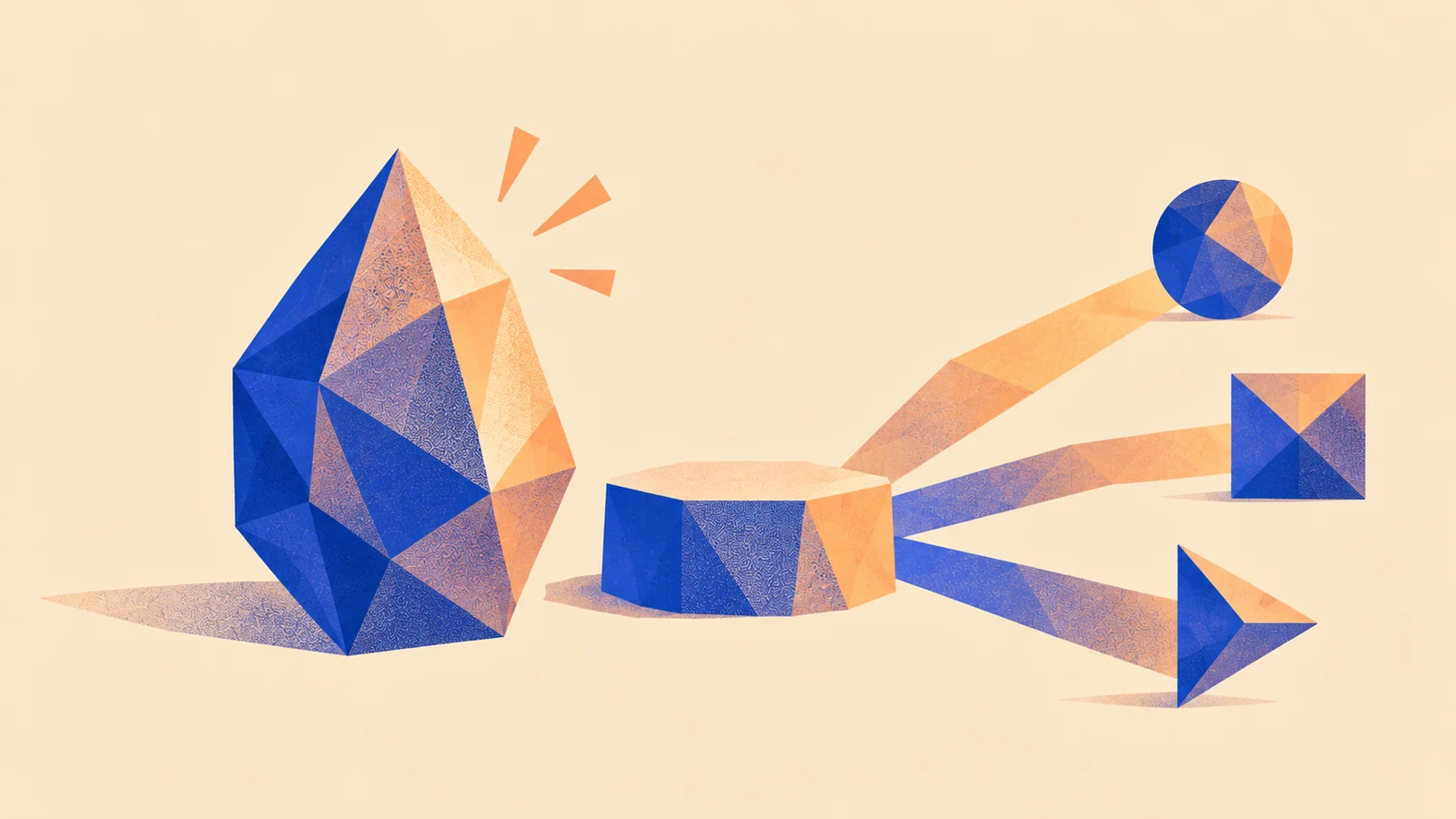
Same idea, different place: Physical modeling builds instruments from an exciter meeting a resonating object. The response you just heard is that meeting: change the exciter and the same object sings differently.
Dig in and it growls
The Rhodes electric piano is the classic example of an instrument people stay with because of how it answers touch. Play it gently and you get a soft bell, the sound of a thousand late-night ballads. Dig in and it starts to bark: the tine swings further past its pickup, the signal stops following it neatly, and a growl appears on top of the bell. Soul, jazz-funk and neo-soul keyboard players live in the space between the two.
Raise Hammer, then Drive. Which one sounds like playing harder, and which sounds like turning up an amp?
Bell or bark
Listen to what each control changes. Hammer changes the strike itself, so the front of the note turns harder and brighter. Drive changes what happens after the pickup, adding grit the way a pushed amp does. Both are useful, and Rhodes players use both. But only one of them is about your hands, and on the real instrument the bark comes from how hard you play.
When you want a sound to feel alive, tie the change to the gesture that caused it, and let the change fade the way a real strike fades. Brightness that follows how hard you play feels like touch. Brightness from a fixed knob feels like a setting.
Fewer choices, more music
Response is one kind of depth. Constraint is another, and it's just as inviting.
A 17-key kalimba in C has only the notes of C major, from middle C up to the E more than two octaves above, with the longest tine in the middle. There are no wrong notes on it, because they aren't there. That's a big part of why someone who has never played anything can pick one up and make a melody in a minute. Try the black keys on the keyboard under the first lab: they're silent, because the board has no tines for them.
The Roland Juno-106 makes the same point with sound. Each voice has a single oscillator, plus a sub-oscillator one octave down and noise. On paper that's thin. Then you switch on its built-in chorus, and the plain sound turns wide and lush. People still chase that sound decades later, not because the synth could do everything, but because a few strong decisions gave it a voice you recognise in two notes.
An instrument with a clear identity and a response worth exploring gives the player two things at once: a sound they love on the first note, and something left to discover on the hundredth.
Where it breaks: gorgeous once, identical forever
The most common failure is a sound that's stunning on the first note and exactly the same on every note after.
You'll hear it in sampled instruments that play one recording no matter how you play. Repeat a snare or a piano note quickly and it sounds mechanical, a stutter that producers call the "machine gun" effect. A real drummer never hits twice the same way, and your ear knows it. (That's what velocity layers and round robins are for: see Round robins and articulations.)
You'll also hear it in defaults drowned in reverb or effects. The first chord is huge and beautiful. The tenth is the same huge chord, and there's nowhere to go: playing softer changes nothing, short notes vanish in the wash, and the player has run out of things to try.
The opposite failure is real too. A response so strong that small gestures vanish and big ones explode is tiring to play. Test the quiet end as carefully as the loud end. Designers tend to audition loud and bright because it's easy to hear, and players spend most of their time in the middle.
Make it yours
Take an instrument you're building or a sound you've made, and pick the one gesture that should change more than loudness. Usually it's how hard you play. Sometimes it's how long you hold, or how high you go.
- Play one phrase three ways: soft, medium and hard. If the only difference is level, you've found your opportunity.
- Make that gesture change the tone too. Tie strike strength to brightness, to attack sharpness, or to how much of a second layer comes in. Keep the change fading the way a real strike fades, so the tail stays calm. Now soft playing sounds intimate and hard playing sounds urgent.
- Play the same phrase again at a steady volume, then a second phrase you didn't design for, say faster notes lower down. If the response still helps, it's real.
- Save it as the default, so the first thing anyone hears is the version that answers back. A new player discovers your instrument's best idea in the first phrase instead of the fortieth.
If you'd like a starting point, open Kalimba from the first lab, set Pluck where soft playing sounds best, and save that as your own preset.
Quick check
- A friend plays your synth for a minute and says, "It sounds amazing, do you have more presets?" What might that mean? Possibly that the sound is lovely but doesn't change with how they play, so after the first phrase there was nothing left to explore. More presets would give them more first phrases. A deeper response would give them a second one. It might also mean they wanted a different job (a bass instead of a pad), so ask what they were trying to make.
- You map velocity to volume only, and soft notes sound like loud notes far away. Why? Because in real instruments a soft note is also darker and rounder. Turning down a bright note keeps its brightness, so your ear reads it as distance, not gentleness. Tie velocity to brightness as well, as the Pluck control did.
- Two designs: one sound that changes a lot with touch, or the same sound with twenty effects presets. Which helps a beginner more on day one? It depends what they want, but for a beginner the first usually wins. It rewards anything they try with a different answer, while twenty presets ask them to choose before they've played. The presets become more useful once they know what they're looking for.
Next steps
- Use it: Controls, macros and ranges. Your best response is ready. Now make sure every knob around it does something across its whole travel.
- Go deeper: Key and velocity mapping. How to spread velocity across layers and curves so touch feels natural.