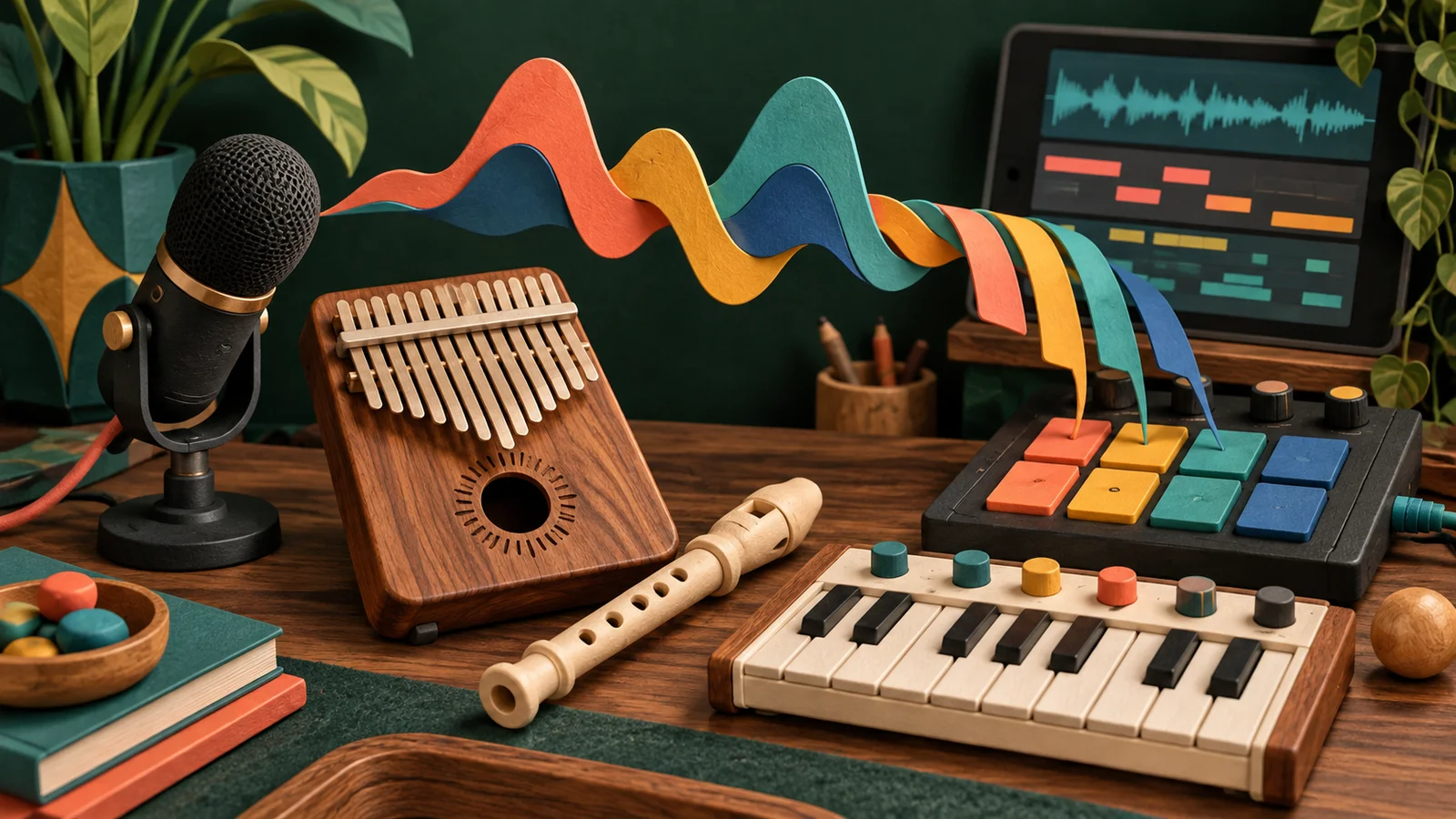
Press play. It's one snare drum, played sixteen times in a quick roll. Then use the accent control to make some hits louder than others.
Add or move accents. Does the roll start to sound like a drummer?
The machine gun
Loading the phrase…
Before you play with the accents: will louder and softer hits make it sound like a real drummer?
It helps a little, but the roll still sounds like a machine. Every hit has exactly the same crack, the same rattle, the same ring; only the volume changes. Producers call it the machine-gun effect, and once you've noticed it, you'll hear it in every cheap drum loop. Now listen to a real drummer:
Pick two hits that should be the same. Do they sound identical?
A drummer's hands
ReplayNo two strokes are the same, even when the drummer means them to be. The stick lands a millimetre to the left, the head is still moving from the last hit, the wrist is a little tired. Turning one recording up and down changes its level. It never gives you a second hit.
One recording keeps its identity
A sample is one moment, frozen. Play it again and you get every detail again: the same attack, the same overtones, the same little buzz at the end. Your ear is extraordinarily good at noticing identical repetition, especially in quick succession.
Sometimes that's exactly what you want. A tight electronic hi-hat or a hard 808 clap is supposed to be identical every time; that's the style. But for anything meant to sound played (a snare roll, a hand drum, a repeated piano note) identical copies give the game away.
Record the same thing again
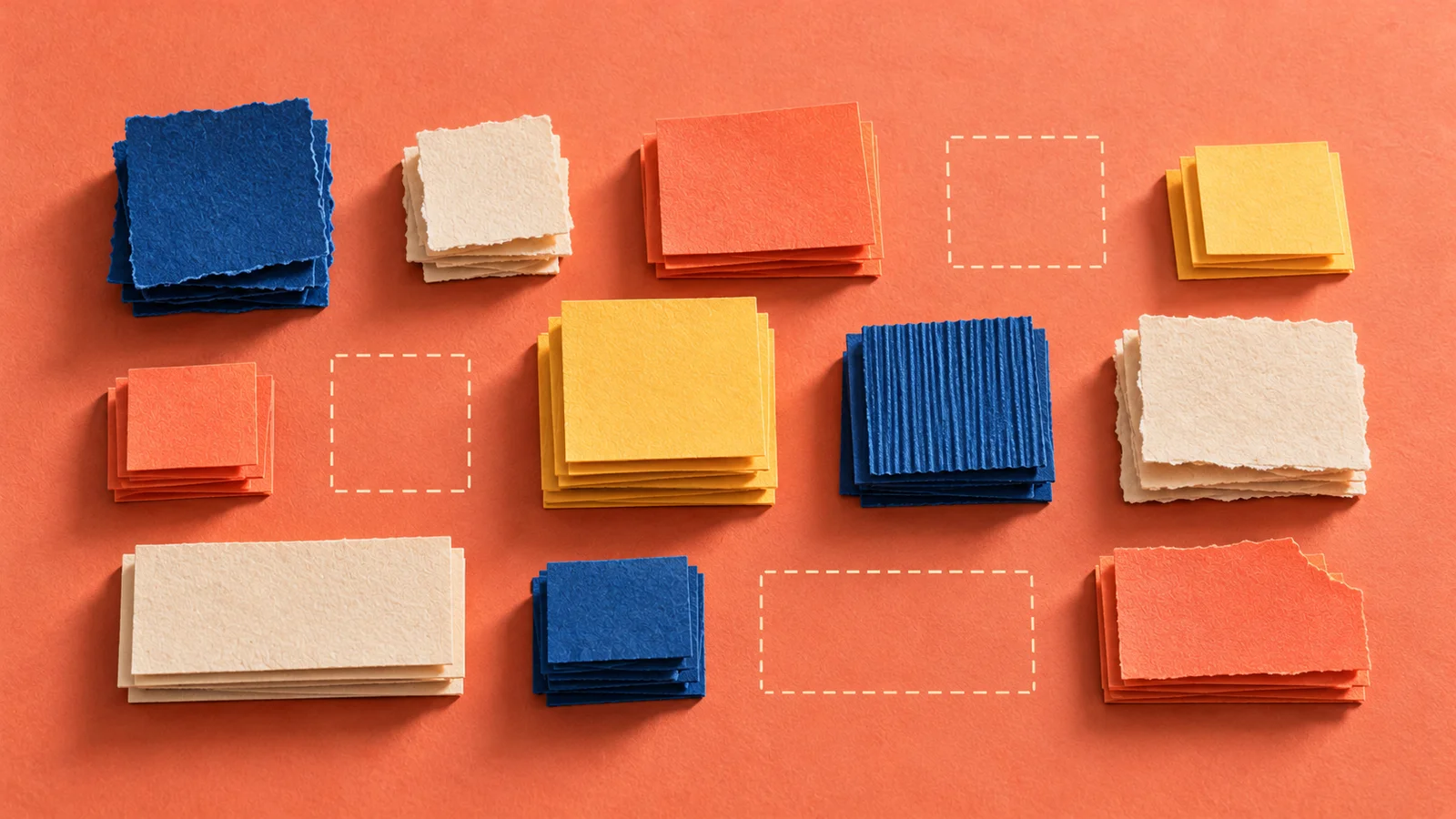
An alternate take is another recording of the same action: another snare hit, same strength, same spot. A round robin cycles through those takes so consecutive hits use different recordings.
Two or three good takes make a big difference. Keep them close: same strength, same position, same mic. You want small physical differences, not a different instrument. A take that's noticeably brighter or louder than the others will jump out every time it comes round.
Round robins have a rhythm of their own
Call your two takes A and B. A strict round robin plays A, B, A, B. Put that under four quarter notes and A always lands on beats 1 and 3, and B always on 2 and 4.
Which take lands on which beat
If B happens to be a touch brighter, you've just created an accent on 2 and 4, a backbeat you never programmed. That might be lovely, or it might give your hi-hats an unwanted gallop.
With three takes, each bar starts on a different one, and the pattern only realigns every three bars, so no take sticks to a beat. It's the same cross-rhythm that makes a three-note arpeggio roll over a bar of sixteenths.
Same idea, different place: groove lives in small differences between hits. Round robins vary the sound the way human timing varies the placement. See Rhythm, meter and groove.
This isn't a rule to always use odd numbers. It's a reason to listen to your round robin against the actual pattern before you call it done.
Random isn't the same as varied
Most samplers offer a few ways to choose the next take:
- In order. A, B, C, A, B, C. Predictable and easy to check, but it can lock onto beats as above.
- Shuffled, no repeats. Every take plays once, in a random order, before any repeats. Varied, and never the same take twice in a row within a pass.
- Truly random. Every hit is a fresh coin toss. With two takes, there's a one-in-two chance the next hit repeats the last one; with three, one in three. Now and then you'll get the same take three times running, which is exactly the machine gun you were trying to avoid.
Most random is not most human. Try each mode against your pattern for several bars and keep the one that sounds like hands.
Check one key first
Round robins usually cycle separately for each key: your snare's takes don't advance when you hit the kick. So test one repeated note alone before the full beat. It's much easier to hear which take is the odd one out when nothing else is playing.
Add velocity layers after that. If soft hits use one set of takes and hard hits another, make sure you aren't hearing a layer change while you're hunting for a mismatched take.
Articulations are choices, not variety
An articulation is a different way of playing: a rim shot versus a center hit, a muted guitar note versus an open one, a bowed note versus a plucked one. Those aren't small variations; they change what the phrase says. A drummer chooses a rim shot for the big moment. Cycling it automatically with ordinary hits would put a crack in random places.
So keep two decisions apart:
- Which articulation? A deliberate choice, made by the player. Often switched with a keyswitch, a key outside the playing range that selects a set of recordings.
- Which take? Automatic variety within that articulation, handled by the round robin.
If you use keyswitches, decide which articulation plays when the instrument first opens, and write it down. Otherwise someone else's MIDI may come out with every note muted.
Match the takes, but keep them different
Play your takes one after another at the same velocity, slowly, then as a fast roll. Listen for one that's louder, later or brighter than the rest.
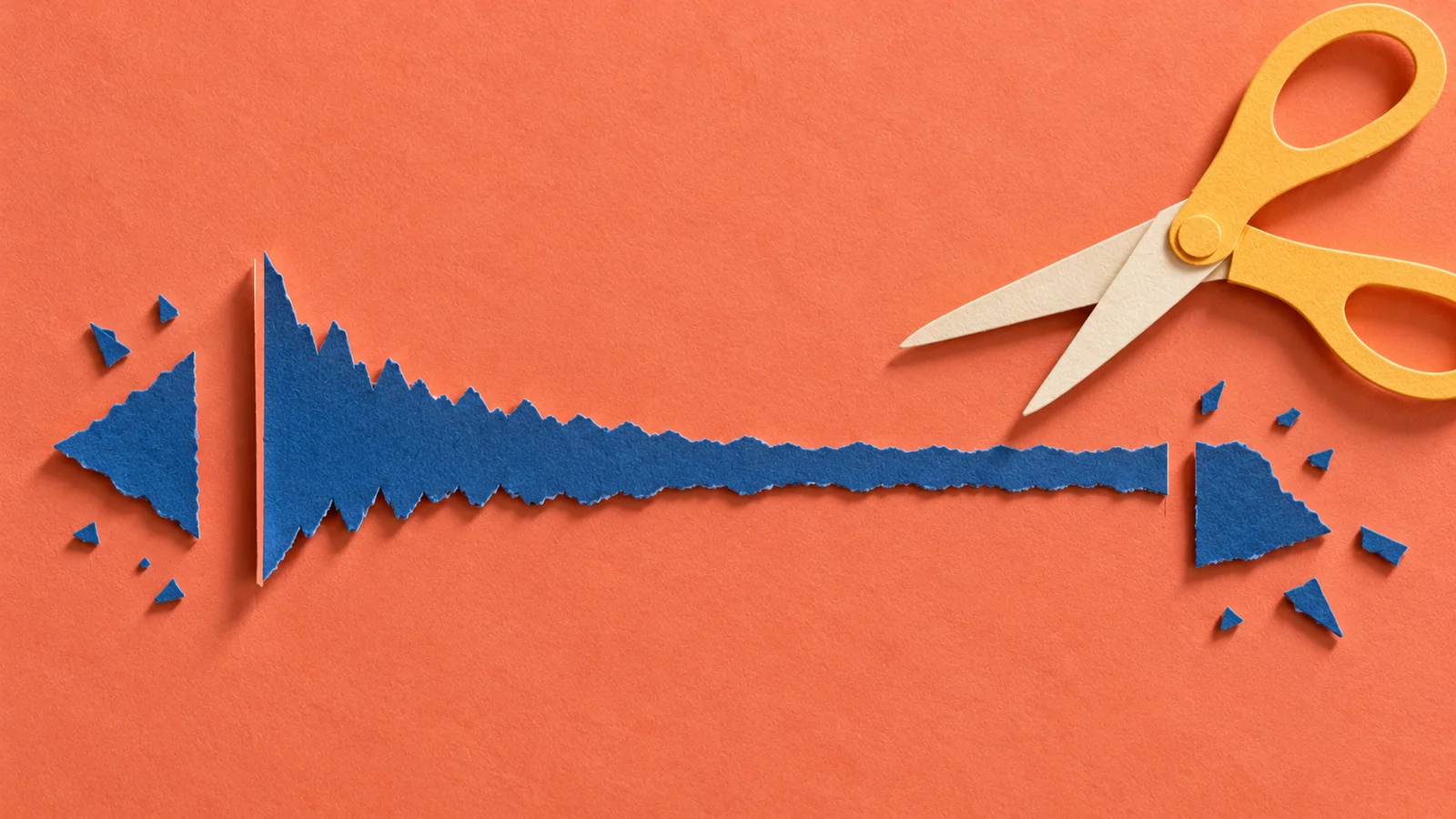
Fix accidents: a take that's clearly too loud gets turned down; a take that starts late gets trimmed to match. Don't try to make them identical. The small differences are the whole point. If one take is genuinely a different sound (it caught the rim, say), move it into its own articulation rather than forcing it into the group. Generated hits raise the same question at kit scale: Generate a drum kit shows how to pick candidates that belong together instead of five unrelated winners.
Make it yours
Record two to four takes of one sound you love: a snare, a hand on a cajón, a tap on a glass. Note which take is which and anything you changed.
Map them as a round robin on one key. Play a steady four-beat pattern, then a fast roll, then put the sound in a real phrase with accents. Listen for a take that keeps landing on the same beat. Try in-order and shuffled and keep the one that sounds most like someone playing.
Save the instrument with a single-take version beside it. Flip between them: if the round robin doesn't sound clearly better in your music, you've learned something too.
Quick check
- You give each repeated hi-hat a random velocity, but the part still sounds programmed. Why? Velocity only changes level (unless the kit has velocity layers). The tone of each hit is identical. Alternate takes give each hit a different sound, not just a different volume.
- With two alternating snare takes, your beat seems to have a backbeat accent you didn't program. What's happening? The second take is brighter or louder, and A, B, A, B puts it on beats 2 and 4 every bar. Match the takes more closely, add a third, or shuffle the order.
- You switch to fully random take selection and occasionally hear the same take three times in a row. Is it broken? No. True random can repeat; each choice ignores the last. Use a shuffle mode that plays every take before repeating.
Next steps
- Go deeper: Shipping a sample library. Your instrument plays well for you. Will it work for someone opening it for the first time, and are you allowed to share it?
- Use it: Drum programming. Combine take variation with accents and timing.