Blog
Musical ideas, artist stories, and the questions shaping our instruments and research.
How to suggest a music AI model
Help other musicians find a model by sharing what it does, who made it and the sources that explain it.
Latest
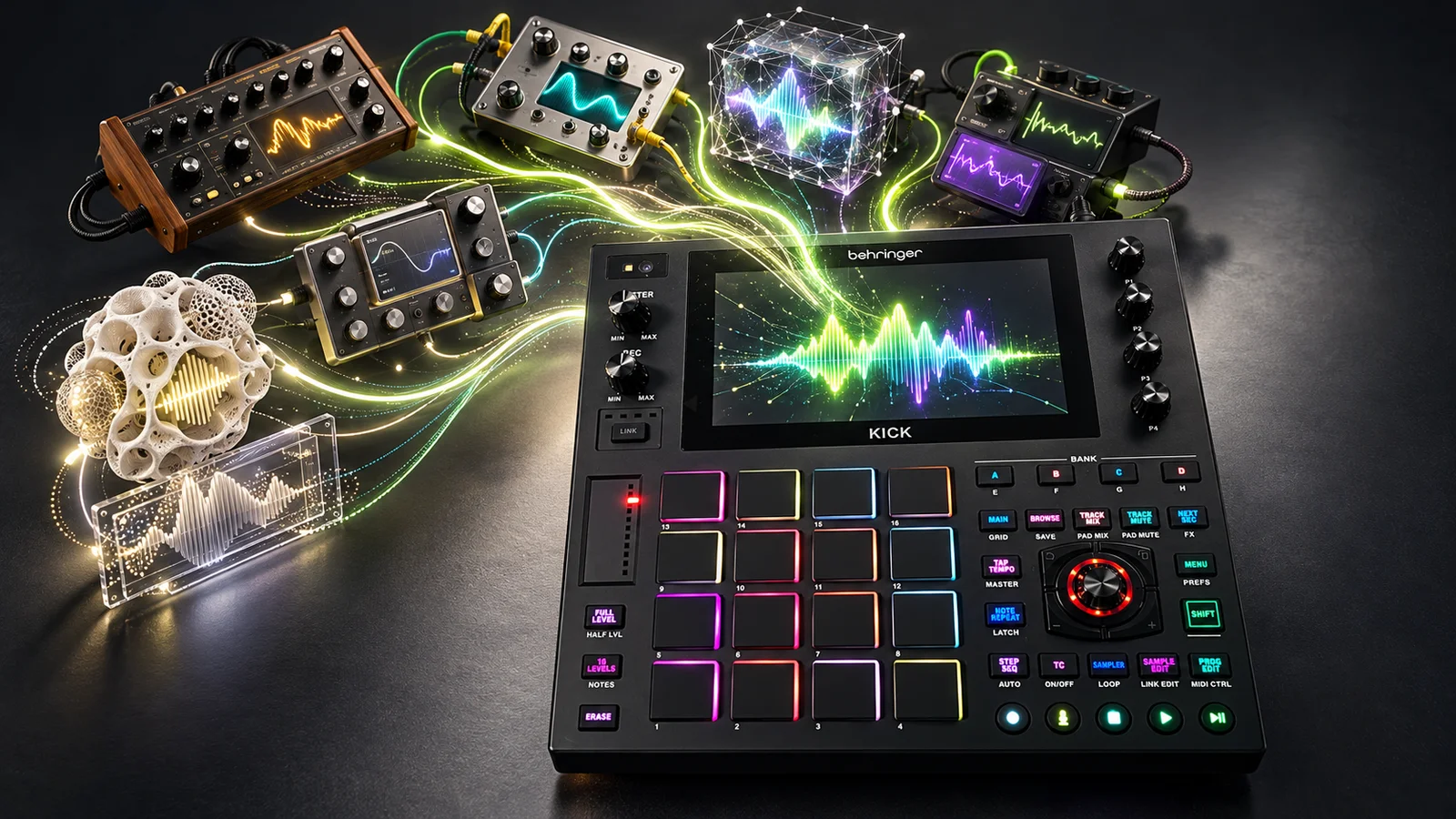
Behringer KICK: an MPC-style workstation with open-source software
A familiar pad-based workstation with an unusual invitation: change the software. Our first look at Behringer KICK and the opportunities we are exploring for Maru.
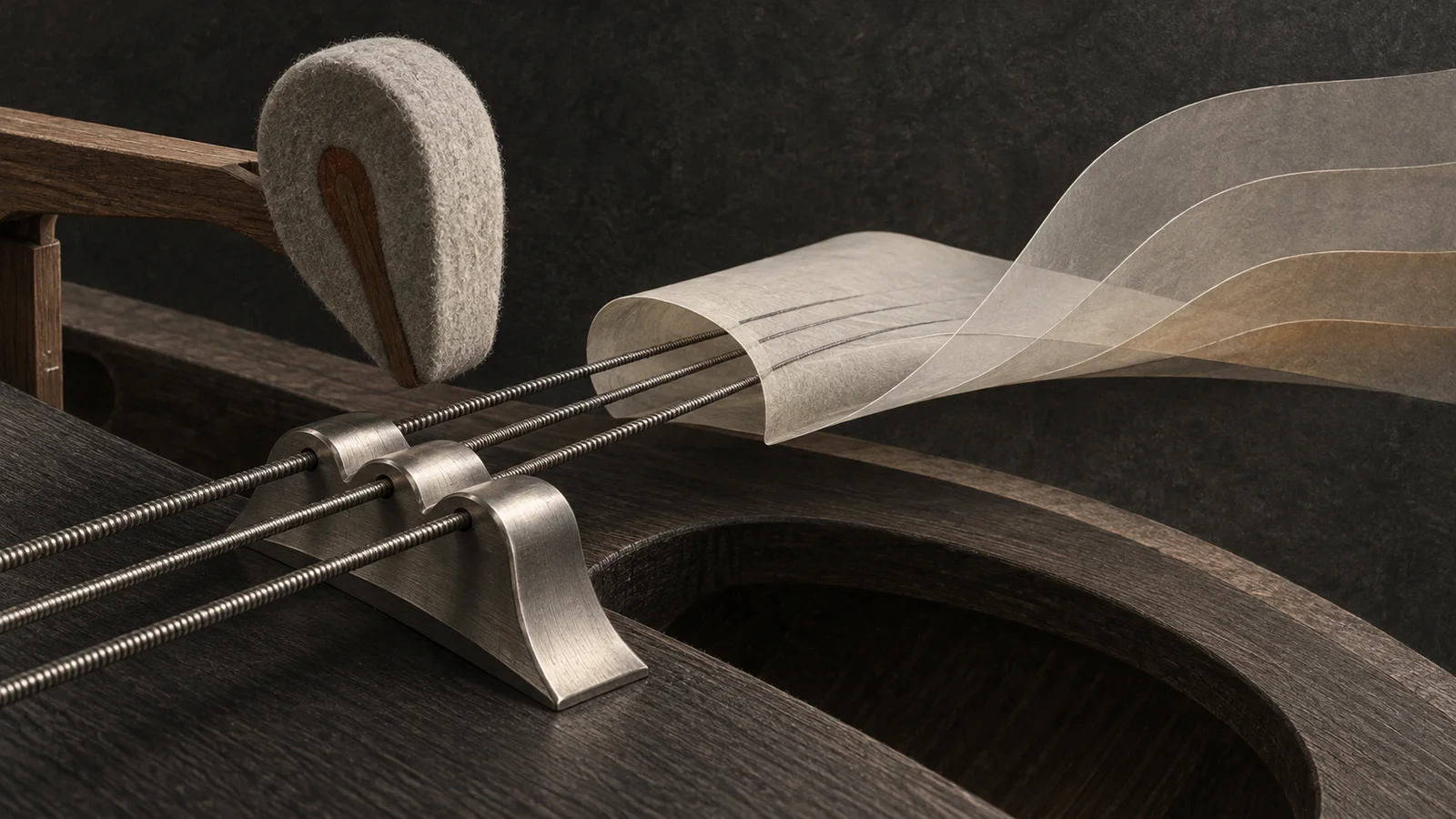
AudioFit: fitting a physical-model piano to real recordings
AudioFit lets an agent measure an editable synth against recordings, test DSP hypotheses in the real engine and tune them. Our first target, a physical-model piano, isn’t there yet, but it taught us a lot.
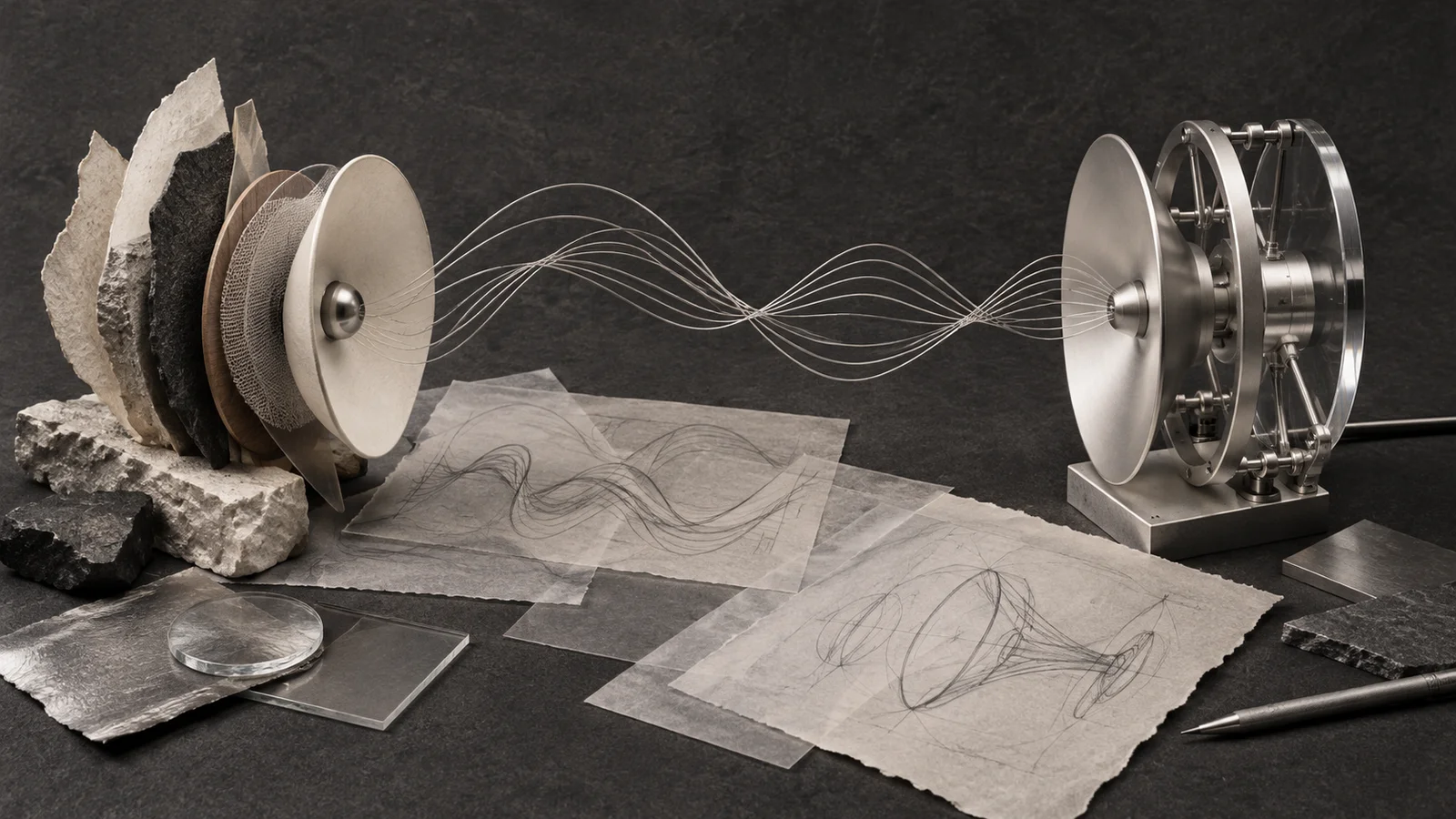
What makes a drum kit work?
A kit needs shared character and different musical roles. What that means for our drum-generation research, and the questions we’re taking to ISMIR and ADC.
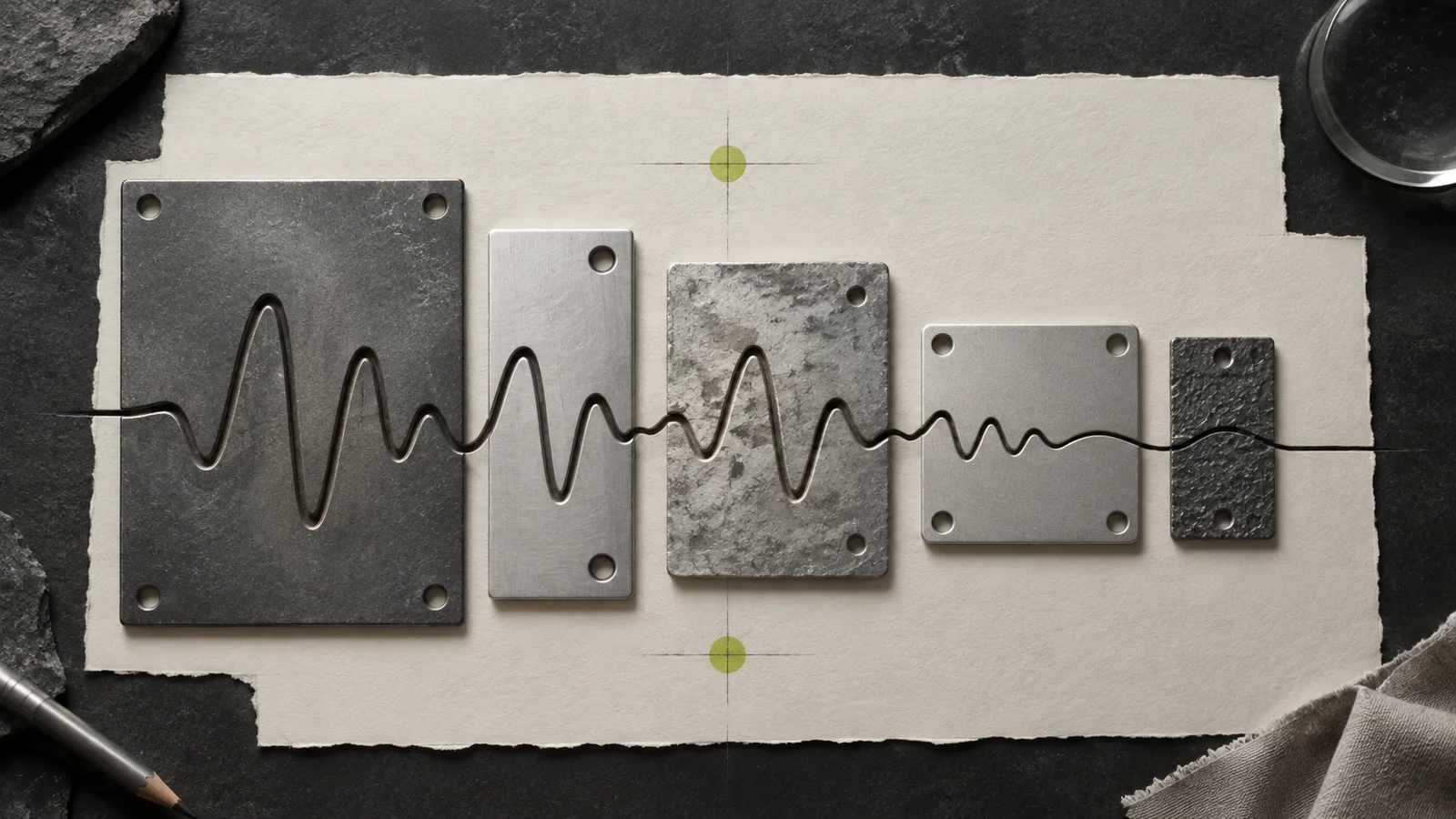
What changes when an instrument becomes a pedal?
A footswitch gives your feet a musical role. Why our hardware experiments begin with the actions a player wants to make during a song.
AI for the people making music
The creative value of a generated idea becomes clearer when you try to change it. Why keeping what you like matters to Maru’s AI research.
From vocal chain to Sparklizer
How Jazz Calls Home’s recurring vocal effect became Sparklizer, and why an artist’s way of working can be the best starting point for a new tool.
An ambitious weekend at Montreal Music Hackspace
Felix joined fellow musicians, researchers, and makers to explore a MIDI loop generator, a morphing beatbox, and two hardware pedal targets in one ambitious weekend.
How Gamelan models bronze
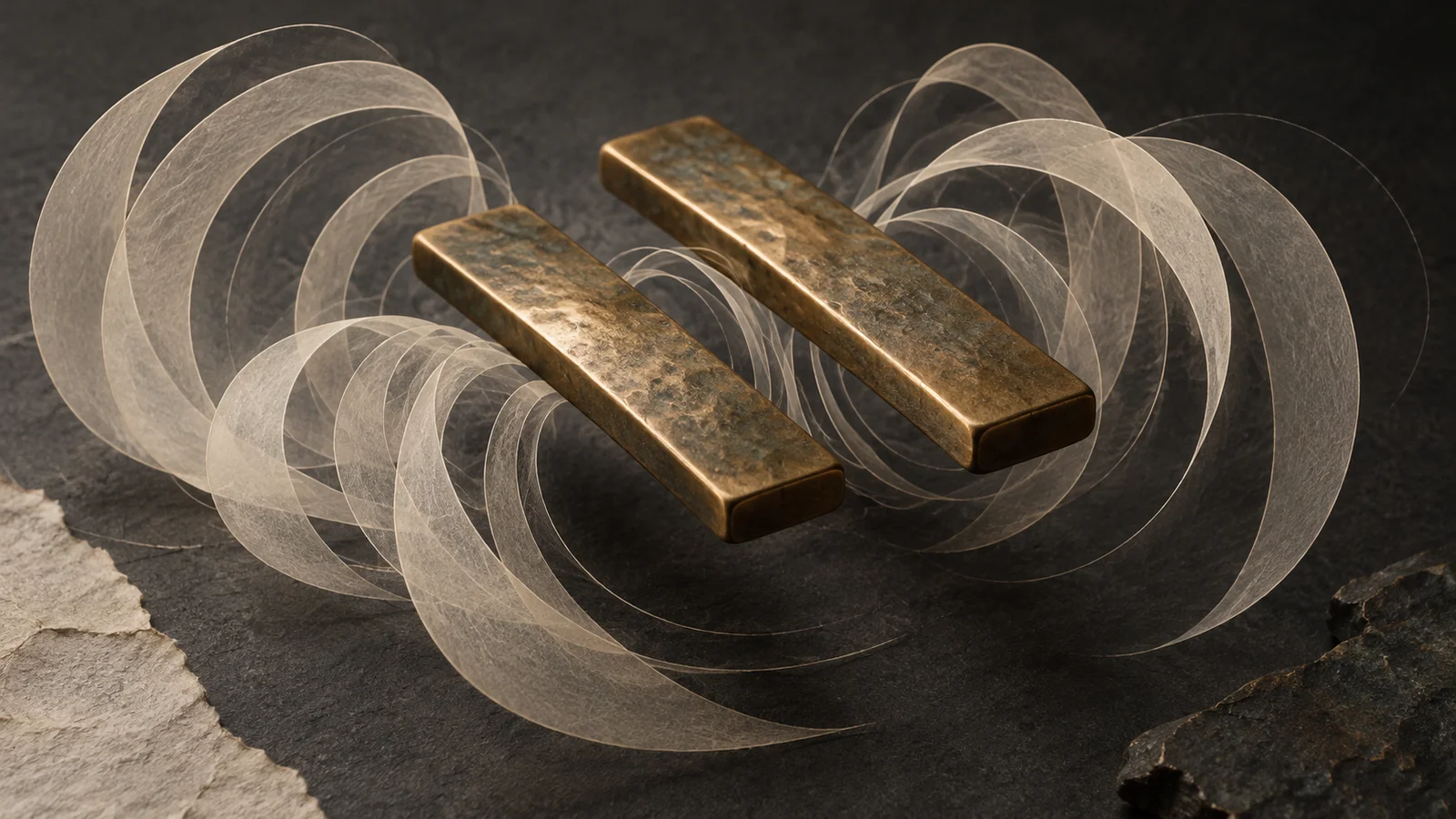
Why a bronze instrument rings differently, how tuning and paired beating shape its character, and what a model makes available to a player.
Play the movement, not just the notes
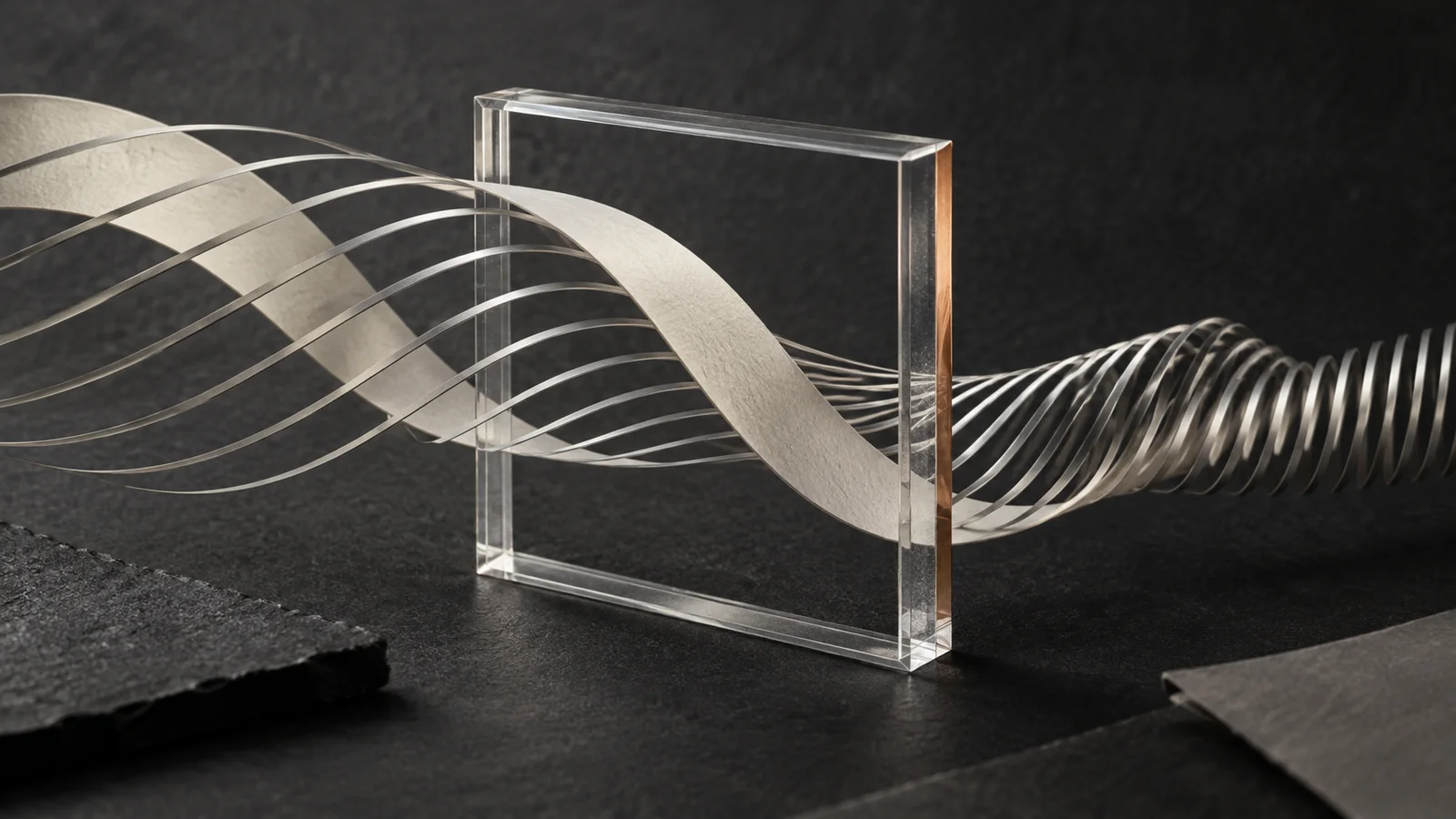
A held note can brighten, swell, or begin to tremble. How camera gestures could give a performer another way to shape the phrase while their fingers keep playing.