Leo Kuroshita (Hügelton Instruments)
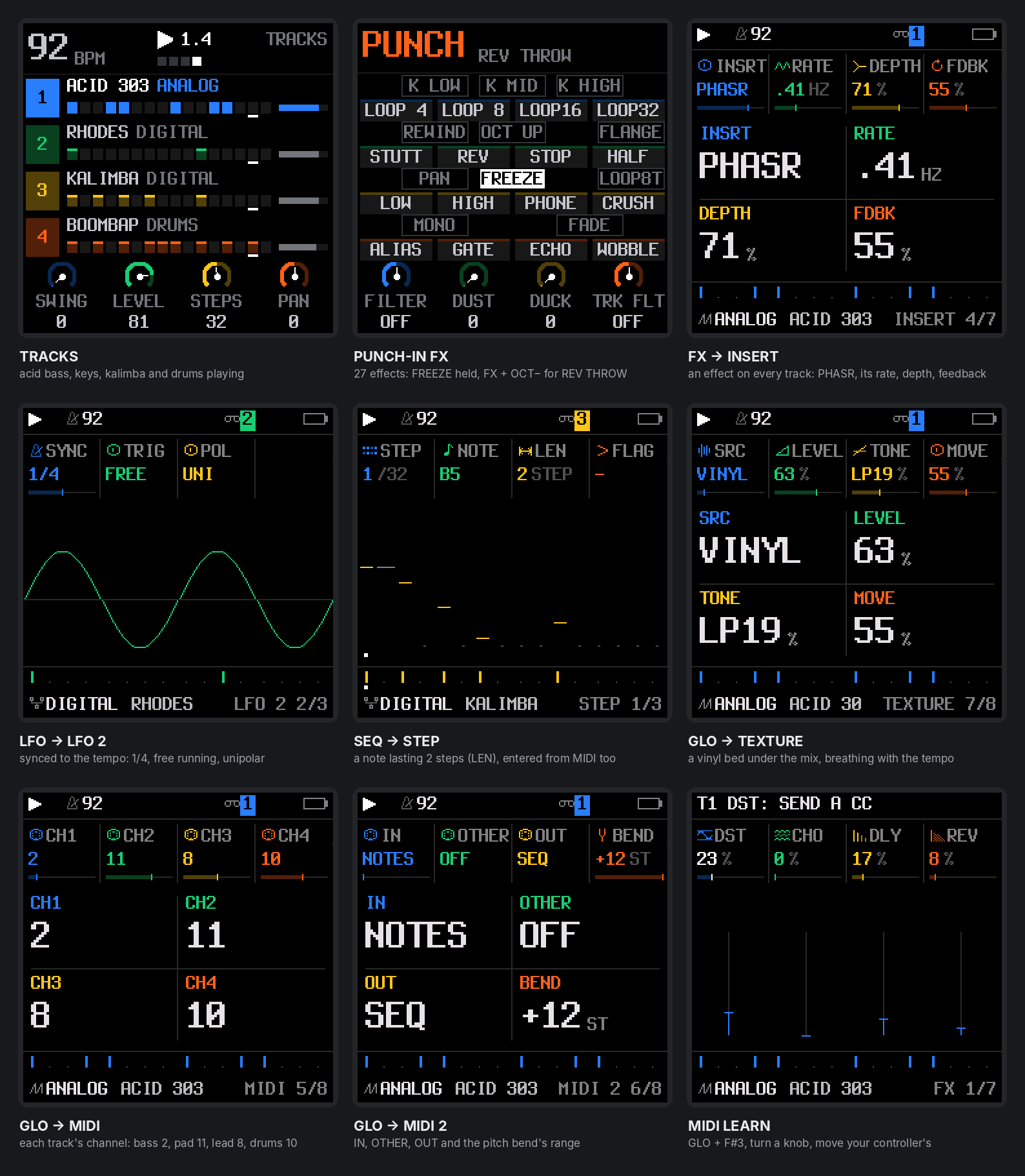
Multi-engine synth with four tracks and a 64-step sequencer.
SynthBetaOpen source
v1.5.1
Take your gear further. Discover new software for the devices you own, build on someone else’s ideas, or create something of your own.
Maru brings a shared DSP library and tools for building across platforms. We’re extending that foundation to more devices, so the same musical algorithms can power a plugin, a web instrument or your own hardware—without starting again for each one.
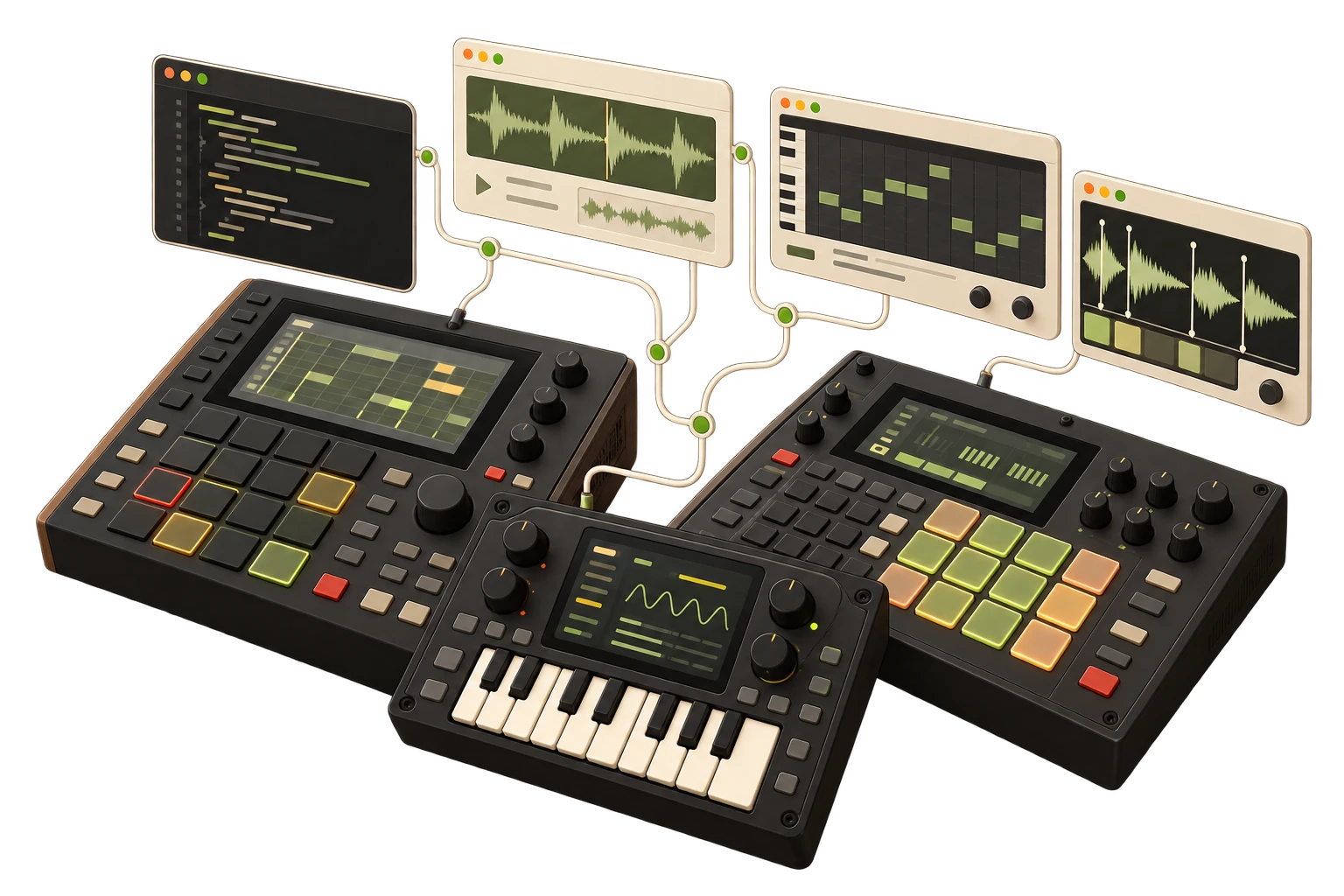
New synthesis engines, sampling and sequencing on the same pocket instrument. Explore what each project changes and the code its creators share.
Leo Kuroshita (Hügelton Instruments)
Multi-engine synth with four tracks and a 64-step sequencer.
v1.5.1
3dSam
Four-track groovebox with 37 drum kits.
v2.6
zvenson
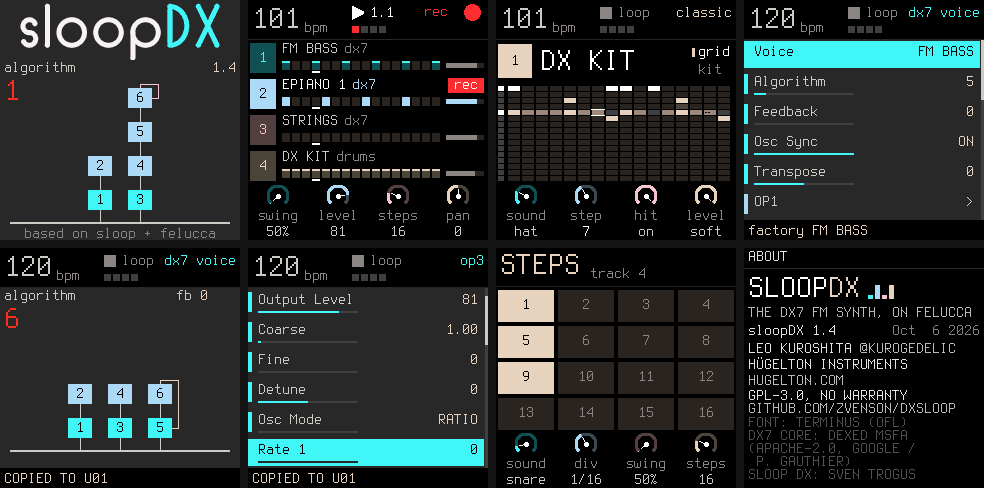
SLOOP workflow with a single DX7 engine ported from Dexed.
3.4
The FM-1 movement
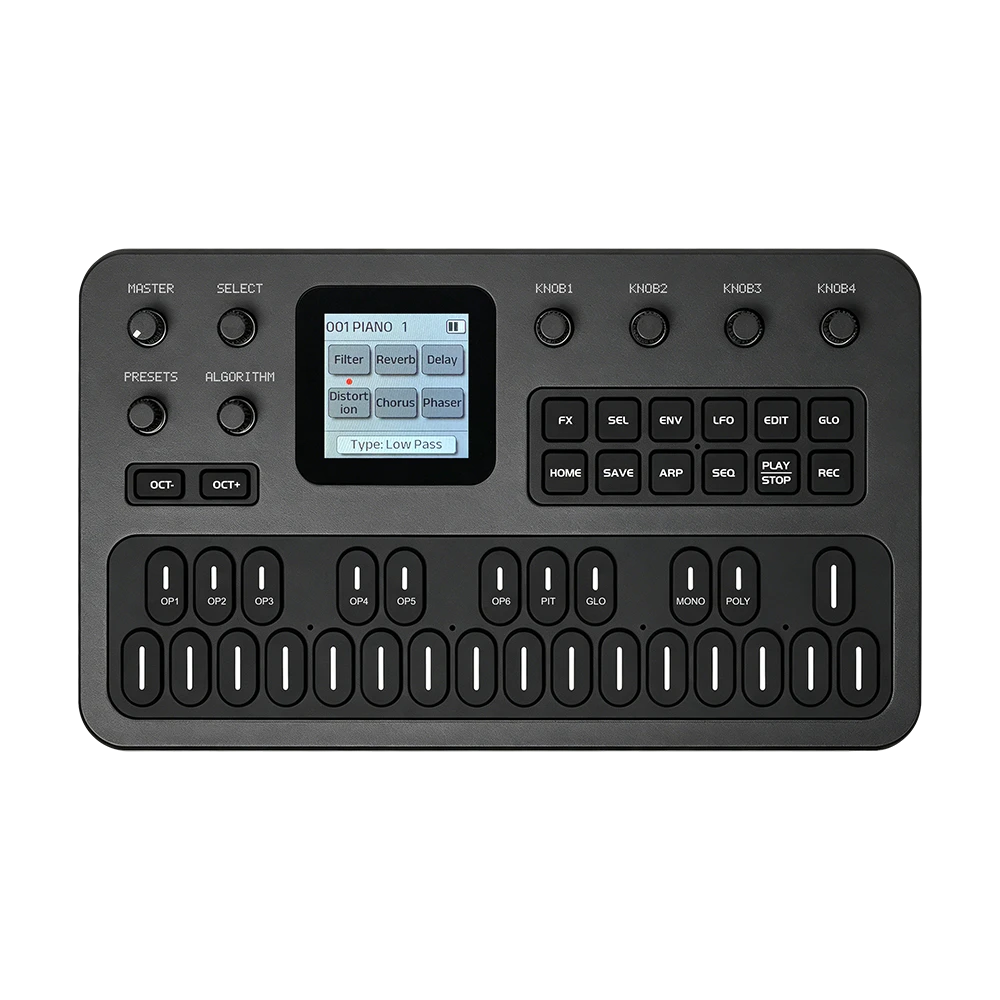
A small, affordable instrument with keys, knobs, a screen and a speaker. Community developers saw room for new synth engines, samplers and sequencers, and started making them.
The FM-1’s community-built firmware is open source where its authors choose it. The device itself is not an open-hardware design. Its documented update path is what makes these experiments possible.
An instrument shouldn’t need a different codebase for every place you want to play it. Maru’s shared DSP library and microcontroller targets provide the foundation. We’re extending it to more device platforms.
Keep the synthesis, effects and parameter behavior together. Adapt the controls and connections to the hardware. Improve the engine once, then build and test the versions you want to share.
Explore the toolkitYour sound engine
Plugin controls, automation and presets.
An interactive preview people can open with a link.
Firmware adapted to the device’s controls and resources.
A microcontroller, custom pedal or instrument you build.
Shared musical code, target-specific builds. Availability depends on the project and target; each device still needs physical testing. Build guides describe current support and experimental paths.
People need to know which device it runs on, which version to download, how to install it and how to get back to the previous one. Creators need a way to test changes, package releases and keep that information up to date.
We’re building the same path for firmware that we’re building for plugins: edit the project, check the build, publish a version and help people install it.
Start from a project or a permitted remix. Change its sound and controls while keeping source, licence and author credit together.
Check sound, controls and performance against the exact build. Record browser, emulator and physical-device results separately.
Attach versioned files, compatibility information and release notes to the project so people can find the right build.
Guide people through the device’s installer, prerequisites and recovery steps, then help them keep track of updates.
Today, the catalog links to authors’ releases and installation instructions. Maru’s development tools provide build and diagnostic workflows for supported targets. Integrated firmware publishing and installation are in development.
Build & publish with Maru