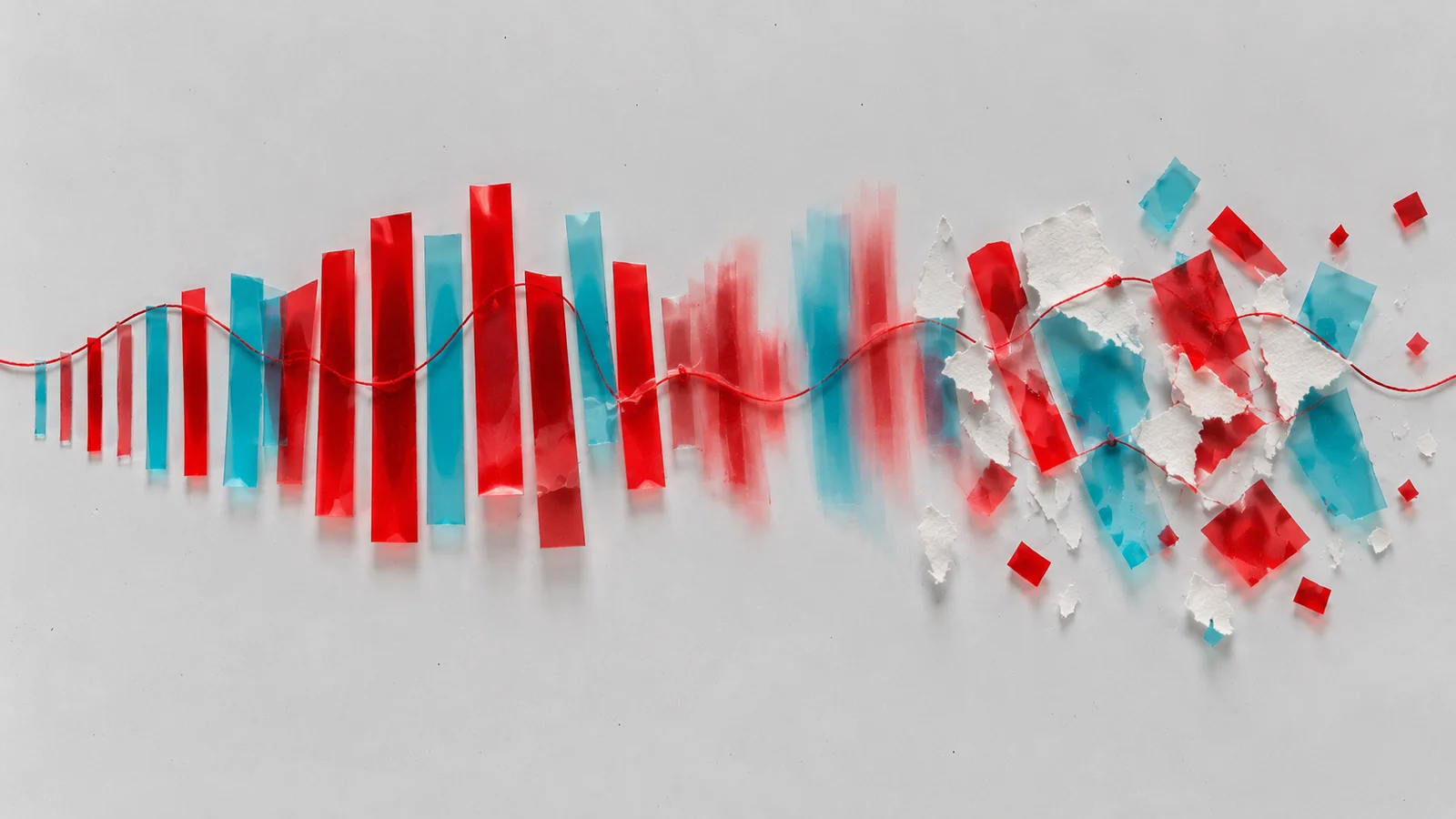
Press play. A clean electric guitar, and on top of it the sound of a thousand records from the late seventies to the early nineties: wide, glassy, as if two guitarists were playing the same part and never quite agreeing. That's a chorus. Its cousins, the flanger and the phaser, share its family name ("modulation effects") and almost the same recipe. Yet one sounds like a jet passing overhead and the other like the guitar is slowly saying "wah-oh-wah".
Before you read on: all three blend the sound with a slightly altered copy of itself. So what makes them sound so different?
As you shorten the Delay towards 1 ms, does the shimmer stay a shimmer?
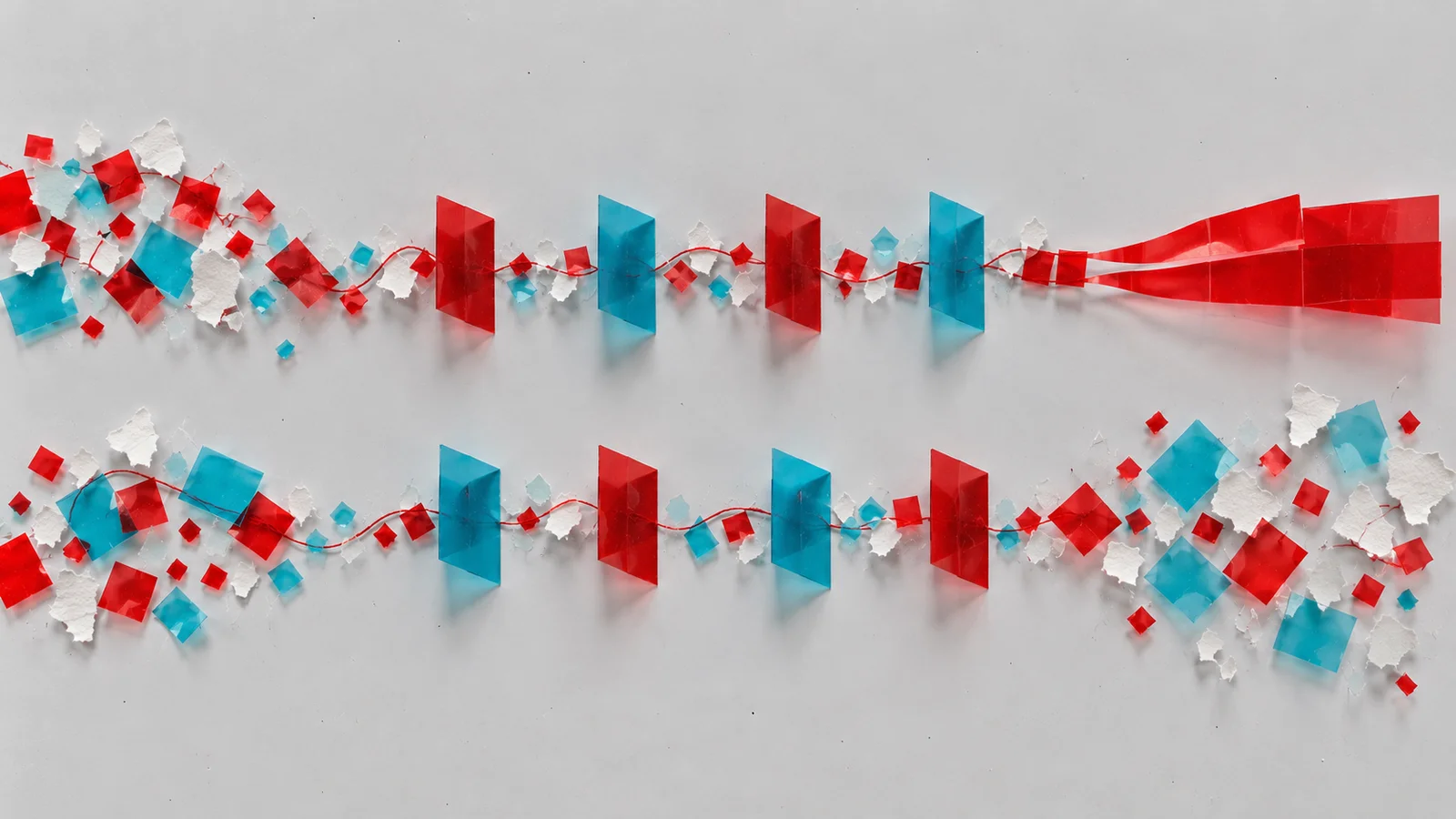
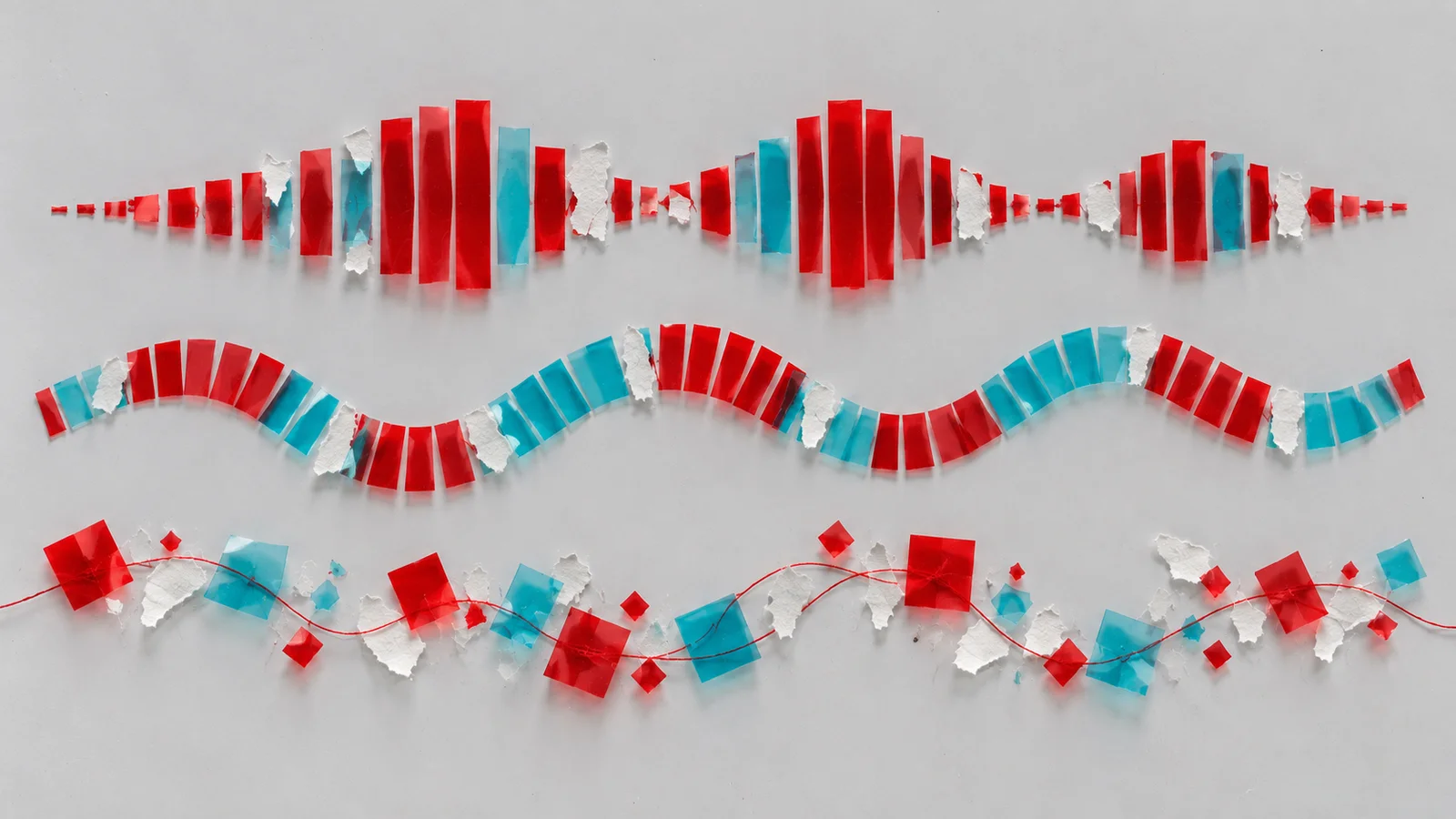
One guitar, two players
Electric Guitar: Andy G. Cohen, CC BY
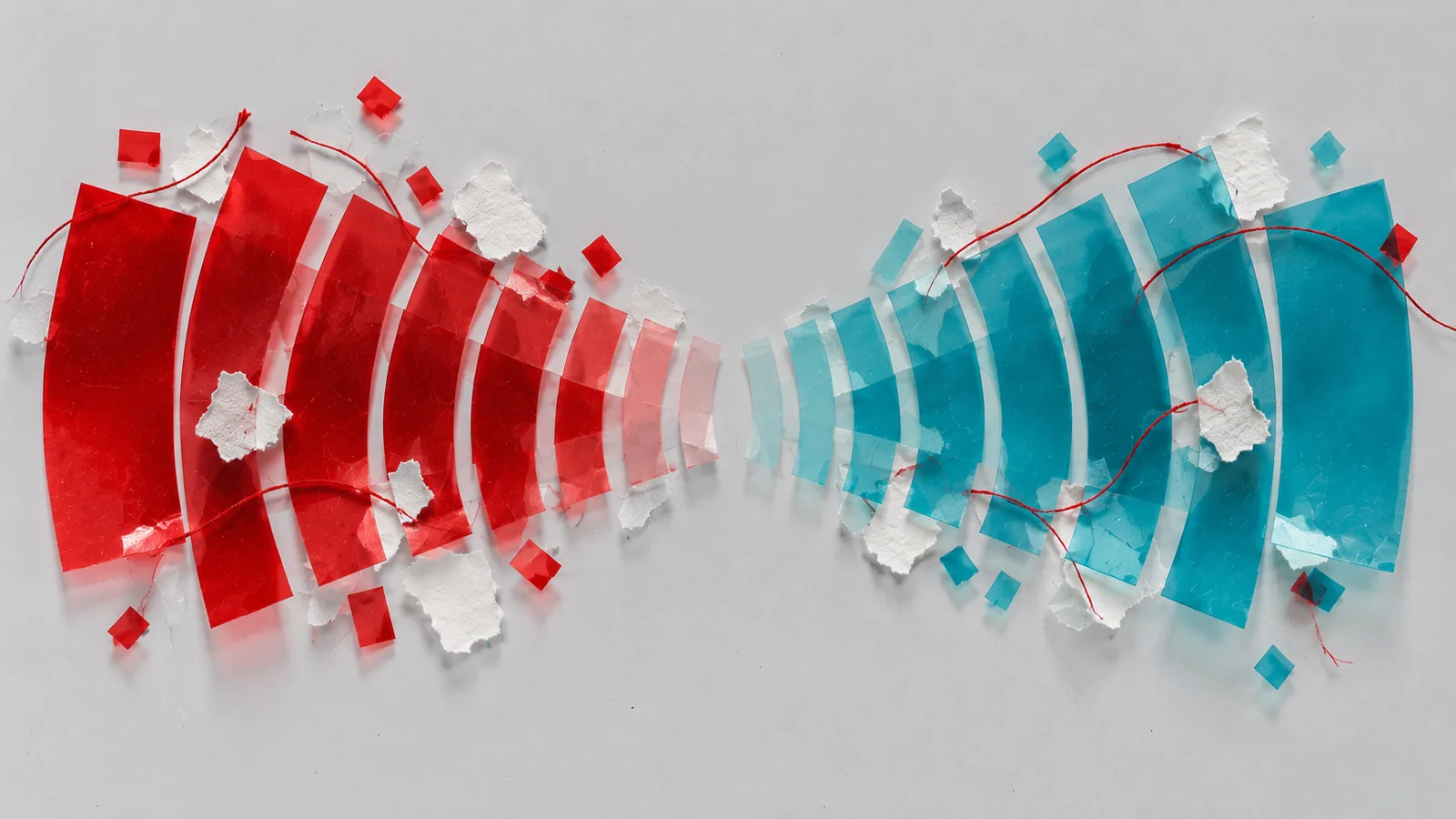
Chorus: a copy that can't hold its pitch
A chorus delays a copy of the sound by somewhere around 5 to 30 milliseconds, then keeps nudging that delay longer and shorter. When the delay is shrinking, the copy plays back a touch fast and its pitch rises a little. When it grows, the pitch sags. Mix that drifting copy with the original and you get two voices that are almost, but never exactly, in tune.
That near-miss is the whole magic. Two singers or two string players on the same line never match perfectly, and the slight disagreement is what makes a section sound rich instead of thin. A chorus fakes it. Rate is how fast the copy drifts, Depth how far, and Delay where the drift is centred.
It's the sound of the Roland Juno's built-in chorus, of pedals like the Boss CE series, of the watery clean guitar on Nirvana's "Come as You Are". Pushed too far it stops being lush and gets seasick, which is the line you find by turning Depth and Rate up together.
Now try the question in the lab. Shrink the Delay to 1 or 2 ms. The pitch wobble fades and a hollow, whooshing colour takes over. You've crossed into flanger territory.
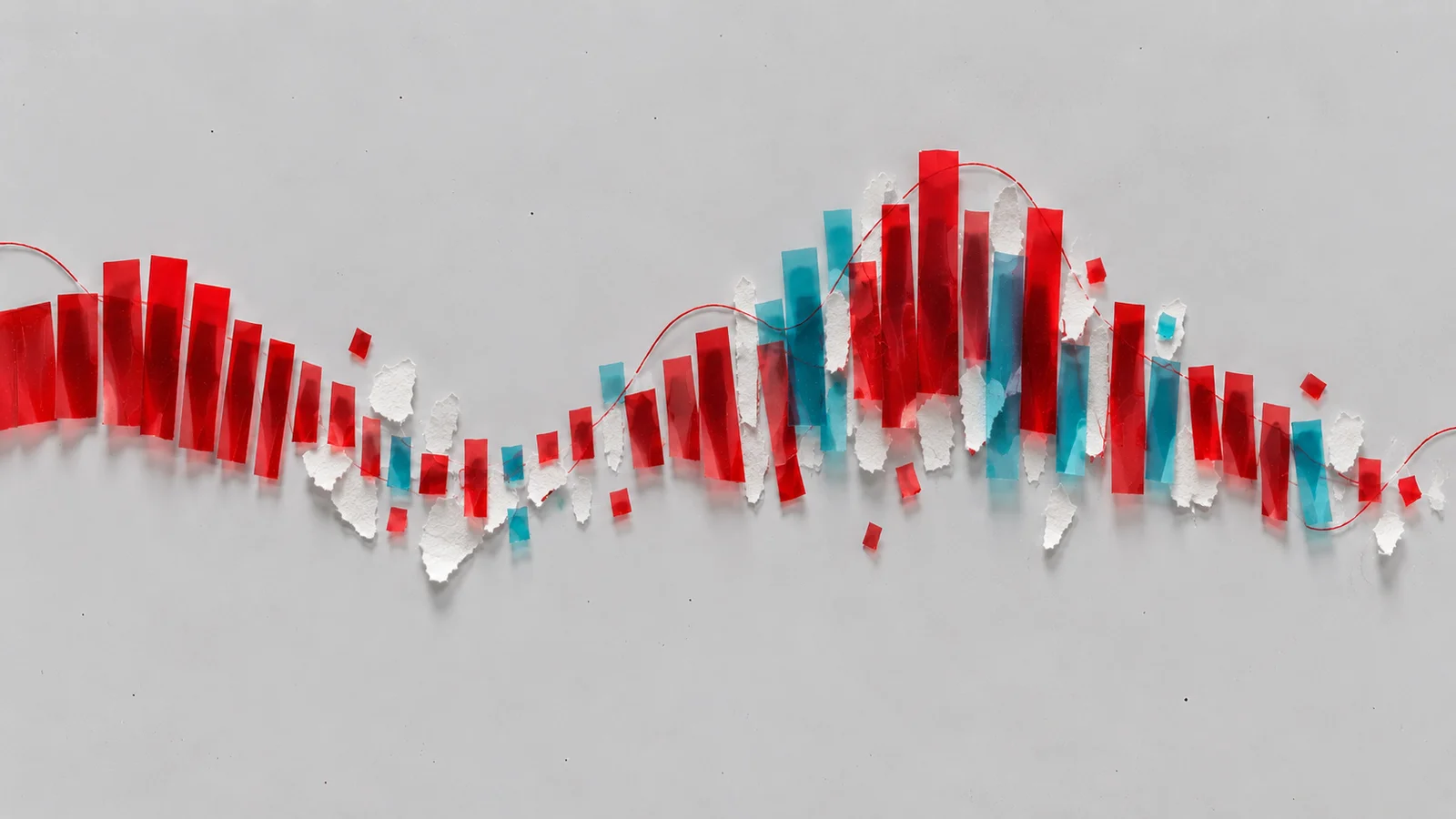
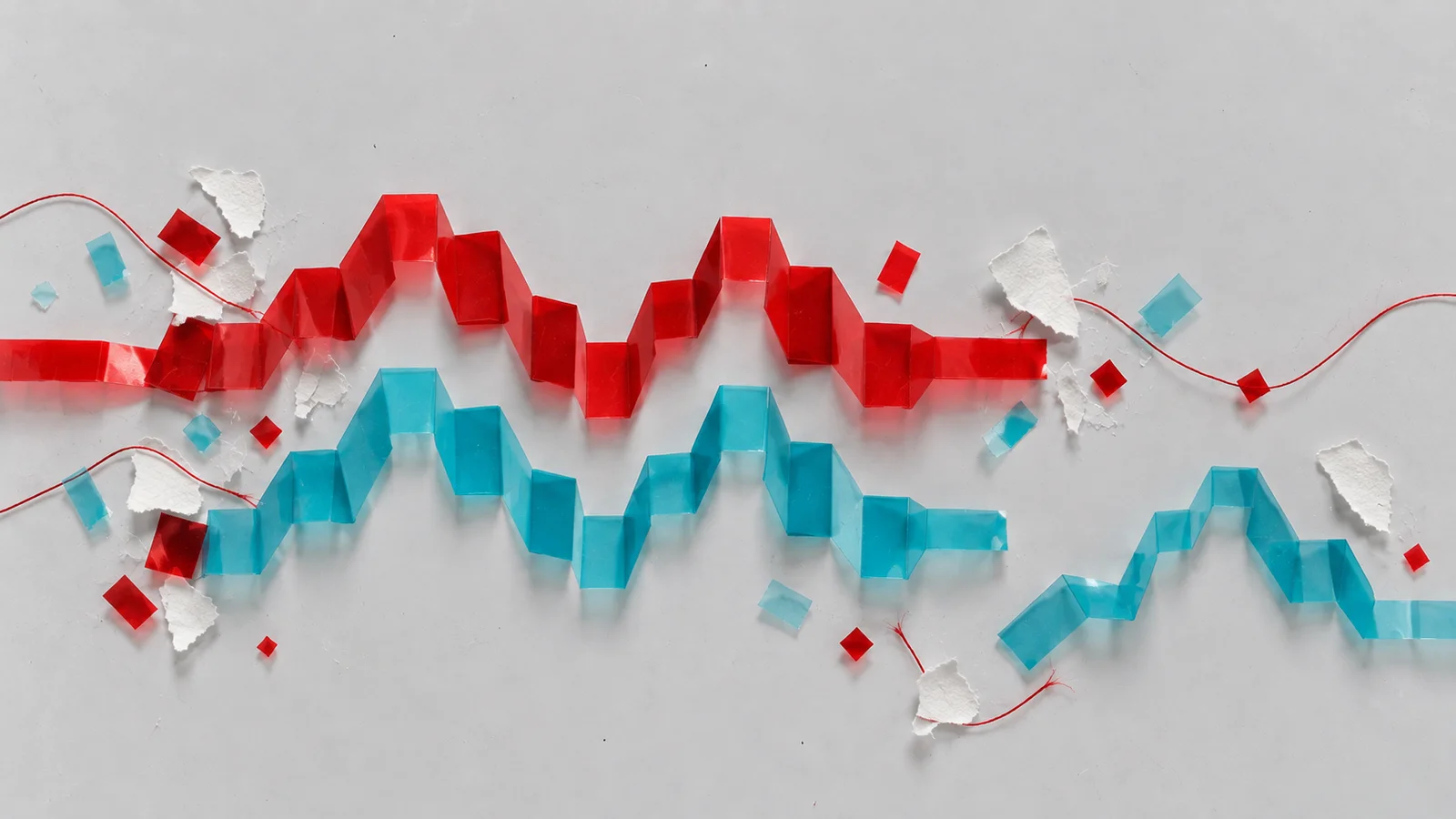
Flanger: a comb that moves
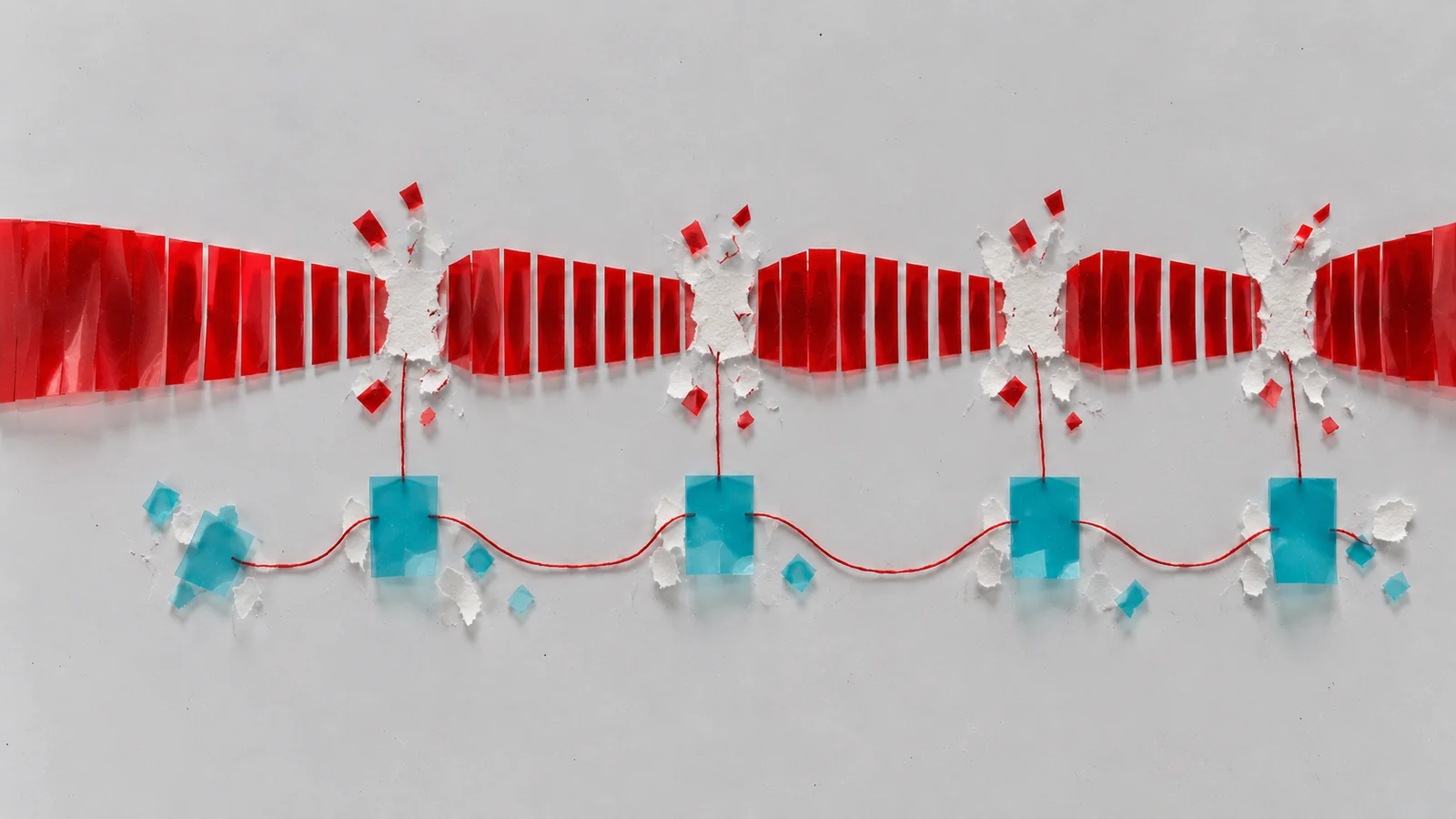
When you mix a sound with a copy delayed by a very short time, some frequencies line up and get louder while others arrive exactly out of step and cancel. With a 1 ms delay, 500 Hz cancels, and so do 1500, 2500, 3500 Hz and every step of 1000 Hz above. Draw the response and it looks like the teeth of a comb, which is why it's called a comb filter.
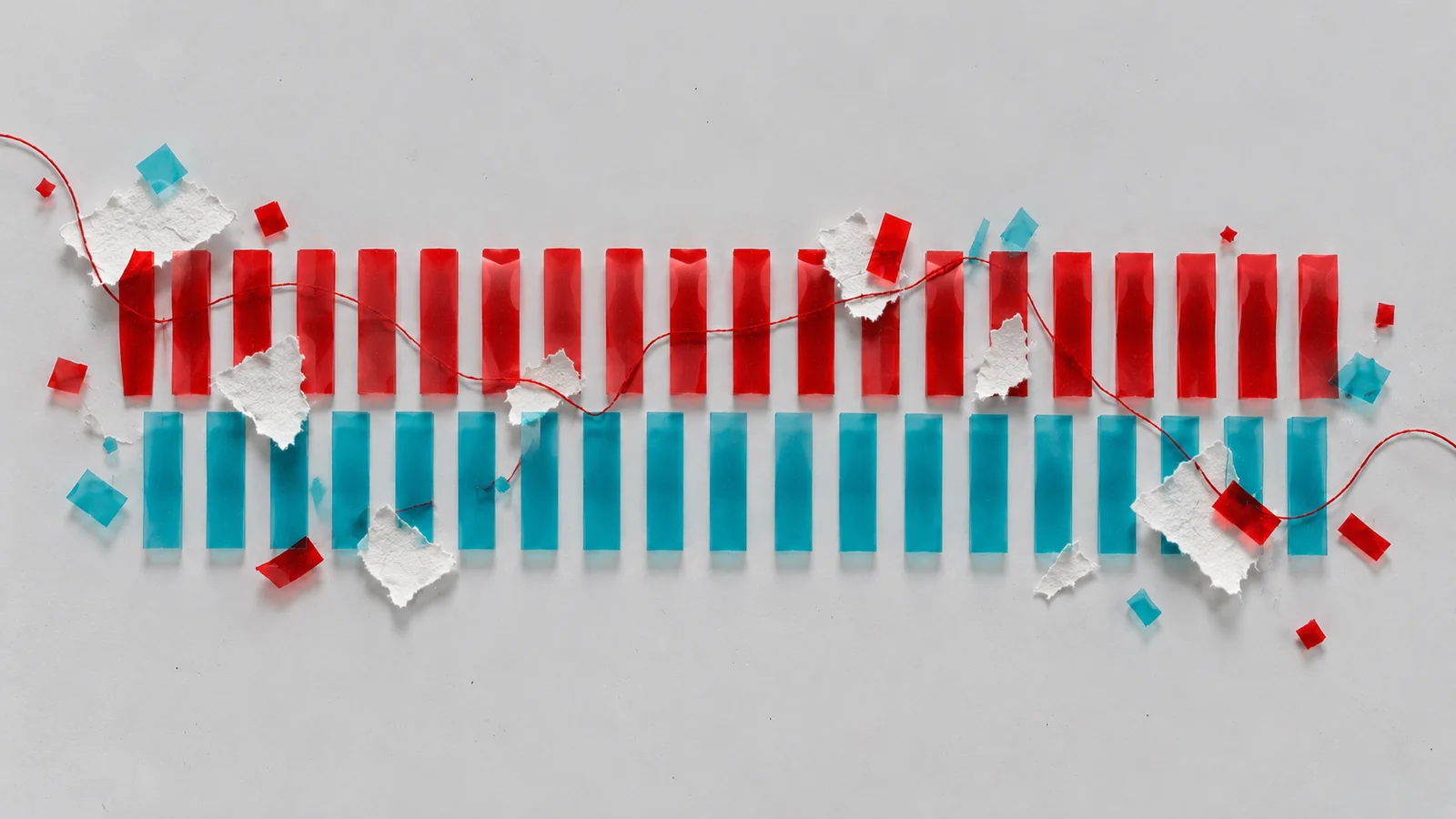
Flanger notches and phaser notches
A flanger sweeps that delay back and forth between roughly 1 and 10 ms, so the comb slides up and down. And because the notches are evenly spaced, exactly like the harmonics of a musical note, your ear hears the sweep as a pitch rising and falling inside the sound. That's the jet plane.
The name comes from the tape era: engineers played the same recording on two tape machines and slowed one by pressing a finger on the rim, the flange, of its reel. Listen to the whoosh across the Small Faces' "Itchycoo Park" for an early example of the sound.
What does Feedback do to the sweep: make it louder, or give it a pitch?
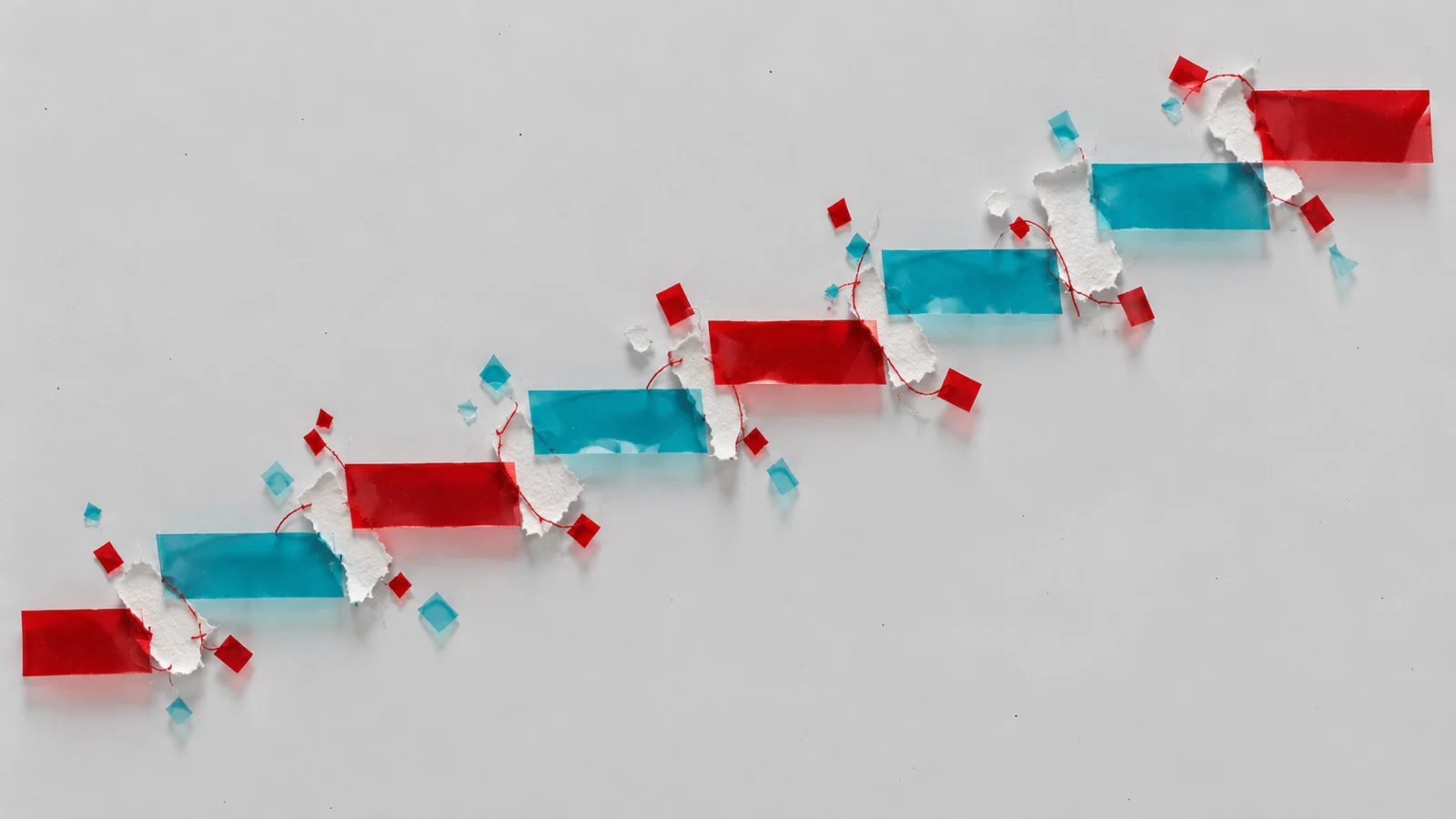
The jet
Drums and Cymbals: Steve Combs, CC BY
Cymbals are the classic flanger source because they're full of noise, energy spread across every frequency, so there's always something for the comb to carve. Feedback sends some of the output back into the delay, which deepens the notches and sharpens the peaks between them. A little gives the sweep an edge. A lot gives it a whistling, metallic pitch. Turn it down when it starts to sing louder than the drums.
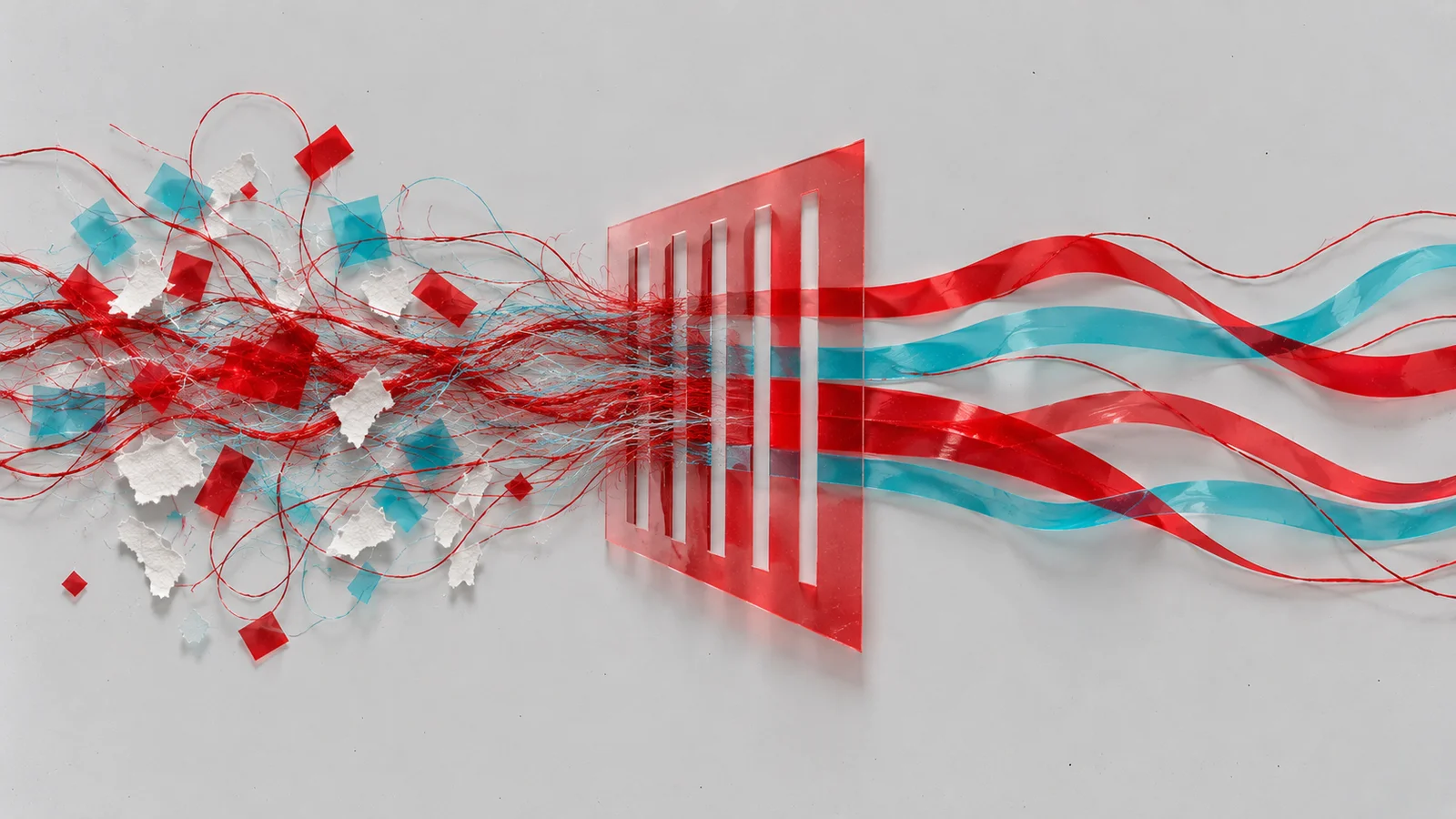
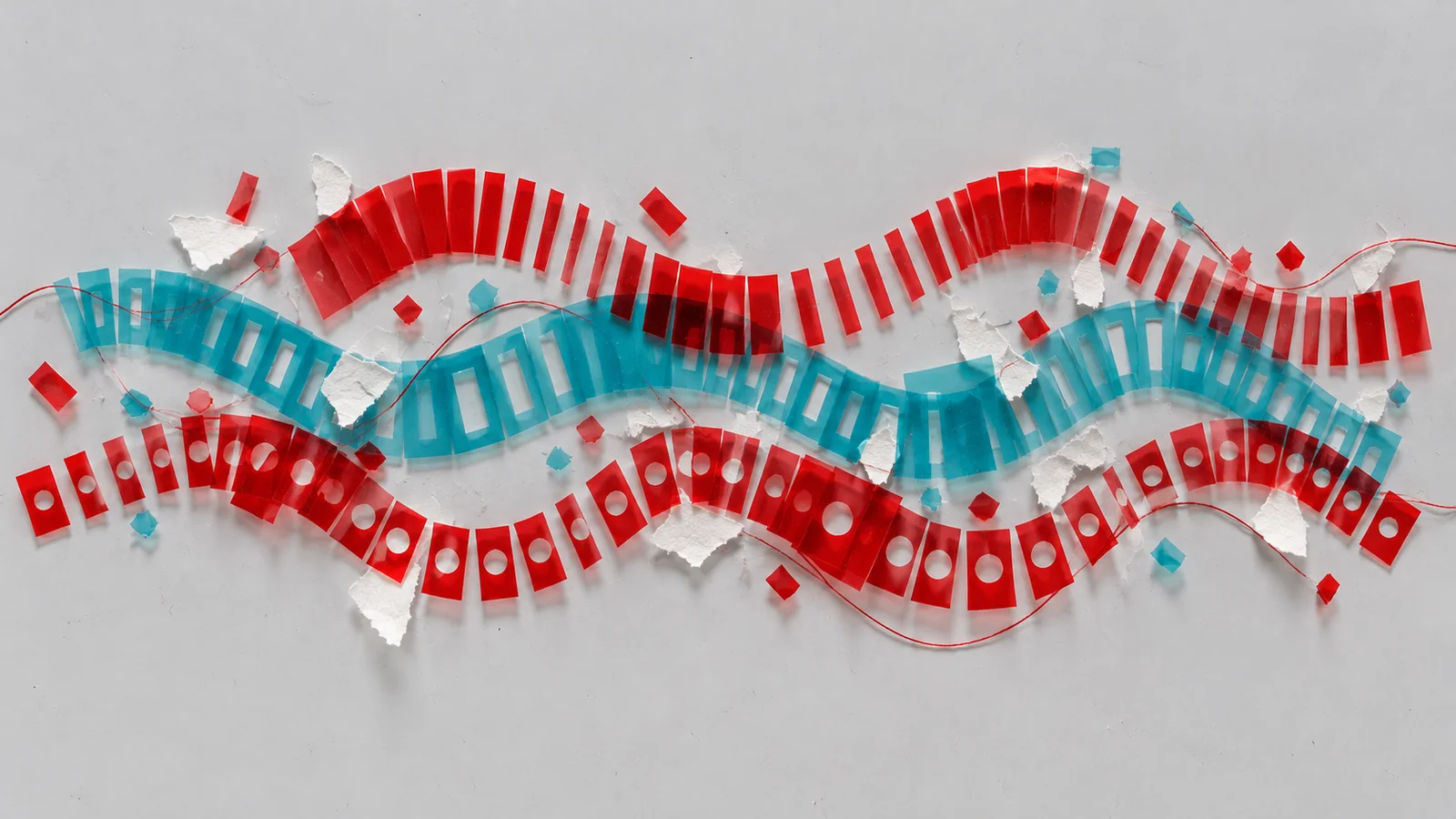
Phaser: a few notches, unevenly spaced
A phaser doesn't use a delay at all. It sends the sound through a chain of all-pass filters, which leave every frequency at the same level but shift its timing by different amounts. Blend that with the dry sound and, at the few frequencies where the shift adds up to exactly half a cycle, you get cancellations. A handful of notches, spread unevenly, sweeping together.
Because there are only a few notches and they aren't in a harmonic row, a phaser doesn't sound pitched the way a flanger does. It sounds like a mouth slowly opening and closing: rounder, softer, more like a vowel than a jet.
With the same slow sweep, why does this sound like a vowel instead of a jet?
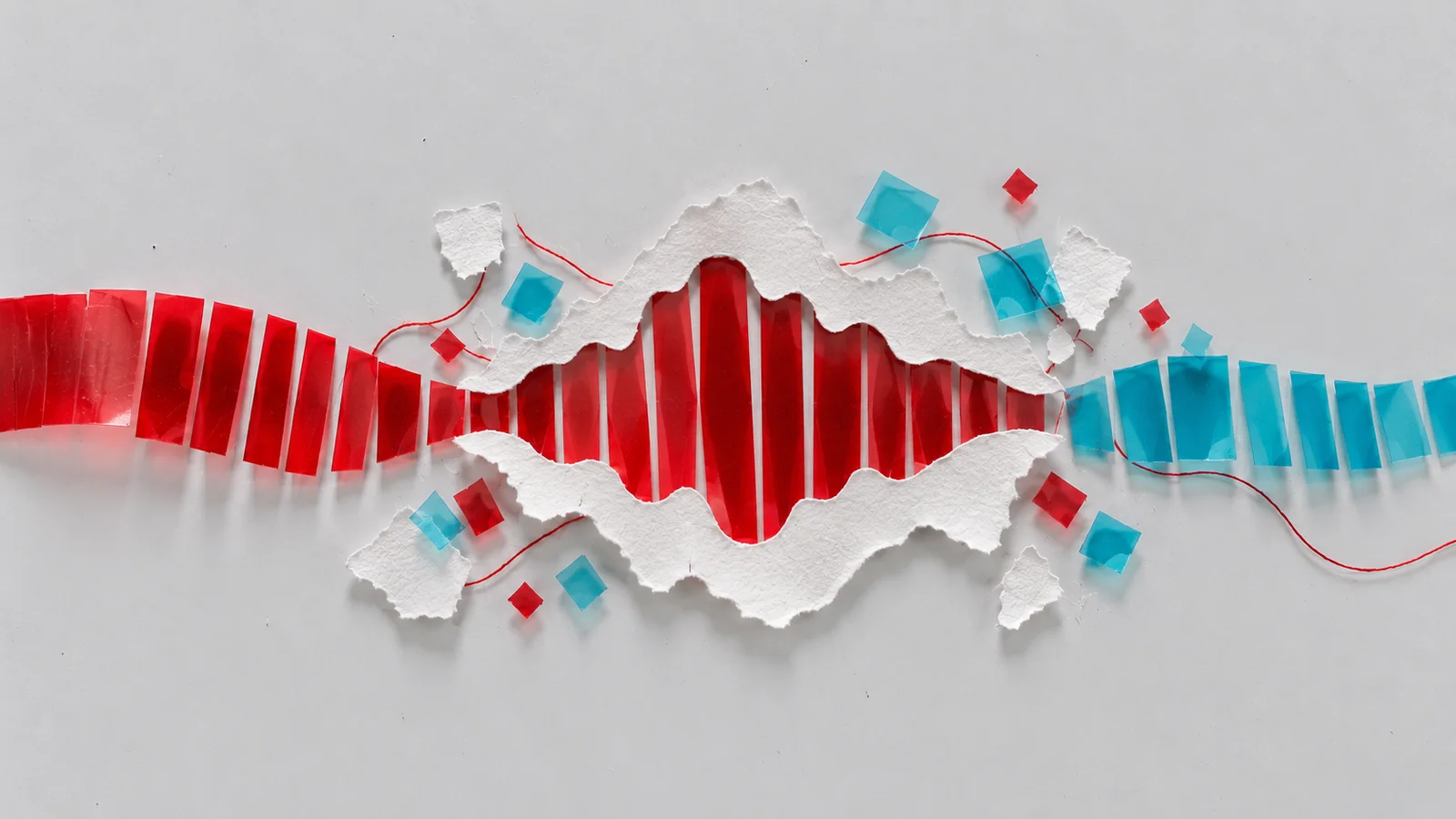
The swirl
Solo Piano: Daniel Veesey, Public domain
That swirl is all over seventies electric piano and funk guitar, and on the guitar of early Van Halen records through an MXR Phase 90. The Uni-Vibe that Hendrix used, often described as an imitation of a spinning Leslie speaker, works on the same phase-shifting idea.
So no, a phaser isn't a slow flanger. Slow a flanger right down and you still hear a comb with a pitch. The difference is in the pattern of notches, not their speed.
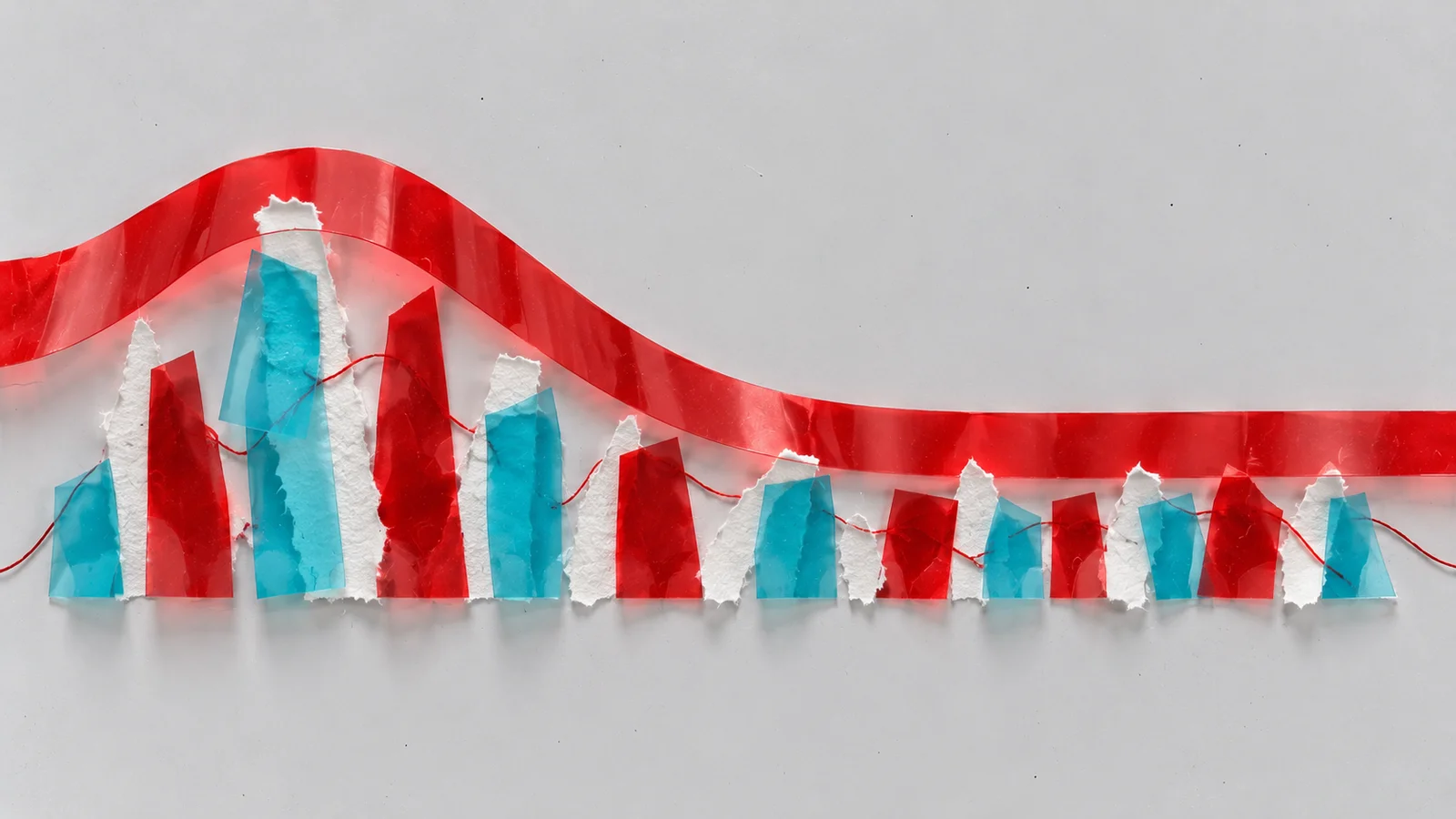
Where the shimmer disappears
Play a pure, soft sound through any of these and the effect almost vanishes. A sine wave or a round sub bass has energy at only one or two frequencies. A notch sweeping past that spot might make it dip, but there's nothing else for the pattern to carve, so you barely hear it move. Bright, busy sounds (cymbals, strummed chords, distorted guitars, saw-wave synths) give the notches a whole landscape to travel through.
The other failure is the rhythm part that loses its edge. A deep chorus on a tight funk strum smears each attack, because every hit now arrives twice, slightly apart. Ease off Depth or Mix until the strum snaps again.
Same idea, different place: the shimmer of a chorus is two almost-equal pitches beating against each other. Balinese gamelan does this on purpose: instruments come in pairs tuned a few hertz apart, so every note shimmers. See Tuning systems.
Make it yours
Pick a part of your own, a clean guitar riff, a pad or an electric piano, and decide what you want from it before you choose the effect. Wide and lush behind a vocal: chorus, slow and modest. A dramatic swoosh into a chorus or drop: flanger with some feedback. A gentle, moving colour that never draws attention: phaser at a slow rate.
Then save the one you'd use again, named for its job rather than the effect: "lush clean guitar", "drum swoosh into the drop". Next time you'll reach for the job, not hunt through three pedals.
Quick check
- You slow a flanger right down. Have you made a phaser? No. A flanger's notches are evenly spaced however slowly they move, so it still has that pitched, comb-like sound. A phaser's few, unevenly spaced notches are what give it the vocal swirl.
- A chorus on your sub bass seems to do nothing. Is it broken? Probably not. A sub bass has energy at only a frequency or two, so there's little for the effect to work on. Try it on a brighter layer of the bass instead, or on a different part.
- Your flanger has started whistling louder than the drums. Which control do you reach for? Feedback. It's what sharpens the comb's peaks into a pitched ring. Pull it back towards the middle of its range and the whoosh returns without the whistle.
Next steps
- Go deeper: Tremolo, vibrato and auto-pan. Take away the dry signal from a chorus and only the wobbling pitch is left. What is that?
- Use it: Stereo and spatial processing. Chorus is one of the oldest tricks for making a part sound wide. Find out what happens to it on a mono speaker.