Under almost every song you love there's a second melody that most people never consciously hear. Mute it and the song sags: the chords lose their floor and the drums lose their partner. Here's one on its own, four bars over the chords C, Am, F and G.
Each bar ends on a note that leads into the next chord. Move note 4 up one semitone, so bar 1 ends back on C. What does the line lose?
A bass line that walks
Loading the phrase…
While it loops, hum a long note over each bar: G, then A, then A again, then B, and back to C. You're now playing a duet. Why does this bass sound like it's going somewhere, even though it mostly plays the obvious notes?
A bass line has three jobs
A bass line usually does three things at once:
- Names the harmony. The lowest note tells your ear which chord this is, or changes it. Each bar above starts on the chord's root: C, A, F, G.
- Locks with the drums. It's the rhythm section's pitched half. The long-short-long pattern of each bar gives the groove its shape.
- Sings its own tune. The best bass lines are melodies you could hum on their own.
The line above gets its sense of motion from the last note of each bar. B steps down into A. G steps down into F. F♯ climbs into G. B climbs into C. These are approach notes: notes that aren't in the current chord's foundation but point at the next one. Move bar 1's B up to C and the line goes flat. It still names every chord correctly, but nothing leads anywhere.
Motown bassist James Jamerson was a master of this. His lines on records like Marvin Gaye's "What's Going On" weave chromatic approach notes and syncopations around the roots, and they're a big part of why those songs feel so alive. In jazz, a walking bass takes the idea all the way: one note per beat, almost every one either a chord tone or a step towards the next.
Two lines, or one line twice?
Now the bigger question: what makes a second line sound independent? It isn't a matter of using different notes.
Copying versus answering
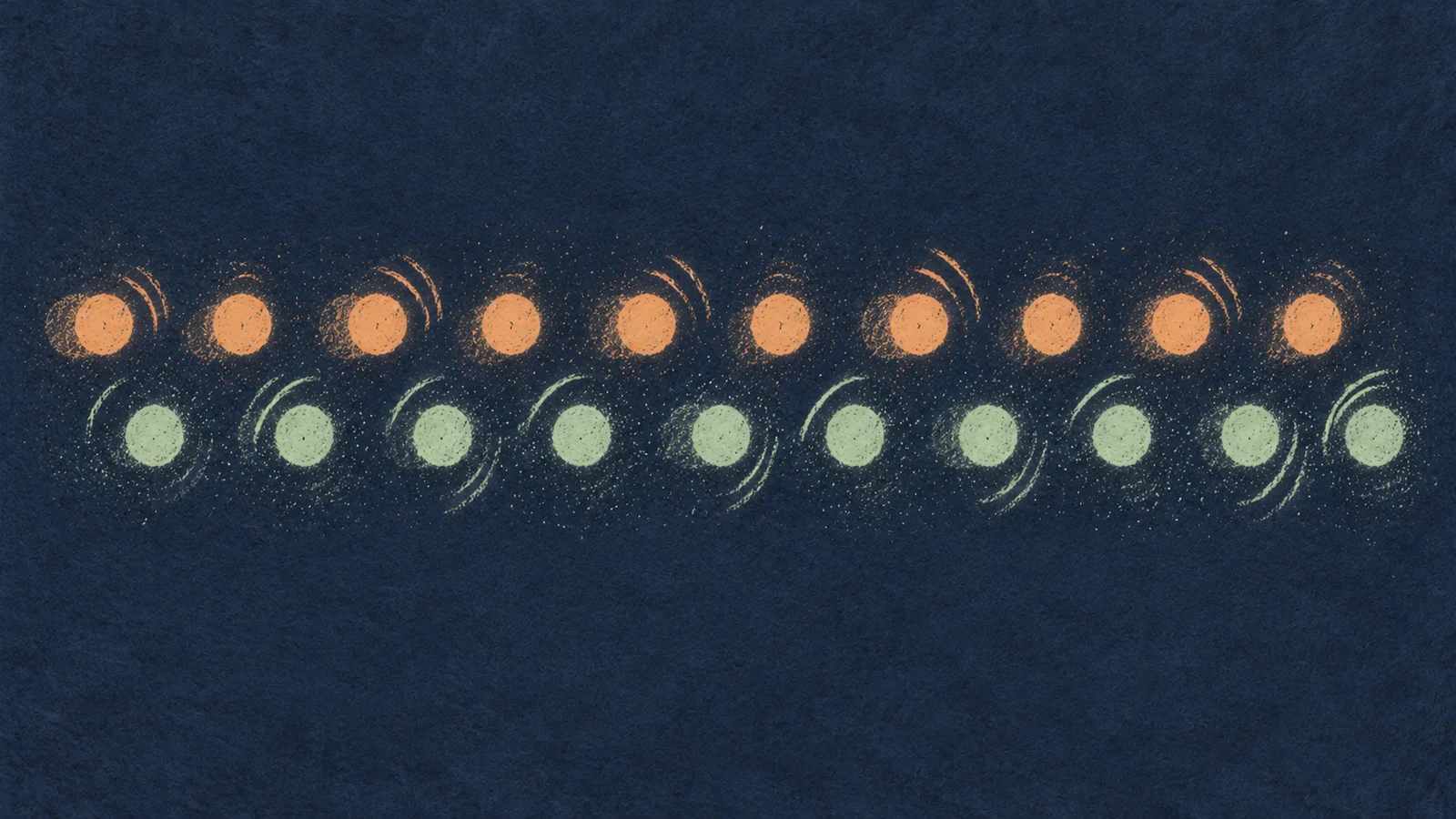
Sing or play the melody C, D, E, G with a copy an octave below. Every note in the lower part is different from the upper, yet you'll probably hear one thicker melody rather than two. The parts move together in perfect step, so your ear fuses them.
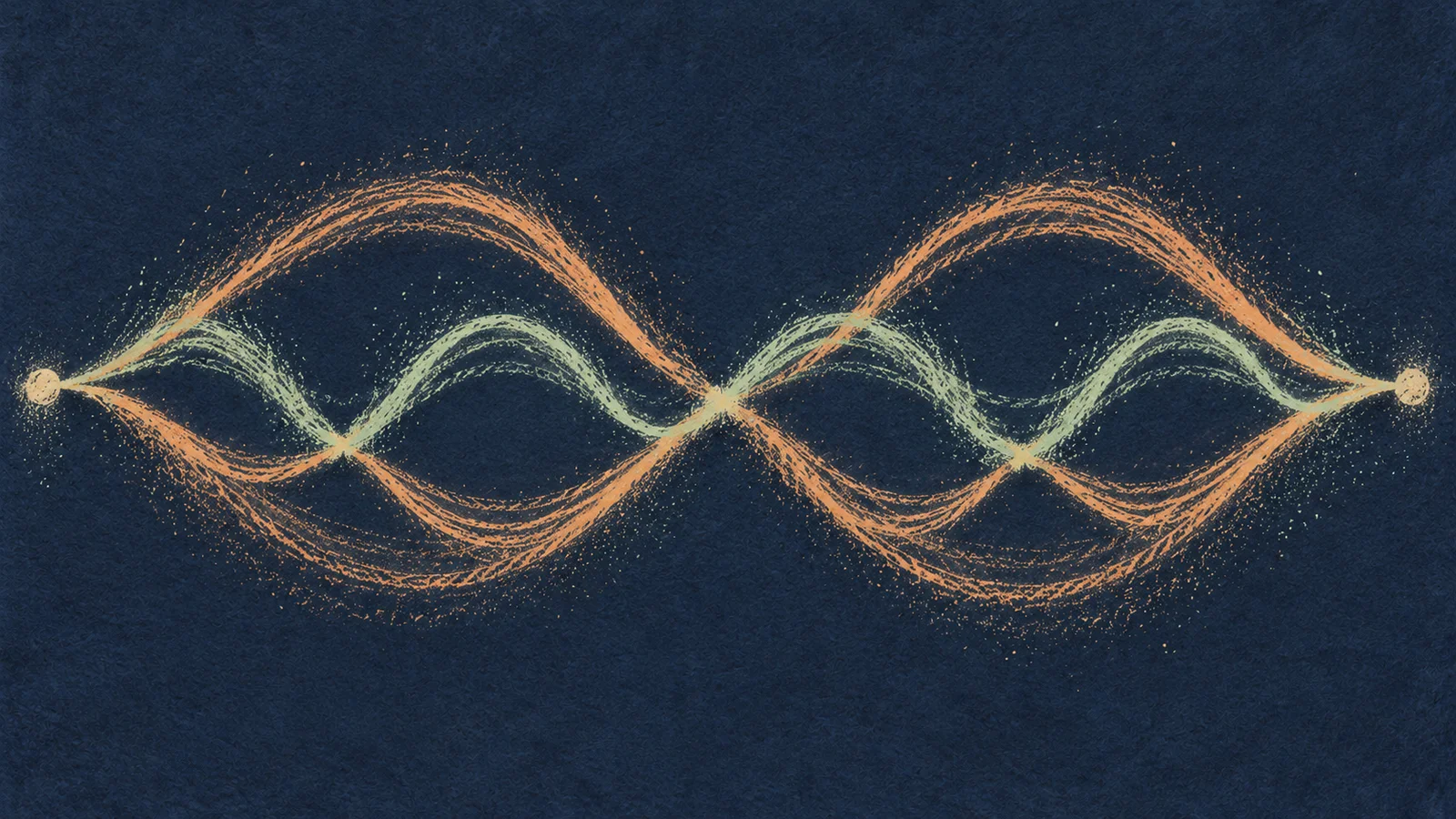
Now put a line underneath that falls while the melody rises: C, B, A, G. Suddenly there are two voices. They move in contrary motion (opposite directions), and that alone is enough to pull them apart in your ear.
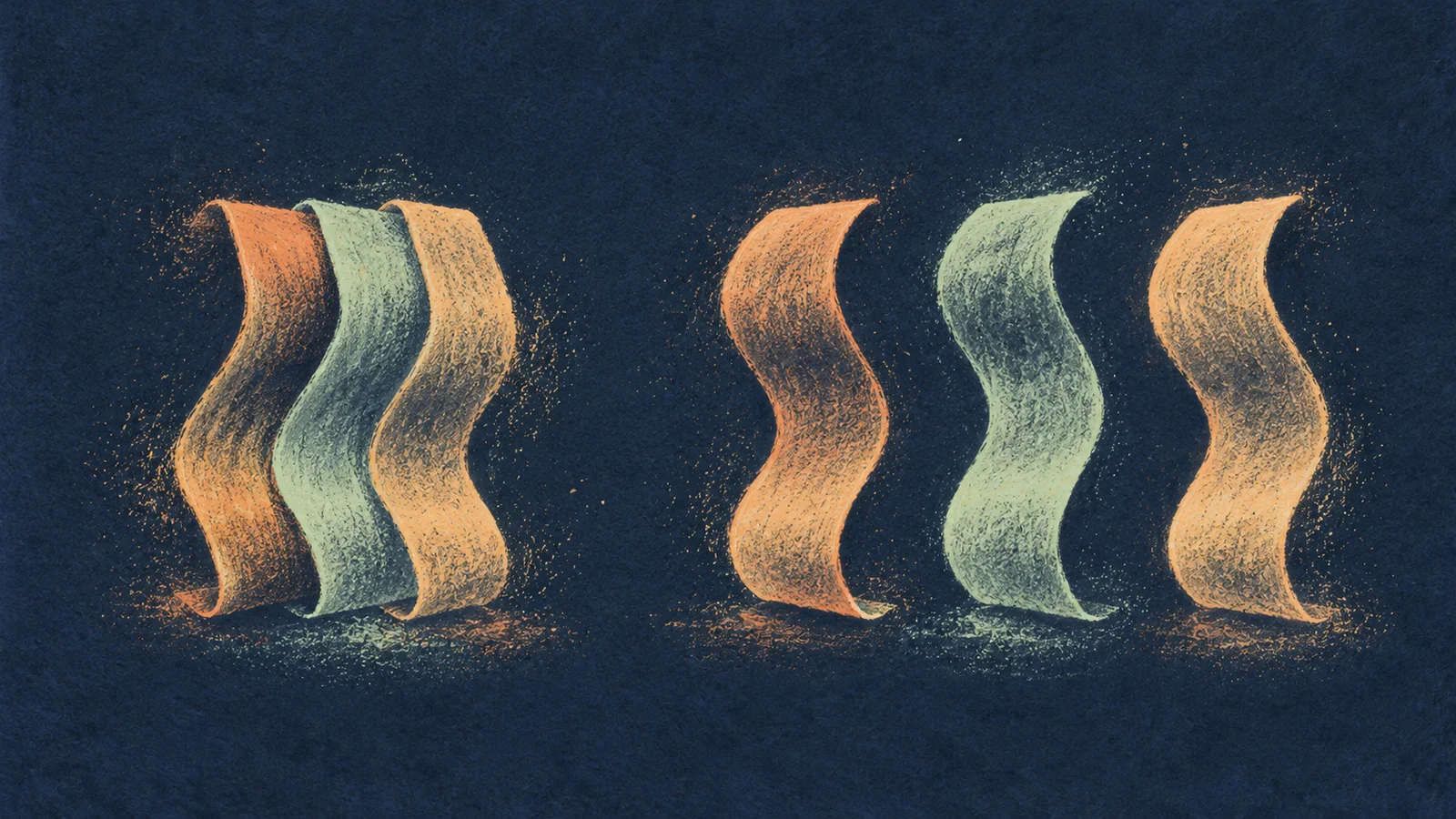
There are three kinds of motion between two parts:
- Parallel: same direction, same distance. Great for weight, as in octave doubling or a horn section in thirds.
- Contrary: opposite directions. The most independent-sounding.
- Oblique: one part holds while the other moves. Think of a pedal note under shifting chords.
Classical counterpoint famously discourages long runs of parallel octaves and fifths between voices. It isn't because they sound bad. It's because they make two voices fuse into one, and the whole point of counterpoint, as in Bach's two-part inventions, is to keep each line audible as itself.
Approach notes: the same note, different jobs
Try this in the lab: pick note 12 (the F♯ before the G bar) and move it down one to F. Now bar 3 just sits on F, and G arrives from nowhere. Put it back and the F♯ leans into G like someone stepping onto a train.
An outside note sounds intentional when it's short, near a chord change and resolves by a step. The same F♯ held for a whole bar under an F chord would sound like a clash. The note didn't change; its position and its destination did.
A famous example of a bass line carrying a song is the slow descending line in Procol Harum's "A Whiter Shade of Pale", where the bass walks steadily downward under the organ, and that falling line is half of the song's stately, melancholy mood.
The counterline: answer in the gaps
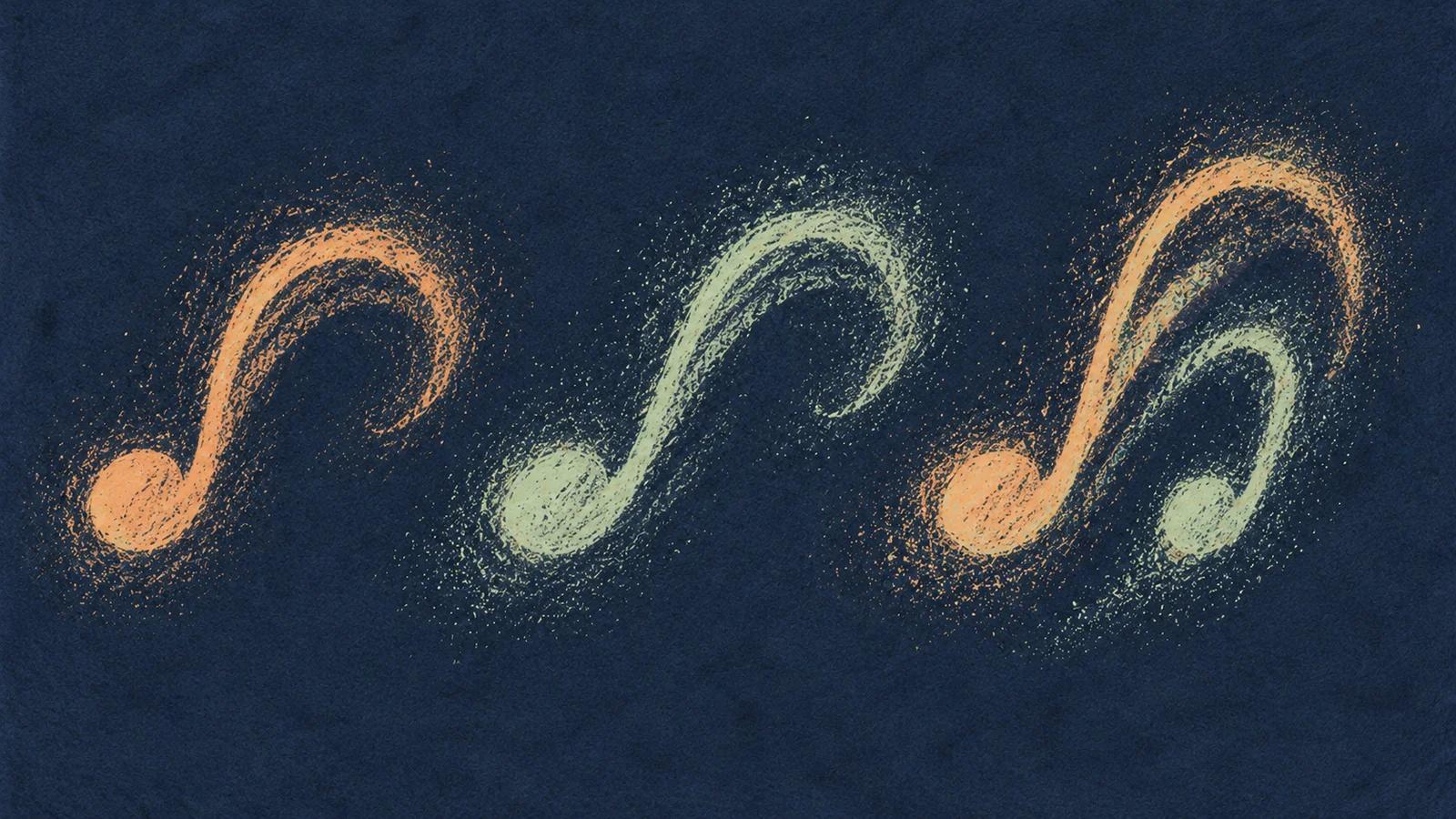
A counterline is a second melody that supports the main one. The easiest way to make one heard is to put it where the melody isn't. If the melody sings for two beats and rests for two, the counterline answers in the rest. This is call and response inside an arrangement: the vocal line, then the guitar lick, then the vocal again.
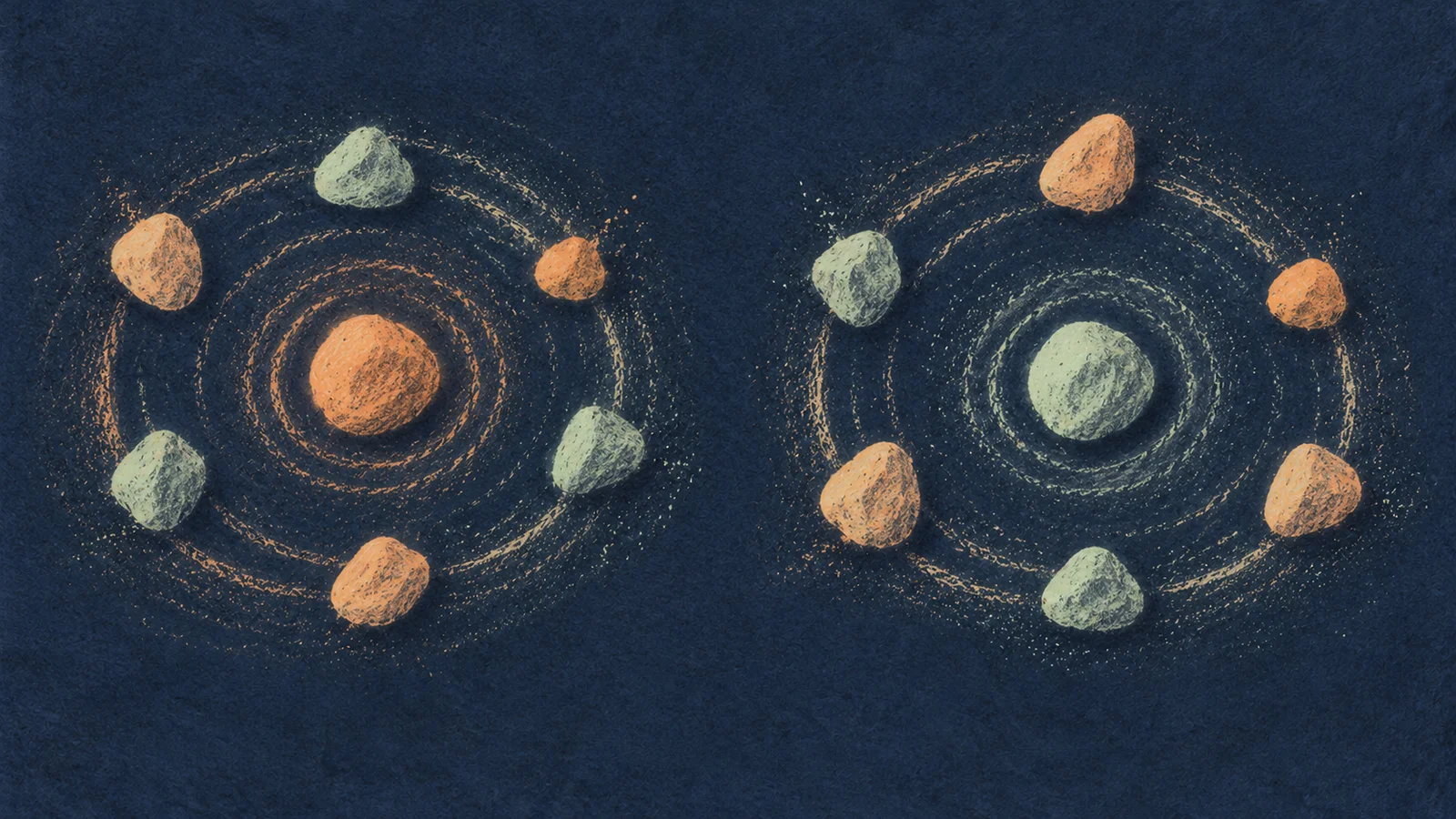
Not every tradition separates lines by contrast. In Javanese gamelan, many instruments play versions of the same core melody (the balungan) at different speeds and densities: slow, deep gongs mark the structure while faster instruments elaborate around it. The parts are related, but each lives in its own register and rhythm, which is what keeps the texture clear.
Same idea, different place: two parts in the same register and rhythm mask each other in a mix, just as they fuse in your ear. Give a counterline its own range and its own moments first, and you'll need far less EQ later. See Making room with EQ.
Where independence turns into a fight
Two busy lines can compete even when they move in opposite directions. Decide which part leads each moment and thin out the other. A bass that avoids roots everywhere can blur the harmony you meant to state, so land on the root at the important arrivals and wander between them. And watch the gap between parts: a counterline floating two octaves above everything can feel disconnected rather than independent.
Make it yours
Write a two-bar melody with at least one rest in it. Under it, write a bass that hits the root at the start of each chord and uses one approach note into each change. Then add a short counterline that answers in the melody's rest.
Play it with the counterline, then without. If the arrangement feels emptier without it but not busier with it, you've placed it well. Keep the three lines as separate parts so you can rearrange them later.
Quick check
- You double a melody an octave lower. Have you written an independent second line? Not really. Identical rhythm and contour make the two parts fuse into one thicker line. Different notes alone don't create independence; different motion and timing do.
- Bar 1 of a bass line ends on B, and the next chord is Am. Why does the B help? It steps down into A, so the line points at the next chord before it arrives. Replace it with the root C and the line just restates the current chord, so the change to A feels like a jump.
- The bass and counterline are both busy and the mix feels crowded. What do you try before EQ? Remove notes from the supporting part, or move its fills into gaps in the melody. If the parts stop competing for the same moments, you may not need EQ at all.
Next steps
- Go deeper: Form and arrangement. You've got melody, chords and bass. How do you turn eight good bars into a piece that goes somewhere?
- Sideways: Music as data. A chord symbol or a note count throws away exactly the independence you just created.